News
SANTACO affiliate launches 10 BYD e‑hailing cars in Sandton pilot
SAMTEA, an affiliate of SANTACO, launched a 10‑vehicle BYD Dolphin Surf e‑hailing pilot in Sandton during October Transport Month to test charging, finance and operator impacts.
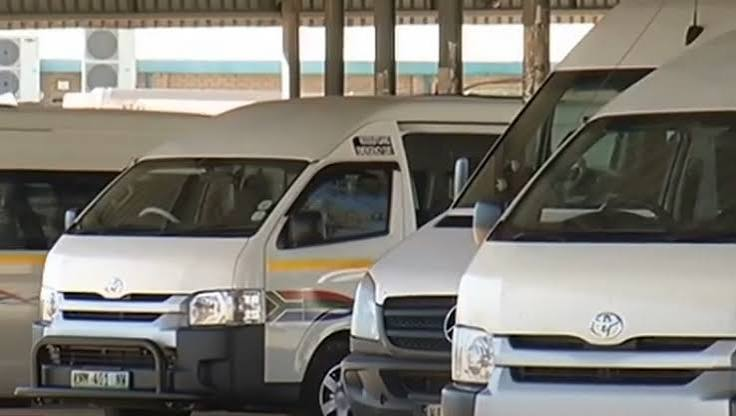
New pilot aims to test whether electric cars can work for South Africa’s e‑hailing and taxi sectors
The South African Meter Taxi and E‑Hailing Association (SAMTEA), an affiliate of the South African National Taxi Council (SANTACO), has launched a pilot fleet of 10 BYD Dolphin Surf electric vehicles for e‑hailing in Sandton during October Transport Month. The initiative was announced at a launch event in October and brings together industry partners BYD, C‑Track and Bolt.
Why the pilot matters now
Leaders framed the rollout as a response to cost pressures and a step toward exploring alternatives to conventional petrol‑powered vehicles. SANTACO’s national spokesperson, Mmatshikhidi Rebecca Phala, said the launch aligns with Transport Month priorities of building a safe, sustainable, reliable and affordable transport system and tied the timing to recent fuel price increases and rising commuter spend.
“This happens at a time [when] people are panicking because the fuel prices keep going up,”
Organisers described the pilot as an opening to innovation in the evolving e‑hailing landscape rather than an immediate industry‑wide change. The project focuses on a modest, measurable introduction of electrified vehicles into everyday passenger services.
What the pilot will test
SAMTEA and SANTACO set out specific practical questions the pilot must answer before any wider rollout is considered. SAMTEA advocate Nobuhle Mazolo said the initiative will probe key operational and commercial variables:
- whether operators can finance electric vehicles affordably;
- reliable access to charging and charging infrastructure;
- maintenance and after‑sales support costs and systems;
- the effect on operator livelihoods and daily earnings;
- service accessibility for passengers.
“If you cannot answer these questions, electrification remains a showcase rather than a solution,”
Mazolo underlined that the pilot is intended as a starting point to build operational evidence rather than as proof that the whole taxi industry will switch to electric vehicles immediately. She described the launch as the beginning of a process to assemble partnerships, financing models and the commercial discipline needed for broader change.
Infrastructure and collaboration
SANTACO president Abnar Tsebe indicated the organisation will pursue practical charging solutions linked to the taxi ecosystem. Plans include investigating charging options at local taxi ranks, depots and other suitable facilities so that vehicles can be reliably used in day‑to‑day service.
Speakers at the event called for industry participation across the electric vehicle value chain from financing and ownership models to maintenance, charging technology and skills transfer. They emphasised collaboration between operators, industry partners and government to create an enabling operating environment.
Promises and practical tests
Event organisers identified a number of minimum requirements for a viable transition to electric vehicles in the public transport sector: affordable and realistic financing; dependable charging access and battery support; clear after‑sales maintenance; safety and fleet management; and opportunities for skills development and local enterprise participation.
Those leading the pilot also warned against treating the launch as a symbolic moment alone. Instead, they called for measurable results including cost per kilometre, vehicle reliability, charging availability, driver earnings and the creation of local business opportunities to judge whether electrification can deliver real benefits.
“We are not announcing that transition as accomplished today; we are beginning to build the evidence of partnerships and commercial discipline that can make this possible,”
What comes next
The pilot will run in the e‑hailing environment in Sandton and will be monitored for the issues set out by organisers. Industry partners named at the launch include BYD, C‑Track and Bolt, who will support different technical and commercial elements of the trial.
How the pilot performs on financing, charging reliability, maintenance costs and operator earnings will determine whether similar models can be scaled or adapted for other parts of the taxi and minibus industry.
Broader context (general)
Introducing electric vehicles into public transport requires coordinated planning across energy, infrastructure and finance. Charging networks, predictable electricity supply, after‑sales support and appropriate financing models are common prerequisites for any large‑scale EV adoption. Pilots like this are often used to test assumptions, refine partnerships and gather operational data before wider rollout decisions are made.
The SAMTEA pilot in Sandton represents an early step by taxi industry representatives to explore those prerequisites. The outcome will be watched closely by operators, partners and regulators as the sector weighs practical options for cleaner, more affordable passenger transport.
Follow Joburg ETC on Facebook, Twitter, TikTok and Instagram
For more News in Johannesburg, visit joburgetc.com
Source: citizen.co.za