News
Trump ordered to testify by December 11 in $10bn BBC defamation case
A Miami judge ordered Donald Trump to give a sworn deposition by Dec 11 in his $10bn defamation suit against the BBC or face sanctions, including dismissal.
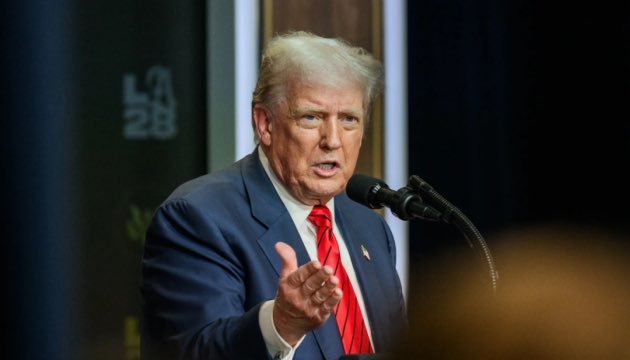
What the court ordered
Judge Enjolique Lett issued the order on Thursday in response to the BBC’s motion that the former agreed deposition date was abandoned. The court warned that, if Mr Trump does not participate in the deposition by December 11, he risks sanctions including dismissal of his lawsuit.
The lawsuit, filed in December 2025, seeks at least $5 billion on each of two counts, a total claim commonly reported as $10 billion. The suit accuses the broadcaster of deceptively editing its documentary Trump: A Second Chance to make it appear that Mr Trump was inciting violence when he told supporters to march on the U.S. Capitol on January 6, 2021, after losing the presidential election.
Background of the dispute
The suit centres on how a segment of the documentary presented Mr Trump’s remarks about returning to the Capitol. The record in court notes that the crowd that day subsequently stormed Congress in an attempt to stop the formal certification of Democrat Joe Biden’s victory.
The BBC has publicly apologised for the incident, and the matter prompted the resignation of multiple senior executives at the broadcaster. Despite that apology, the BBC’s legal position in the current litigation is that it has not caused Mr Trump any compensable harm and it has moved to have the case dismissed.
Courtroom exchanges and positions
At a hearing, BBC lawyer Charles Tobin told the court that Mr Trump had offered no legitimate reason for failing to attend the previously scheduled deposition. Tobin also said that on October 16 the former president had been campaigning and was only “participating in party politics.”
“No plaintiff is above the law,” Tobin said.
In contrast, Mr Trump’s legal team told the court in a filing on Wednesday that they were not seeking to avoid a deposition but were constrained by “matters of national importance.” The filing said Mr Trump would be available to give a deposition between January 11 and January 22.
What a deposition means and why it matters
Depositions are a routine part of civil litigation. Under oath, a witness answers questions by lawyers for both sides; the testimony can be used at trial and in dispositive motions. Refusal to comply with a court-ordered deposition can expose a party to a range of sanctions designed to preserve the integrity of the judicial process.
In this case, the court explicitly warned that failure to appear could lead to severe consequences, with dismissal identified by the judge as a possible outcome. That consequence would effectively end the lawsuit if imposed.
Political and legal context
The case arrives against a backdrop in which Mr Trump has frequently clashed with news organisations. The source material notes that attacks on the media have been a signature feature of his two presidential terms, including insults toward reporters and efforts to restrict outlets from White House access when they published critical reports.
It also reports that the administration was recently engaged in a legal dispute with CNN, MSNOW and Politico over attempts to bar them from the White House. The broader political environment referenced in court filings and press accounts includes polling showing Mr Trump’s approval ratings in the low 30 percent range and projections that his Republican Party was likely to lose control of the House of Representatives in the November 3 midterm elections.
Possible next steps
If Mr Trump appears for the deposition by the December 11 deadline, the testimony could narrow issues in the case or influence the court’s ruling on the BBC’s motion to dismiss. If he does not appear, the court may consider sanctions; the judge named dismissal as one such potential sanction, but courts have a range of tools they may deploy in response to discovery violations.
Either outcome testimony in December or a refusal that triggers sanctions will shape the litigation’s trajectory and could affect the parties’ courtroom strategies going forward.
Why this matters locally and nationally
Beyond the legal mechanics, the dispute has public and political significance. The case highlights how media organisations, political figures and courts interact when allegations of inaccurate or deceptive reporting intersect with high-stakes reputational claims. For readers, the order signals that federal courts will press for compliance with procedural rules even in politically charged lawsuits brought by prominent public figures.
Observers should expect the court’s December 11 deadline and any subsequent rulings to determine whether the case proceeds to further discovery or is curtailed by sanctions.
Follow Joburg ETC on Facebook, Twitter, TikTok and Instagram
For more News in Johannesburg, visit joburgetc.com
Source: iol.co.za