News
SANTACO says no immediate taxi fare hikes after temporary fuel levy relief
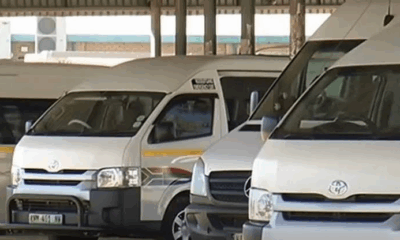
SANTACO welcomed temporary fuel levy cuts and assured commuters there will be no immediate fuel-related taxi fare hikes as stakeholders press for long-term solutions.
What the government announced
Finance Minister Enoch Godongwana outlined a two-phase, short-term package of levy reductions intended to ease pressure on households and businesses. The measures are set out as follows:
- From 4 November 2026 until 1 December 2026: the fuel levy will be reduced by R3 per litre for diesel and R1.50 per litre for petrol.
- From 1 December 2026 until 5 January 2027: the relief continues at a lower level, with the diesel levy reduced by R1.50 per litre and the petrol levy by R1 per litre.
Godongwana said the package would provide R10 billion in support and that the amount represents foregone revenue with the same R10 billion transferred to the Central Energy Fund and then returned to the National Revenue Fund to be placed in the Contingency Reserve.
“To provide temporary relief, the fuel levy will be reduced by R3 per litre for diesel and R1.50 per litre for petrol from November 4, 2026 up until December 1, 2026.”
“The diesel levy will be reduced by R1.50 per litre and the petrol levy by R1 per litre.”
“This intervention will help ease cost of living pressures without compromising the sustainability of the budget.”
SANTACO’s response and the industry position
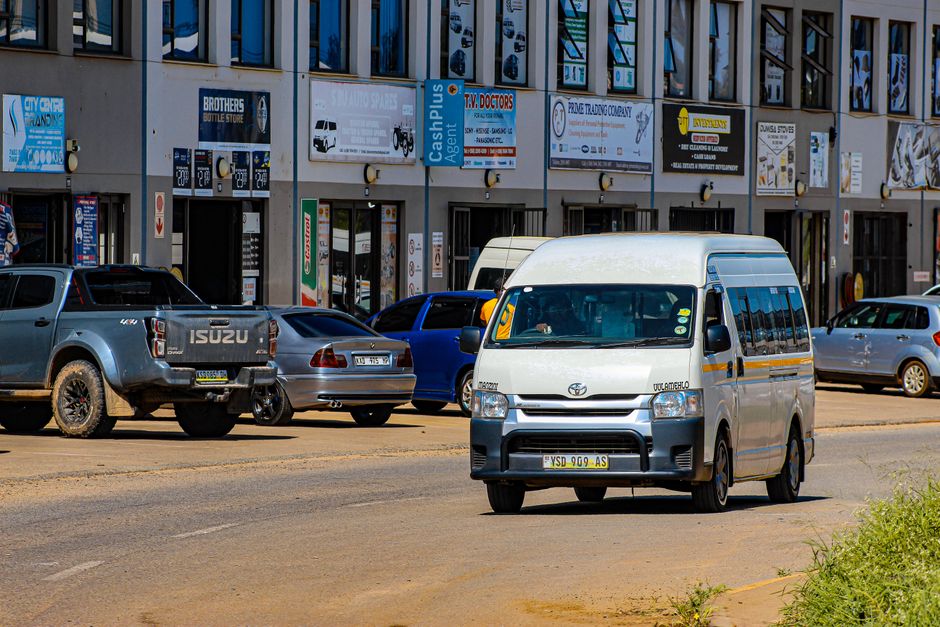
SANTACO national spokesperson Rebecca Phala described the announcement as a welcome step toward reducing financial strain on the transport sector and commuters. The council made clear that no immediate fuel-related fare increases would be implemented while discussions with government continue.
“The taxi industry remains particularly vulnerable to rising fuel prices, given the significant role fuel plays in daily operating costs and the provision of affordable public transport to millions of commuters.”
Phala emphasised the council’s dual concern: protecting commuters from higher costs while ensuring taxi operators can maintain reliable services. She also warned that the temporary measures do not resolve underlying cost pressures within the industry and called for further engagement to develop sustainable protections against fuel volatility.
“SANTACO recognises the importance of protecting commuters from additional financial strain while ensuring that taxi operators can continue providing reliable and accessible public transport services.”
Phala noted the scheduled conclusion of the relief on 5 January 2027 as a reason to pursue longer-term solutions through continued dialogue with government departments and other stakeholders.
Leadership urges responsible communication
SANTACO president Motlhabane Abnar Tsebe urged industry bodies to communicate responsibly with operators and passengers while negotiations proceed.
“SANTACO remains committed to constructive dialogue with the government in pursuit of practical, sustainable solutions that protect the interests of both taxi operators and the travelling public.”
Responses from other industry groups
The announcement drew responses from other transport and labour stakeholders who framed the relief as timely ahead of the year-end period.
The South African Petroleum Retailers Association (SAPRA) welcomed the measure, saying it provided support for motorists, households and businesses as people plan for the festive season. SAPRA highlighted that lower fuel costs could ease transport expenses and help businesses during a busy year-end.
“The timing is especially welcome as families prepare for holiday travel and businesses plan for the busy year-end period. Against a backdrop of elevated global oil prices linked to conflict in the Middle East, government intervention will help ease pressure on household and business budgets.”
SAPRA also framed the relief as having economy-wide benefits by reducing costs for transport and supply chains and encouraged consumers to note the step-down and end dates when planning their budgets.
“SAPRA welcomes this relief for consumers across South Africa, especially as the festive season approaches”
The Motor Industry Staff Association (MISA) described the relief as a win for workers and organised labour, saying it reflected the influence of collective demands for action on living costs. MISA said it had earlier warned about the strain of transport and electricity costs on workers’ incomes and intensified calls for relief when petrol prices surpassed R30 a litre.
“It is proof that when workers speak through a strong and independent union, the government is compelled to listen.”
What this means for commuters and the taxi industry
For commuters, the immediate implication is stability: SANTACO’s public assurance means there should be no fuel-driven fare increases while negotiations are under way. For taxi operators, the temporary levy reductions offer short-term breathing room but do not change the council’s long-term concerns about structural cost pressures.
Public transport sectors that depend heavily on diesel and petrol are sensitive to even short-term changes in fuel costs. While temporary fiscal relief can ease operating expenses briefly, industry representatives have stressed that sustained volatility requires policy and sector-level responses developed through multi-stakeholder engagement.
SANTACO has said it will continue to engage government departments and other stakeholders to explore measures that support the taxi industry’s sustainability. Other industry groups will likely monitor how the relief is implemented at the pump and how the phased step-down is managed through December into early January.
For now, commuters can expect no immediate fuel-related fare hikes from the taxi industry while the announced levy reductions are in effect and discussions continue.
Follow Joburg ETC on Facebook, Twitter, TikTok and Instagram
For more News in Johannesburg, visit joburgetc.com
Source: iol.co.za