News
Thembisile Hani denies links to Tshwane’s contaminated treatment plant
Thembisile Hani says it does not receive bulk water from the E. coli‑tainted Bronkhorstspruit plant, but employees and residents report otherwise as investigations proceed.
Who says what: municipality, employees and residents
Thembisile Hani issued a statement saying it was not affected because it no longer receives water from the Bronkhorstspruit plant and that it “continues to supply water from Rand Water, the Bundu waste water treatment plant and internal borehole schemes.” Municipal manager Dumisani Mahlangu told media the municipality learned of the water quality problems through Tshwane media alerts and that “since 10 October last year, the City of Tshwane had not supplied water to the municipality.”
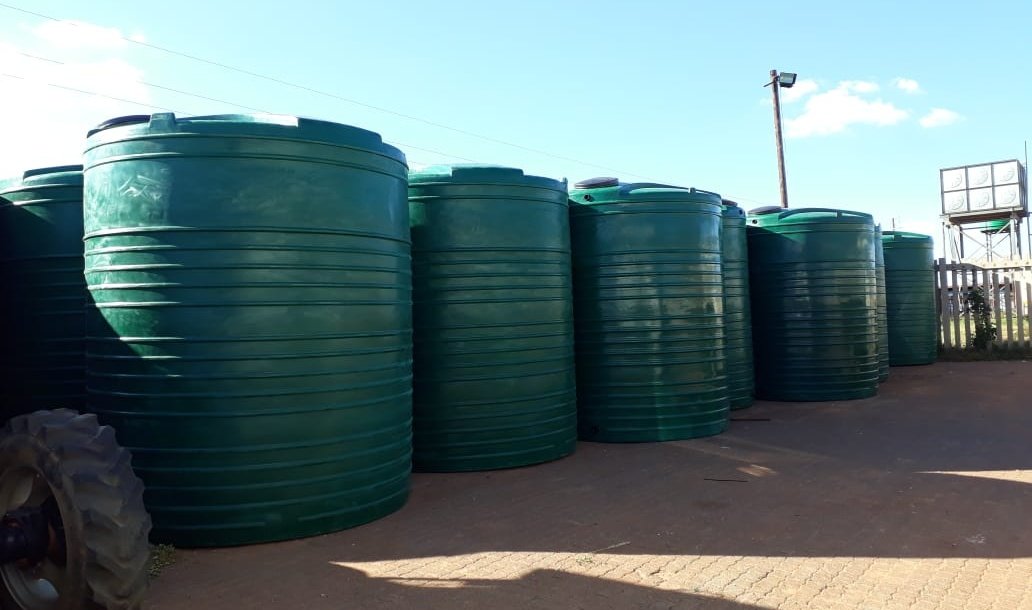
That position conflicts with accounts from municipal employees and residents. A water department technician said bulk water from Bronkhorstspruit was piped to the Thembalethu reservoir tower before distribution to households. Thembisile Hani was also listed among the areas affected by the breakdown of the plant, according to reporting on the incident.
Residents report illness and uncertainty
Residents interviewed described recurring gastrointestinal illness in some households and questioned official statements. One resident said his household experienced diarrhoea last week and asked what was making them sick if not contaminated water. Another resident said he would accept termination of the bulk supply only if it was confirmed by Tshwane.
What happened at Bronkhorstspruit
The City of Tshwane advised that water supplied by the Bronkhorstspruit wastewater treatment plant was unsafe to drink and must be used only for flushing toilets while the advisory remained in place. Between 7 and 18 October, 408 cases of gastrointestinal illness were reported among residents of Zithobeni, Bronkhorstspruit, Dark City, Rethabiseng and Sokhulumi, mostly affecting children, after drinking water supplied by the plant.
Tshwane has admitted it did not chlorinate water from the plant between 24 September and 14 October, a lapse the metro says followed an unresolved issue with a chlorine supplier. The city warned residents not to use the affected tap water to cook, prepare baby food, wash hands, brush teeth, bathe, or wash fruit and vegetables, and it said boiling the tap water at home would not make it safe.
Emergency measures and testing
To reduce immediate harm, Tshwane arranged alternative drinking water from the Cullinan water treatment works and provided water tankers to affected communities. The metro said tankers were tested for safety and that they would supply at least 15 litres per person per day while the advisory remained in place.
Tshwane listed several areas under the advisory, including Zithobeni, Rethabiseng, Ekandustria, Ekangala, Dark City and communities that receive water through the cross‑border supply to Thembisile Hani.
Health services report only minor increases
Nurses at three clinics in Thembisile Hani reported a slight uptick in gastrointestinal cases but described the rise as not alarming and not uncommon in the area. As one nurse in Moloto put it:
“There has been a slight increase in cases in the past three months but nothing concerning as such cases are common in this area and the number do fluctuate. We definitely do see a high number of cases after heavy rain.”
Official inquiries and political responses
The Tshwane mayor, Nasiphi Moya, has ordered an investigation into the failures that left residents exposed to contaminated water. The investigation will look into how the interruption of chlorine supplies occurred, why residents were not warned sooner that drinking water was unsafe, and whether procurement, operational and management failures contributed to the crisis. Tshwane said it would cooperate with an independent probe by the Water Research Commission.
Political parties have reacted: the EFF treasurer‑general and Tshwane mayoral candidate Omphile Maotwe lodged a complaint with the public protector asking for an investigation into the chlorine failure. The DA opened a criminal case at Pretoria central police station and called on the mayor to release full water quality test results and explain why residents were not warned timeously.
Why the dispute matters
At its core, the dispute is about where residents draw their drinking water from and who is responsible for ensuring that supply is safe. Thembisile Hani faces a long‑running water crisis and has previously accused Tshwane of failing to meet contractual bulk‑water obligations. Recent reporting noted that Tshwane had been required to supply a specific daily volume but was delivering significantly less; the shortage was attributed by Tshwane spokespeople to Bronkhorstspruit operating below capacity and frequent breakdowns.
Clear communication and reliable testing are central to public confidence during a water‑quality crisis. Regular water testing is a recognised water‑quality principle; Thembisile Hani said it conducts monthly testing consistent with South African National Standards (SANS 241) on its supply schemes.
Public health context (general)
In general terms, contamination with E. coli is associated with gastrointestinal illness and requires immediate measures to protect public health, including stopping consumption of affected water, providing safe alternative drinking water, and identifying the source and route of contamination. Investigations commonly examine operational lapses, supply chain problems for treatment chemicals, and communication failures so that corrective steps can be taken.
What’s next
The immediate priorities named by Tshwane are restoring proper chlorination, ensuring safe drinking supplies, testing tankered water, and completing the inquiry into procurement and operational decisions. For Thembisile Hani residents some of whom report ongoing stomach illness and uncertainty over their water source confirmation from Tshwane about bulk‑water links would provide clarity; Tshwane did not respond to a request to confirm whether it was supplying Thembisile Hani at the time of reporting.
The situation remains fluid and will be followed as investigations proceed and test results become available.
Follow Joburg ETC on Facebook, Twitter, TikTok and Instagram
For more News in Johannesburg, visit joburgetc.com
Source: citizen.co.za