
News
R1.7m grocery deal costs Presidency its clean audit
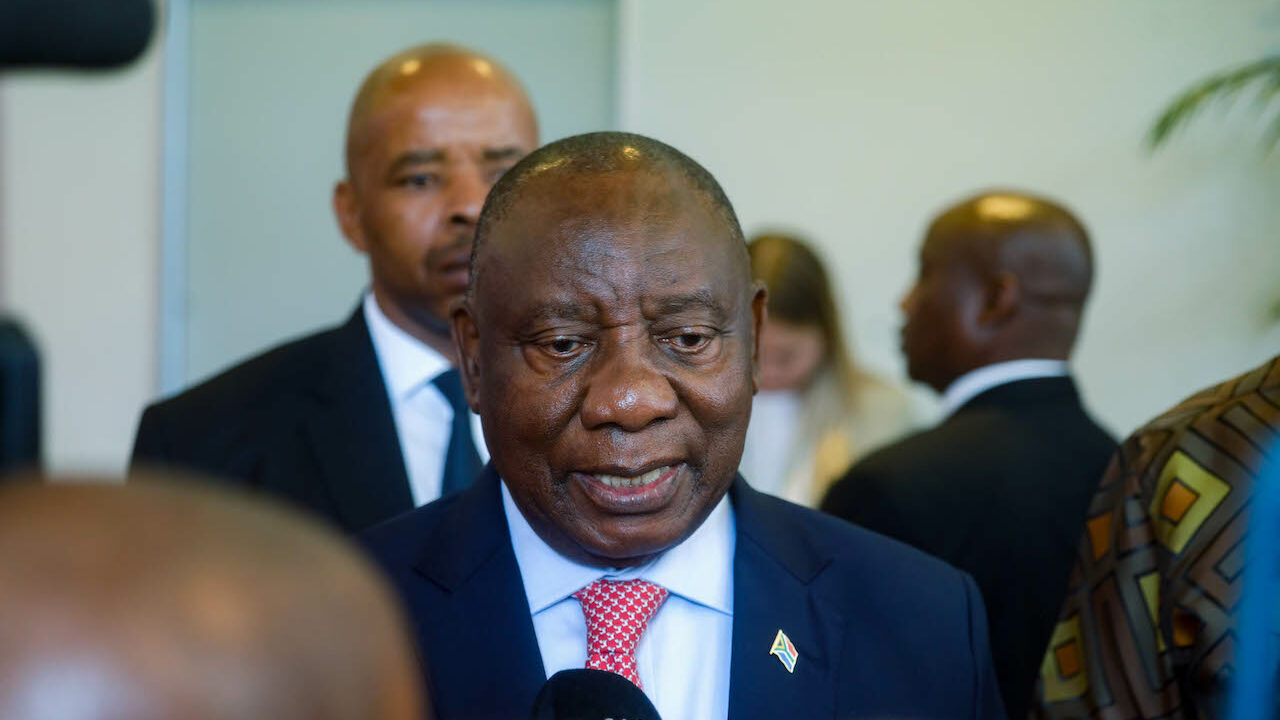
The South African Presidency has lost its clean audit status after the Auditor-General flagged R1.7 million in grocery purchases that did not follow the required procurement process.
The finding marks a setback for an institution that had maintained clean audit outcomes in recent years. It also raises questions about whether existing financial controls are doing enough to prevent the same mistakes from happening again.
The issue was discussed when the Presidency presented its 2025/26 annual report to Parliament’s Committee on the Presidency in October. According to reporting by Briefly News, the Auditor-General of South Africa (AGSA) identified R1.712 million in irregular expenditure linked to the purchases.
Why the Presidency lost its clean audit
The groceries were procured using simplified written quotations rather than an open, public tender process.
The AGSA found that the amount exceeded the R1 million threshold for this procurement method, meaning a public tender was required. The failure to follow the correct process contributed to the Presidency receiving an unqualified audit opinion with findings instead of a clean audit.
In its assessment, the auditor also raised concerns about the measures in place to prevent irregular spending from recurring.
The finding was not limited to the grocery purchases. A supplier appointed to a panel had also failed mandatory evaluation requirements and should have been excluded at the first stage of the assessment.
That supplier was not allocated any work during the 2025/26 financial year, so the appointment did not result in irregular expenditure during the period. However, the AGSA warned that allocating work to the supplier in future could lead to further irregular expenditure.
The distinction is important: the audit identified a procurement control failure, but it did not establish that the supplier had been paid for work it had not performed.
What the Presidency said about the spending
Presidency Chief Operating Officer Rory Gallocher addressed the findings during the parliamentary engagement, according to Briefly News.
The R1.712 million recorded in irregular expenditure was lower than the R1.948 million reported in the previous financial year. Gallocher also pointed to a longer-term decline from the R23 million recorded in 2021/22.
The Presidency reported no new unauthorised expenditure for 2025/26. However, overspending of R39.9 million from the previous financial year remained subject to parliamentary regularisation.
The department also recorded R41 000 in fruitless and wasteful expenditure, reportedly linked to unused travel and accommodation bookings. Its cumulative irregular expenditure register stood at R12.025 million, according to the same report.
The figures cover different categories of financial non-compliance. Irregular expenditure relates to spending that does not comply with the required rules or procedures, while unauthorised expenditure generally involves spending beyond the amount or purpose approved by Parliament.
Financial pressures remain a concern
The audit findings come alongside concerns about the Presidency’s financial position.
The meeting report cited a year-end bank overdraft of about R39 million, which contributed to the department’s net current liability and overall net liability positions. The AGSA described the financial health assessment as concerning, although it identified no uncertainty over the Presidency’s ability to continue operating as a going concern.
The Presidency’s previous annual report also recorded overspending of R39.9 million in 2024/25, largely associated with unfunded mandates linked to the Ministry of Electricity and two deputy ministries. The 2024/25 annual report provides further detail on the financial pressures behind that earlier overspend.
The figures highlight the challenge of managing budgets when departments take on responsibilities that were not fully funded in their original allocations.
Calls for accountability and stronger controls
The findings have prompted calls for corrective action. The Public Servants Association, which represents employees in the Presidency, said the institution should demonstrate strong procurement compliance, transparency and accountability.
The wider issue is not simply the value of the grocery purchases, but whether procurement rules are consistently followed and whether weaknesses are corrected before they lead to further irregular spending.
The Auditor-General has repeatedly warned that public institutions need stronger internal controls and more effective action on audit findings. In its March 2026 assessment of national and provincial audit outcomes, the AGSA said only 151 of 417 auditees achieved clean audits for 2024/25, underlining the continuing accountability challenges across government.
For the Presidency, the immediate task is to address the procurement failures, strengthen oversight and prevent a repeat of the findings.
An unqualified audit opinion means the financial statements are considered fairly presented, but it is not the same as a clean audit. The latter also requires an absence of material findings relating to performance reporting and compliance with legislation.
The loss of clean audit status therefore does not, by itself, mean the Presidency’s financial statements were found to be materially misstated. It does mean the procurement shortcomings were significant enough to affect its overall audit outcome.
Follow Joburg ETC on Facebook, Twitter, TikTok and Instagram
For more News in Johannesburg, visit joburgetc.com
Picture: Sharon Seretlo / Gallo Images


