News
Tshwane deploys nine water tankers to Ekangala amid contamination crisis
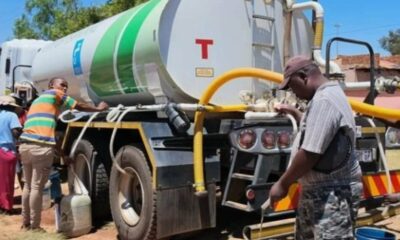
Tshwane will deploy nine water tankers to Ekangala after residents struggled to access safe water amid a contamination crisis linked to 833 illness cases.
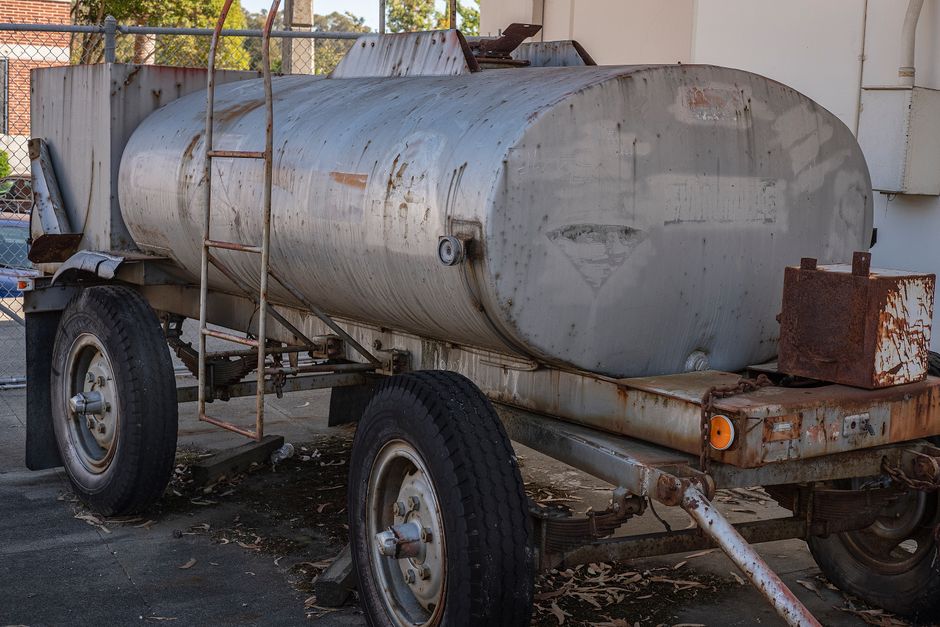
The intervention was announced by Tshwane Mayor Dr Nasiphi Moya on Monday night, following complaints that the tanker service in the area was inadequate. Residents said some households were struggling to access enough water for drinking, cooking and washing.
The health crisis has affected communities in Tshwane’s Region 7, including Zithobeni, Bronkhorstspruit, Dark City, Rethabiseng and Sokhulumi. Three residents remain in hospital, while the number of reported gastrointestinal illness cases has risen from 408 to 833.
Residents struggle to access safe water
For families in Ekangala, the shortage of reliable alternative water supplies has added to the fear surrounding the contamination crisis. Residents have described long walks to tanker points, difficulty carrying water home and uncertainty over when deliveries will reach their streets.
Katlego Palesa Mojafi, from Section F, said she became ill after consuming the affected water and had sought medical attention twice. She said she first experienced stomach cramps about two weeks ago and visited the Dark City community health clinic, where she received an injection and was advised not to drink tap water.
After experiencing further symptoms, Mojafi said she visited the Ekangala clinic. She also reported symptoms that she believed were consistent with a urinary tract infection, although it has not been established whether those symptoms were linked to the contaminated water. Her grandmother also became unwell, she said.
“I am scared. But, like I said, there’s actually nothing I can do. Water is a need. We need water every day, on a daily basis,” Mojafi said.
Mojafi lives in a household of seven where nobody has a job. The family buys bottled water for drinking, but continues to use tap water for cooking because it cannot afford enough bottled water for all its needs.
She said the cost of bottled water was placing additional pressure on the family, with 10 litres not lasting eight days. She also said residents had been told not to bathe or cook with the affected water, but that buying enough bottled water for every household need was unaffordable.
Existing tanker arrangements leave residents behind
Mojafi said the existing tanker system was especially difficult for elderly, ill or less mobile residents. Deliveries did not always reach her street, she said, and residents could sometimes wait several days for supplies.
“There are water tankers, but then we are not even able to go there to collect water from the water tankers because they are not coming from street to street,” she said.
Her grandmother was too old to walk long distances, while younger members of the household were at school during the day. Mojafi said her own health problems had made the situation more difficult, leaving her feeling forced to continue using the affected water.
The challenge is not only about the availability of water at a tanker point. Residents also need to transport enough water home for daily household use. For people without vehicles, wheelbarrows or assistance, the distance between a home and a collection point can determine whether the emergency supply is practically accessible.
Portia Nkosi, from Section I in Ekangala, said her family was also living in fear. She said one of her two children had experienced diarrhoea, although she initially believed the illness had been caused by food rather than water.
Nkosi said she learnt about the crisis through social media and had not received a timely warning from authorities. She said residents had to walk a distance to collect water and then carry it home, making ordinary tasks such as washing clothes difficult.
“It’s not enough because we have to walk a distance for us to reach the water tanks. How are we supposed to do our laundry?” Nkosi said.
She said financial constraints also made it harder for residents to seek medical care and called for clean water to be provided to affected communities.
City reorganises water distribution
Moya said the city’s Water Management Committee had assessed developments affecting water supply and quality. The committee also considered concerns about the reliability and fairness of water tanker distribution in Ekangala.
Under the revised arrangements, nine tankers are scheduled to serve Ekangala, while a centralised coordination point will be established to improve route management. The city said the changes were intended to provide more consistent access to affected communities.
“In response, distribution arrangements are being reorganised, with nine tankers scheduled to serve Ekangala from tomorrow,” Moya said.
The city said Rand Water continued to lead the rehabilitation programme at the Bronkhorstspruit water treatment works. Tshwane is maintaining alternative water provision and public health monitoring while the broader response continues.
Emergency water storage tanks at clinics have been cleaned and are awaiting water quality testing before being brought into use. Cleaning of additional community storage facilities in Ekangala is scheduled to begin.
Checks planned for private tanker operators
The city said oversight of alternative water supplies had been strengthened to ensure that water distributed to affected communities met health and safety standards.
Independent private tanker operators must obtain municipal verification and authorisation before distributing water. Their vehicles must be presented at the Commando Building in Bronkhorstspruit for verification and water quality testing by the city’s environmental health practitioners.
The Tshwane Metro Police Department will conduct compliance checks to ensure that operators meet the necessary requirements. The city said the measures were intended to protect residents while allowing private-sector partners to continue supporting its emergency water provision programme.
What residents need from the intervention
The deployment of additional tankers is intended to address the immediate shortage, but residents’ accounts show that the effectiveness of the response will depend on how consistently the tankers reach neighbourhoods and whether households can collect sufficient water.
Reliable route management, accessible collection points and clear public health communication are particularly important during a contamination crisis. Residents need to know where water is available, when deliveries will arrive and whether the water has passed the required safety checks.
For families already dealing with illness, unemployment and the cost of bottled water, access to a tanker is not enough if the collection point is too far away or supplies run out before everyone has been served. The city’s revised distribution system will therefore be closely watched by communities across Ekangala as the response continues.
Follow Joburg ETC on Facebook, Twitter, TikTok and Instagram
For more News in Johannesburg, visit joburgetc.com
Source: iol.co.za