Opinion
Reconsidering the Claims of a ‘Sell-Out’ in South Africa’s 1994 Settlement
A closer look at the 1994 settlement reveals strategic choices, not betrayal, shaped South Africa’s peaceful transition. The real failure may lie elsewhere.
Historical Context Behind the Negotiated Settlement
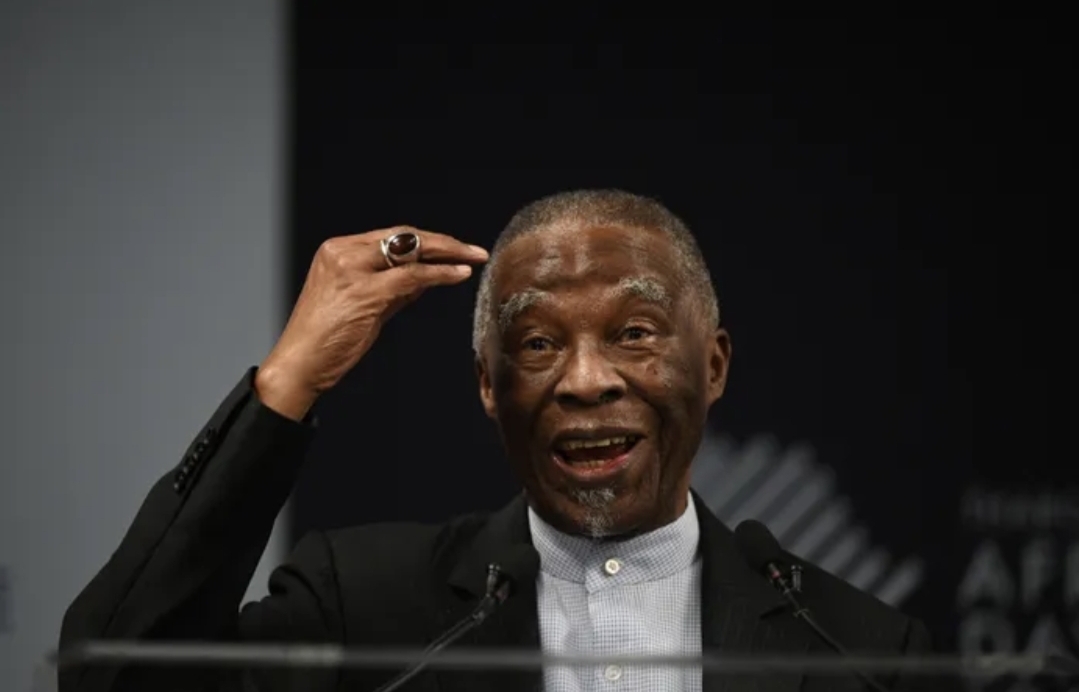
The narrative that Nelson Mandela, Thabo Mbeki, and their contemporaries sold out the revolution at Codesa has resurfaced amid renewed interest in the Khampepe Commission and South Africa’s ongoing reconciliation debates. This view, while emotionally resonant for some, overlooks foundational historical and geopolitical realities that shaped the nation’s transition in 1994.
The Limits Imposed by Global Shifts
Prior to the transformative talks at Kempton Park, the ANC’s main international supportersChina and the Soviet Unionhad already shifted towards engagement with global capitalism. China, under Deng Xiaoping, initiated sweeping reforms aimed at preventing economic collapse, while the Soviet Union, under Mikhail Gorbachev, introduced policies like Perestroika that signaled retreat from international interventions and proxy conflicts.
These developments left the ANC and other liberation movements in a weakened material position. Without ongoing support from erstwhile superpowers, the means to wage a prolonged or more confrontational struggle in South Africa sharply diminished. The decisions made in Beijing and Moscow were fundamentally about survival in a changing world orderand any prudent movement would need to adapt accordingly.
Domestic Realities: Power Balance and Security Risk
Within South Africa, the liberation movement did not achieve victory through conventional military means. The apartheid regime’s security apparatus remained operational and fully armed right up to the transition. The risk of a right-wing coup was a real and persistent threat, underscoring the volatile national context in which talks unfolded.
Sudden, wholesale demands for justice or retribution against the former regime, in this environment, would likely have provoked widespread violence and the destruction of essential infrastructure. The establishment of the Truth and Reconciliation Commission (TRC), with its controversial policy of conditional amnesty, emerged as a pragmatic albeit painful compromisean attempt to ensure a peaceful shift without further devastation.
The Price and the Product of Compromise
Mandela, Mbeki, and their peers bore deep personal lossesincluding family members killed by the apartheid statewhile working to deliver a relatively stable transition. The outcomes contrast sharply with the experiences of other African states post-independencewhere violent conflict and institutional collapse were frequent.
- South Africa retained vital infrastructure and institutional strength.
- A constitutional democracy and a robust legal framework were established as the cornerstones of the new state.
- The path left open for future generations to leverage political power towards broader economic transformation.
“Political power is never the final destination; it is the supreme leverage point.”
Disappointment and Unrealistic Expectations
It is understandable to feel frustration over persistent inequalities and the slow pace of economic transformation since the end of apartheid. Yet, blaming Mandela, Mbeki, or the 1994 settlement for current challenges misses the core issue of statecraft. The tools for progress were handed over intact; what happened next would require long-term vision, fiscal discipline, and focused nation-building.
The Real Sell-Out: Post-Transition Choices
In recent years, public discourse has sometimes centered around the idea that South Africa should have pursued a military or economic upheaval instead of a negotiated settlement. Such alternatives would, at that moment in history, likely have led to massive infrastructure loss, financial collapse, and international isolation, the effects of which are visible in other post-conflict states.
Today’s economic and political anxieties, including climbing national debt and a shrinking tax base, result largely from choices made after 1994. Some observers argue that the real misstep is the shift of focus from production and industrial growth to consumption, entitlement, and political patronage. The stewardship of what was inherited fell short, rather than the original act of compromise itself.
Looking Forward: Lessons for a New Generation
Instead of fixating on past negotiations, the crucial challenge facing South Africa lies in strengthening governance and growing economic capacity now. The narrative of betrayal often serves as a convenient diversion, enabling current leaders to blame previous generations rather than confront hard truths about post-1994 management and development.
Mandela, Mbeki, and their colleagues inherited daunting global and domestic constraints, yet avoided national collapse and set up an enduringly functional state. Their achievements were the outcome of strategic navigationnot a sell-out, but a pragmatic response to the world’s realities at the time.
History will likely view them as figures who achieved the possible against tremendous odds. The true accountability rests with each new generation’s choices: what is done with inherited power, and how South Africa’s story evolves from here.
Follow Joburg ETC on Facebook, Twitter, TikTok and Instagram
For more News in Johannesburg, visit joburgetc.com
Source: iol.co.za