News
Western Cape Authorities Unite to Restore Order Amid Taxi Violence
Authorities in the Western Cape intensify efforts to restore stability after deadly taxi shootings disrupt transport and threaten public safety.
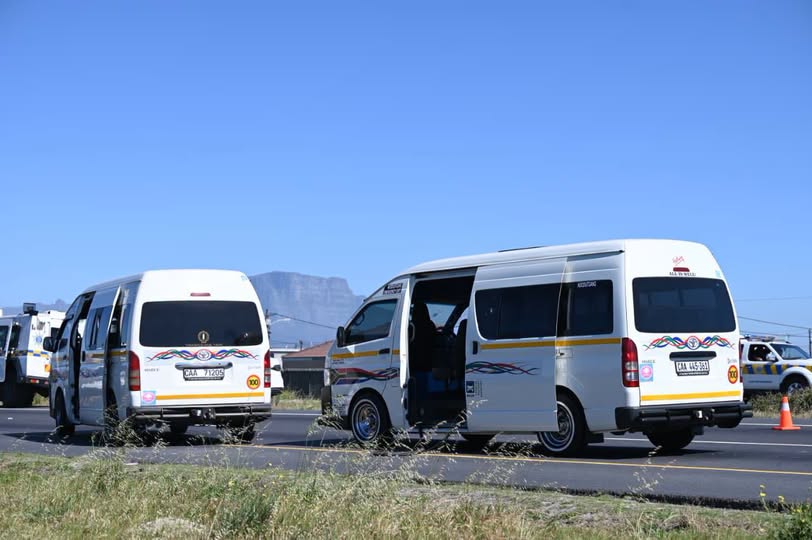
Stepped-Up Response to Taxi Violence in Western Cape
Authorities in the Western Cape are intensifying collaborative measures to end a surge of taxi-related violence that has resulted in loss of life, ongoing fear among communities, and major disruptions to public transport services. Efforts are underway to stabilise the situation through dialogue, legal intervention, and stronger law enforcement presence.
Government, City, and Taxi Leaders Meet Amid Crisis
Key stakeholders, including Western Cape Minister of Mobility Isaac Sileku and City of Cape Town MMC for Urban Mobility Councillor Rob Quintas, met with representatives from the South African National Taxi Council (Santaco) Western Cape and the Cape Organisation for the Democratic Taxi Association (Codeta). The urgent meeting aimed to address escalating violence and formulate strategies for a sustainable resolution.
The Cape Amalgamated Taxi Association (Cata) was unable to attend due to prior commitments outside the province. While authorities acknowledged the association’s apology, Sileku expressed disappointment at its absence in light of recent fatalities.
“No dispute over commercial interests could justify bloodshed, intimidation, or the disruption of essential public transport services,”
Sileku emphasised, underlining the government’s position against violence over route or operational disagreements.
Immediate Interventions and Strengthened Enforcement
- Further talks are scheduled for early November between Cata and Codeta leadership to address outstanding disputes.
- Legal measures are being pursued, including ongoing inquiries into alleged violations by taxi associations and a court application to clarify operating rights.
- The City of Cape Town has pledged to maintain heightened law enforcement in affected areas to help safeguard commuters and support regulatory processes.
- The provincial government is considering additional transport services to shield commuters from taxi service disruptions.
Premier Alan Winde expressed his distress over the violence, acknowledging its unacceptable impact and calling for unified action.
“We are appalled at this latest outbreak of violence in the taxi industry.”
The Role of Law and Peaceful Negotiation
Premier Winde underscored the need for disputes within the taxi industry to be resolved within the bounds of the law. He stated that authorities are ready to impose necessary measures if taxi sector leaders refuse to negotiate peacefully, reaffirming the indispensable role of the taxi sector in the regional public transport ecosystem. However, he reiterated that violence endangering commuters and the public is intolerable, and that decisive intervention from relevant authorities would follow.
Protecting Communities and Commuters
Minister Sileku warned that residents should not have to live in fear or face immobility due to taxi rivalries. He urged taxi leadership to take proactive responsibility in ending the cycle of violence and restoring stability. The well-being and safety of the public remain the government’s top priority, with emphasis on the need for peace to ensure uninterrupted transport and public confidence.
Educational Impact and Measures for Learners
The unrest’s consequences extend beyond daily commutes. Western Cape Minister of Education, Jaco Londt, voiced serious concern about the safety of learners and teachers. Of particular worry is the disruption posed to the National Senior Certificate (NSC) examinations taking place across the province.
- The Western Cape Education Department has robust contingency plans designed to tackle a range of disruptions, from strikes and weather issues to criminal activity.
- Police visibility is being increased near schools where needed, and psycho-social support is available to affected schools and learners.
Learner safety and the integrity of crucial year-end exams remain a focal point for education authorities who work closely with law enforcement to ensure smooth passage for students.
Policing Resources and Community Safety
Provincial Minister of Police Oversight and Community Safety, Anroux Marais, highlighted the strain on policing resources as officers are frequently redirected from tackling persistent gang activity to responding to taxi sector disputes. Marais called for an unequivocal end to violence, demanding accountability for perpetrators and assuring commuters that their safety would not be compromised.
Looking Ahead: Government and Community Action
While immediate efforts focus on stemming violence and restoring order, authorities continue to engage with all relevant parties to facilitate peaceful resolutions to underlying disputes. The provincial government’s collective interventions aim to protect lives, restore public confidence in transport systems, and minimise broader economic disruption caused by ongoing conflict within the taxi sector.
The Western Cape’s approach reflects a determination to prioritise safety, lawfulness, and collaboration between government, law enforcement, and the taxi industry, with lasting solutions depending on ongoing dialogue and responsible leadership from all parties involved.
Follow Joburg ETC on Facebook, Twitter, TikTok and Instagram
For more News in Johannesburg, visit joburgetc.com
Source: citizen.co.za