News
Patriotic Alliance Gains Ground as DA Holds Strong in Western Cape Election
The DA is set to tighten its grip on the Western Cape, while the Patriotic Alliance closes in on the ANC, according to early municipal election results.
Early Results Reveal Shifting Political Landscape in the Western Cape
Preliminary results from the Western Cape’s municipal elections show the Democratic Alliance (DA) solidifying its position, while the Patriotic Alliance (PA) is making significant gains at the expense of the African National Congress (ANC). With 32% of voting districts counted by Thursday morning, the DA held a commanding 56.51% share of the provincial vote, placing it well ahead of its competitors as reported from the IEC’s results centre in the province.
DA Strengthens Its Hold
The DA’s lead reflects ongoing support across the province, maintaining control of one council out of 25 and emerging as the largest party in two out of four so far unresolved (or “hung”) councils. Out of 75 seats secured by the DA so far, 65 are ward seats. These early figures position the DA to potentially surpass its previous performance in local governance, continuing the stronghold it has maintained since the ANC last governed the Western Cape in 2009.
ANC Faces Growing Competition from the Patriotic Alliance
The ANC’s support appears to be in decline, registering just 11.67% of votes and falling behind the PA, which is close on its heels with 10.79% support. The PA’s momentum is noteworthy, especially considering its modest resultabout 1%in the 2021 local elections. In this cycle, the PA is not only matching the ANC’s performance but, in some areas, outpacing it. The PA has already claimed the most seats in one of the hung councils and holds 16 seats across the Western Cape, compared to the ANC’s 19. Notably, the ANC was not leading in any council at this stage of counting.
Coalition Dynamics Could Shift Governance
The rising profile of the PA adds complexity to the coming coalition talks. The party, led by Gayton McKenzie, sits alongside the DA and ANC within the Government of National Unity (GNU) and could play a pivotal role where councils lack outright majorities. Coalition governments have become a regular feature in many South African municipalities, especially where no single party secures an absolute majority. Such arrangements typically involve complex negotiations, as parties vie for influence over key positions and policy agendas.
Contests Between DA and PA Impact Results
Competition between the DA and the PA has intensified in the Western Cape. For instance, the PA previously took Ward 16 in Stellenbosch from the DA during a by-election held in April. As parties continue to contest wards, these local shifts can influence broader trends and council compositions.
Cape Town Remains a DA Stronghold
In Cape Town, the DA’s support remains robust. With 16% of the metro’s voting districts counted, the DA had achieved 62.78% of the votean improvement on its 58% showing in 2021. These numbers also surpass recent polls that predicted DA support between 46% and 52.6%, suggesting that the party is well-placed to maintain its outright majority in the city.
Challenges for the Opposition
The ANC trailed significantly in Cape Town, with only 10.09% of the early counted vote. The PA and the Freedom Front Plus followed at 3.96% and 3.59% respectively. Smaller parties such as the EFF, ActionSA, the National Coloured Congress, and GOOD all trailed further behind, each polling below 3% at this stage. Cheslyn Daniels stands as the PA mayoral candidate in Cape Town, aiming to capitalize on the party’s growing influence.
The National Picture: Tight Race at the Top
Nationally, at the time approximately 15% of ballots had been tallied, the ANC and DA were in close competition. The ANC held 31.76% of the national vote, with the DA narrowly behind at 31.23%. The PA had already secured 26 seats, ranking third in the number of seats won so far.
Voter Participation and Next Steps
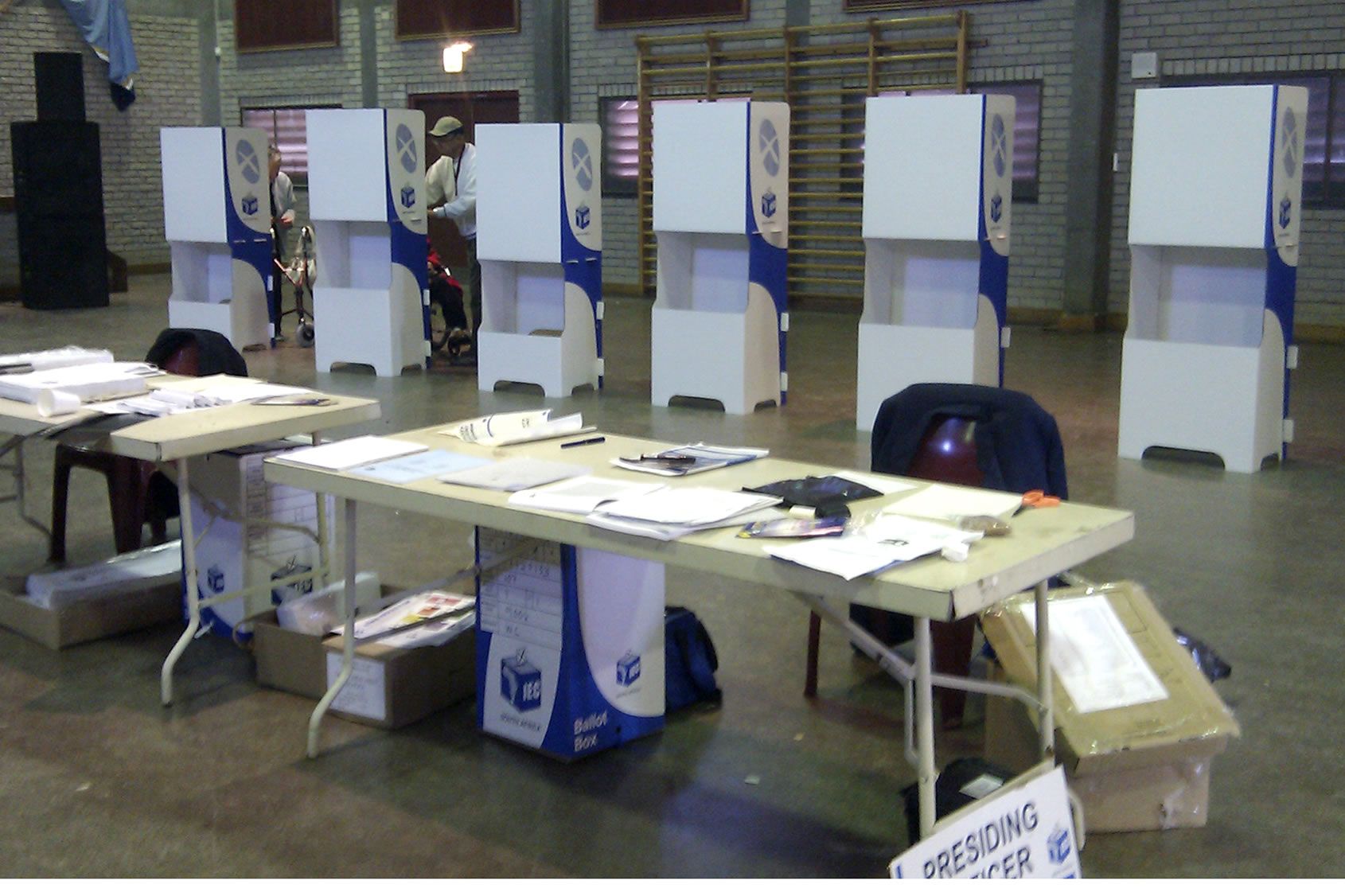
Voter turnout in the Western Cape tallied approximately 1.5 million by late Wednesday. According to electoral procedures, the IEC has seven days to announce the official results. Once declared, new municipal councils must convene within 14 days to elect their speakers and mayors.
What Lies Ahead for Governance in the Province
The results in the Western Cape will shape the future composition of municipal governments and influence the nature of local coalitions. With multiple parties vying for leadership and a growing presence from contenders like the PA, residents can expect coalition dynamics and negotiations to play a significant role in forming local governments over the coming weeks.
Follow Joburg ETC on Facebook, Twitter, TikTok and Instagram
For more News in Johannesburg, visit joburgetc.com
Source: iol.co.za