Business
Oil Prices Tumble as US Midterm Elections Shake Global Markets
Oil prices and the US dollar fell following the Democrats’ midterm election victory, as investors assessed potential gridlock and market shifts.
Market Response to US Political Shift
The global oil market and currency exchange rates experienced notable shifts on Wednesday as financial markets responded to the Democrats’ significant win in the US midterm elections. The results, which saw the Democratic Party seize control of both houses of Congress, have sent ripples across international market sectors, notably impacting oil prices and the US dollar.
Oil Prices Drop Amid Political Uncertainty
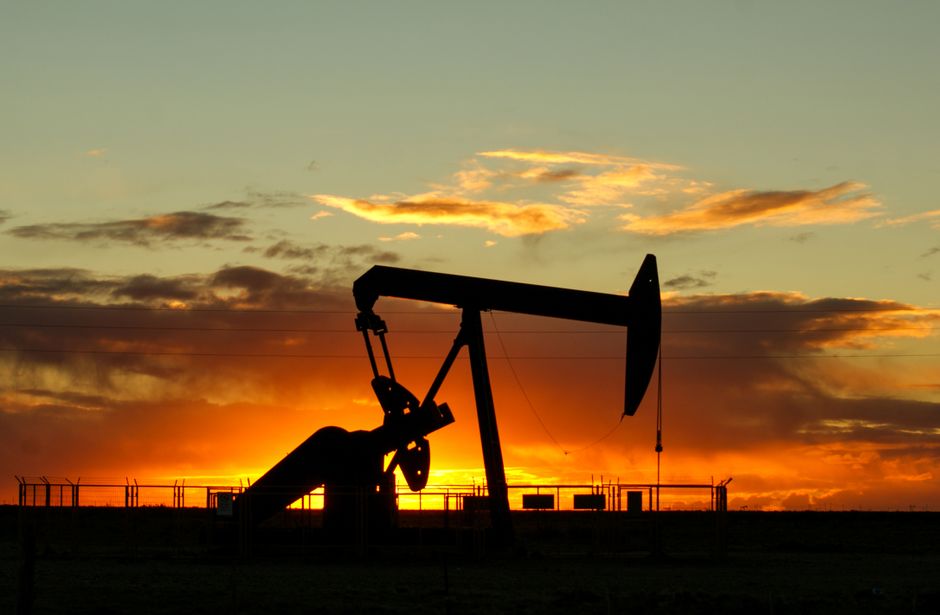
Oil prices fell as investors considered the potential consequences of a divided US political landscape. Benchmark Brent North Sea crude declined by 1.2% to $102.36 per barrel, while US West Texas Intermediate (WTI) crude dipped 0.8% to $95.42 per barrel. This decline occurred as speculation mounted about future US policy directions and the possibility of increased political gridlock under President Donald Trump.
The Dollar Sinks as Investors Hesitate
The US dollar weakened against other major currencies, highlighting market uncertainty following the election outcome. Investors expressed concerns that the new political dynamic could complicate legislative progress, especially with President Trump signalling his intention to use his veto power.
“The big risk is uncertainty around how Trump could act in the coming months following such a result,”
commented Russ Mould, investment director at AJ Bell.
Major currency pairs reflected this shift:
- Euro/dollar rose to $1.1243 from $1.1191.
- Pound/dollar moved up to $1.3475 from $1.3413.
- Dollar/yen dropped to 158.54 yen from 158.75 yen.
- Euro/pound increased to 83.45 pence from 83.43 pence.
Equity Markets Find Some Resilience
While currencies and oil showed declines, equity markets in Europe saw gains during Wednesday morning trading. London, Frankfurt, and Paris all climbed by more than 1%, despite official data showing eurozone inflation rising to a three-year high of 4.0%. Asia’s response was mixed, with Hong Kong and Shanghai posting gains, while Tokyo’s Nikkei 225 index dropped by 1.4% as technology shares struggled.
Key market indices at 1:30pm (SA time) included:
- FTSE 100 (London): Up 1.2% at 10,765.27
- CAC 40 (Paris): Up 1.5% at 8,137.66
- DAX (Frankfurt): Up 1.5% at 26,249.32
- Nikkei 225 (Tokyo): Down 1.4% at 62,188.63 (close)
- Hang Seng Index (Hong Kong): Up 1.7% at 23,919.50 (close)
- Shanghai Composite: Up 2.2% at 3,686.17 (close)
Implications of Democratic Control in Congress
With Democrats now holding both chambers, markets are bracing for policy changes or the possibility of legislative obstruction.
Democratic control enables the party to challenge and block legislative initiatives, investigate the Trump administration, and potentially impact presidential appointments. Given President Trump’s warning that he could become “Mr Veto”, investors see increased potential for political standoffs and slower policy progress.
Chris Weston, analyst at broker Pepperstone, observed that Trump still holds significant executive authority, making the ramifications of the election complex and uncertain.
Broader Economic Backdrop
The backdrop to the US political developments includes widespread voter frustration over issues such as high petrol prices, tariffs, and conflicts like the war in Iran. As a result, these midterm elections were widely perceived as a referendum on President Trump’s leadership and policies.
Bond markets remained relatively stable, avoiding recent volatility, while gold saw increased investor interest due to its reputation as a safe-haven asset during political and economic uncertainty.
Corporate Developments Influencing Markets
Beyond the election, investors were attentive to corporate earnings news:
- BMW announced plans to increase job cuts after a drop in third-quarter profits, citing tough competition and declining demand in China.
- Google revealed a $15 billion investment in Malaysia over the next two years, aimed at developing data centres and technology infrastructure.
Looking Ahead: Navigating Uncertainty
As markets digest the consequences of the US midterm elections, investors are closely monitoring potential shifts in policy and broader economic signals. The combination of policy uncertainty, possible gridlock, and ongoing global corporate and macroeconomic trends means that volatility is likely to persist in the short term.
Many observers will continue to watch how the new political balance will influence markets, policymaking, and the global economic outlook.
Follow Joburg ETC on Facebook, Twitter, TikTok and Instagram
For more News in Johannesburg, visit joburgetc.com
Source: iol.co.za