News
Tshwane Faces Mounting Challenges Amid R22.8 Billion in Unauthorised Expenditure and Water Losses
Tshwane battles a R22.8bn financial crisis, massive water losses, staff shortages, and failing infrastructure, reveals SAHRC’s water and sanitation report.
City Faces Deepening Service Delivery Crisis
The City of Tshwane is grappling with a profound water and finance crisis, as revealed by the South African Human Rights Commission’s (SAHRC) final report into Gauteng’s water and sanitation delivery.
According to the report, the city has amassed approximately R22.84 billion in unauthorised, irregular, fruitless, and wasteful expenditure. Alongside this, an estimated infrastructure backlog of R23 billion and a staggering loss of 39% of its water supply paint a picture of escalating operational and financial pressure. These losses equate to around R1.7 billion annually, far exceeding National Treasury’s guideline of 15% to 30% and highlighting significant inefficiencies in Tshwane’s water management.
Audit Findings and Governance Shortcomings
The SAHRC report found that Tshwane’s financial management and governance strains are severe. The Auditor-General flagged inadequate internal controls, issuing 14 material irregularities since 2019. Though 11 have been resolved and action is underway on the remaining three, the systemic weaknesses in financial controls remain.
Tshwane received a qualified audit opinion, with the report stressing, “The scale of the City’s broader financial-control deficiencies remains substantial.” This persistent instability significantly undermines service delivery and infrastructure maintenance efforts.
Widespread Water Losses and Tankering Costs
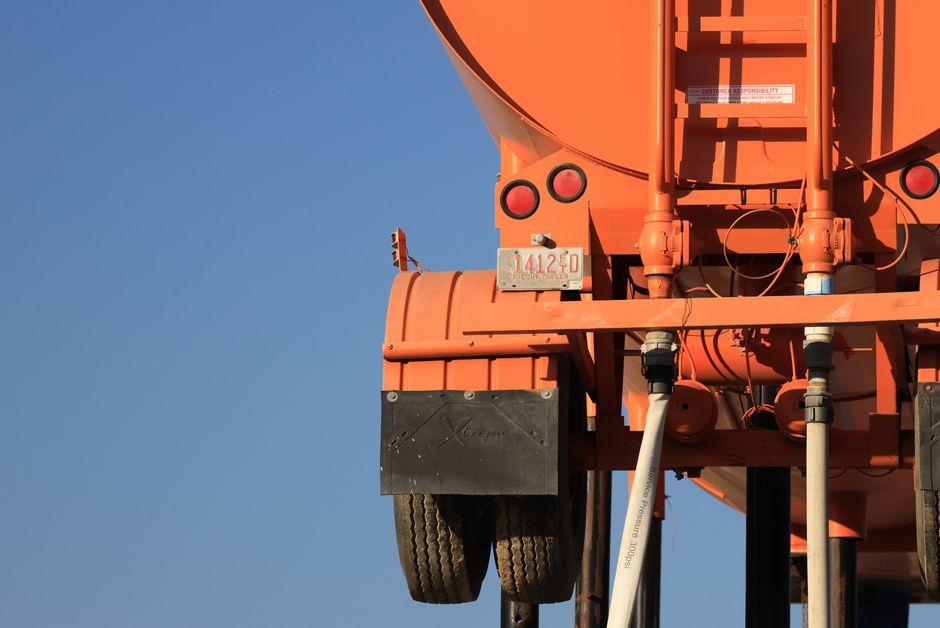
Water losses are draining the city’s finances and resources. At 39%, the city’s water loss is at a critical level. This inefficiency has driven costs up, especially regarding the provision of water to areas without reliable supply. The city’s reliance on external water tankering has soared, with expenditure rising sharply from approximately R47 million in 2021/22 to a peak of R777 million in 2024/25, before an anticipated decline to R362 million in 2025/26.
The SAHRC described this level of spending as “exceptionally high” and warned that dependency on tanker distribution creates both unsustainable costs and deprives residents of lasting infrastructure solutions. In Tshwane, around 170 informal settlements depend on 282 tankers and more than 1,250 static tanksa testament to the urgent need for sustainable water infrastructure development.
Workforce Constraints Undermine Operations
One of Tshwane’s most pressing challenges is a lack of human resources. The city operates with a 41% overall vacancy rate, with 28% of senior management and 25% of finance positions still unfilled. The Water and Sanitation Business Unit is particularly affected, with only 966 of 1,826 approved positions filled. Of the remaining posts, 92 are vacant and funded, while 768 positions are not funded at all.
This severe shortfall means necessary repairs, maintenance, and emergency responses are frequently delayed or missed. The city reported that its overtime budget is usually exhausted by April, after which employees may decline additional or emergency work if payment is not guaranteed. This dilemma directly affects Tshwane’s ability to provide reliable water and sanitation services.
Wastewater Treatment and Contamination Concerns
The report identified wastewater treatment as a major weakness in Tshwane’s water-services system. The city’s overall Green Drop score stands at a low 33.8%, categorized as poor. Of the 16 wastewater treatment facilities in operation, only two had available capacity information, and some, such as Daspoort Wastewater Treatment Works, were exceeding their design limits by significant margins.
Problems extend to pollution and compliance failures, with ongoing non-compliant discharges at several facilities. The Rooiwal facility’s discharge into the Apies River has impacted the raw-water quality available to the Temba Water Treatment Works. Issues outside Tshwane’s jurisdiction, such as contamination from the Hartebeesfontein plant in Ekurhuleni, have further strained water production at Rietvlei.
While corrective action is underwayincluding repairs at Rooiwal and the appointment of the Development Bank of Southern Africa as an implementing agentthe SAHRC warns that persistent non-compliant discharges mean the crisis is far from over. The Klipdrift package plant now provides interim drinking-water capacity for Hammanskraal, but these are considered temporary measures, not permanent solutions.
Challenges with Drinking Water Quality
Tshwane’s drinking-water safety remains inconsistent and requires ongoing attention. The city scored only 35.2% on the Blue Drop system, with wide variations across its 12 supply networksfrom 0% to 93.1%. Staff and equipment shortages further hinder regular monitoring, as seen in April 2025 when no water sampling occurred at Bronkhorstbaai and Sokhulumi due to lack of samplers and vehicles.
The Commission cautioned that while some areas show strong performance, the considerable variation across systems means there is no guarantee of safe or resilient water supply throughout the city.
Health Implications and Community Impact
The crisis carries tangible health risks. The District Health Barometer recorded 1,950 diarrhoea-related hospital separations and 16 deaths among children under five during 2024/25. While the SAHRC notes these are not necessarily caused by municipal drinking water, it emphasizes the critical importance of continued system-specific monitoring and preventative risk management.
Infrastructure Backlog and Geological Challenges
Tshwane’s infrastructure backlog stands at around R23 billion. Ageing pipes and treatment plants contribute to continued leaks and service interruptions. Additionally, about 463 km² of the municipality rests on dolomitic ground conditions, complicating maintenance and repair work.
Notably, while Tshwane supplies much more detailed evidence on water supply interruptions than other municipalities cited in the report, the Commission clarifies this reflects stronger operational monitoring rather than more incidents or failures.
The Path Ahead: Substantial Challenges and Limited Progress
The final assessment from the SAHRC underscores the magnitude of Tshwane’s issues: extreme operational, infrastructure, and governance challenges persist. Yet, the city has shown evidence of planning, monitoring, and steps toward corrective actionthough these have not yet brought about the turnaround required for reliable water and sanitation delivery.
Ensuring safe, sufficient, and sustainable water services in Tshwane will require decisive interventions, increased resources, and a renewed emphasis on both corrective actions and long-term investment. The situation remains urgent, with the city’s residents and institutions depending on progress to restore stable and safe water supply and sanitation standards.
Follow Joburg ETC on Facebook, Twitter, TikTok and Instagram
For more News in Johannesburg, visit joburgetc.com
Source: iol.co.za