News
ANC Holds Top Spot as Fragmented Election Results Highlight Coalition Era
The ANC remains South Africa’s largest party with 30.76% in the 2026 local elections, as fragmented results accelerate coalition negotiations and voter turnout rises.

2026 Local Elections Redraw South Africa’s Political Map
South Africa’s 2026 Local Government Elections have fundamentally altered the country’s political landscape. The African National Congress (ANC) retained its position as the largest party, yet did so with just 30.76% of the national votea reflection of growing political competition and public expectations for municipal governance.
Election Outcomes: A Fragmented Mandate
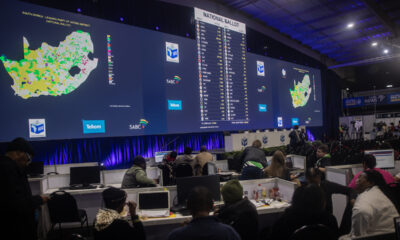
The Electoral Commission of South Africa (IEC) finalized and declared the results free and fair after all 213 municipal councils across the country concluded their respective counts. The vote, which took place on November 4, saw a contest involving 521 political parties and 636 independent candidates vying for a total of 10,526 council seats.
- ANC: 30.76%, winning 3,246 council seats
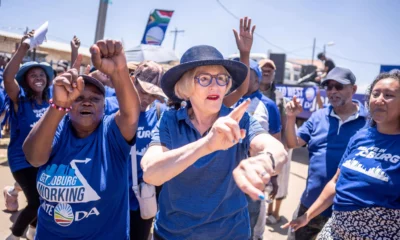
- DA: 24.64%, securing 1,695 seats
- MK Party: 9.76%, with 785 seats
- EFF: 6.22%, earning 588 seats
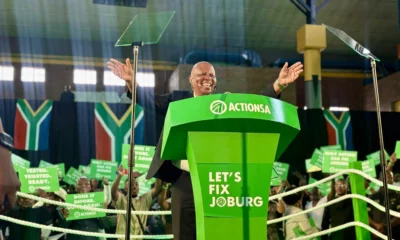
- ActionSA: 5.67%, obtaining 313 seats
The Democratic Alliance (DA) took the lead in five metropolitan areas, while the MK Party emerged as the strongest force in eThekwini. Across numerous councils, however, no single party achieved an outright majority. This fragmentation points to the formation of coalition governments as the new norm in many municipalities.
Coalitions in the Spotlight
With so many councils lacking dominant party control, coalition negotiations have come sharply into focus. Parties will now engage in discussions to form local administrations capable of delivering services and ensuring stability. The effectiveness of these coalitions remains a pivotal question for both politicians and residents in the coming term.
“The immediate test will be whether new political arrangements can produce stable administrations and improve the services on which residents rely.”
Voter Turnout and Public Engagement
Voter participation in 2026 climbed notably compared to the previous municipal election. Out of 29.2 million registered voters, approximately 14.9 million cast their ballots, pushing national turnout to 52%. This marks a 6.1 percentage point increase from the 45.9% recorded in 2021.
Such a robust turnout underscores renewed public engagement and a more competitive political field, with both established and emerging parties drawing voters to the polls.
Scale of the Contest
The 2026 elections underscore the vast scope of South African democracy at the local level. Some 137,000 candidates contested seats, which included both ward and proportional representation posts, as well as places on district councils. The result is a municipal landscape that more accurately reflects a variety of political voices and perspectives across the country.
Experience at the Polls
The IEC’s management of the election drew high marks from the majority of voters. The Human Sciences Research Council’s Election Satisfaction Survey revealed that:
- 91% of voters waited no more than 30 minutes to vote
- 90% traveled less than half an hour to reach their voting station
- 95% expressed satisfaction with IEC services
These figures help reinforce confidence in the voting process, although the survey did highlight areas of concern, including reports of intimidation, issues of impartiality, inclusivity in voting, and gaps in voter information.
Challenges Facing Local Government
A smooth voting process alone does not guarantee effective governance at the local level. New coalitions face pressure to deliver on promises, restore faith in council operations, and address the diverse needs of communities. The credibility of the system and voter trust remain under scrutiny, particularly as the survey recorded a decline in trust in the IECfrom 93% in 2016 down to 81% after the 2026 election.
A New Era for Municipal Councils
As coalition talks accelerate, a period of transition is underway for towns and cities alike. The capacity of local governments to provide reliable services, respond to public needs, and maintain stable administrations will be the defining test of this election’s impact.
The outcome of these negotiationsand the performance of new councilswill shape public confidence in South Africa’s municipal democracy for years to come.
Follow Joburg ETC on Facebook, Twitter, TikTok and Instagram
For more News in Johannesburg, visit joburgetc.com
Source: iol.co.za