News
Coalition Talks Intensify as ANC Loses Ground and DA Leads in Key Metros
South Africa’s 2026 local government elections see the ANC lose ground, DA lead in five metros, and coalition talks set to shape city governments.
South Africa’s Political Map Transformed by 2026 Local Elections
The 2026 local government elections have redefined South Africa’s political arena, with the African National Congress (ANC) remaining the largest party nationwide but losing further ground, while the Democratic Alliance (DA) emerges as the front-runner in major urban centers.
The outcome has paved the way for intense coalition negotiations in several cities, as no single party secured a governing majority in most metropolitan municipalities. Smaller parties, including ActionSA and the uMkhonto weSizwe (MK) Party, have strengthened their influence, particularly in the populous provinces of Gauteng and KwaZulu-Natal.
Election Results Outline New Balance of Power
With nearly 15 million South Africans participatingamounting to a voter turnout of 52%, an increase from 2021’s 45.9%the final tally has significant implications for city administrations. The ANC claimed 30.76% of national votes, ahead of the DA’s 24.64% share. The MK Party captured 9.76%, with the Economic Freedom Fighters (EFF) at 6.22% and ActionSA at 5.67%.
In total, the DA now leads in five of South Africa’s eight metropolitan municipalities: Cape Town, Johannesburg, Tshwane, Ekurhuleni, and Nelson Mandela Bay. The ANC recorded leads in Buffalo City and Mangaung, while the MK Party secured the largest share in eThekwini.
Cape Town stands out as the only metro with a clear majority for one party. All other major cities must now negotiate coalition governments.
The Numbers Behind the Metros
- Johannesburg: DA leads with 34.8%, ANC follows at 20.3%, and ActionSA holds 16.3%. With 270 council seats, 136 are needed for a majority. DA (91 seats) and ActionSA (43 seats) combined do not yet reach a majority.
- Tshwane: DA has 34.4%, ActionSA is second at 22.1%.
- Ekurhuleni: DA tops at 30.7%.
- Nelson Mandela Bay: DA secures 44.2%.
- Buffalo City: ANC leads with 41.9%.
- Mangaung: ANC takes 33.9%; DA follows closely with 33.5%.
- eThekwini: MK Party wins 86 out of 223 council seats, with DA at 57, ANC 37, IFP 15, ActionSA 7, and EFF 4.
None of the major metros except Cape Town produced an outright winner, making coalition agreements crucial for governance in these municipalities.
Coalition Negotiations Begin Amid Leadership Jostling
The absence of outright majorities has turned the spotlight to coalition talks. In Johannesburg, early negotiations include ActionSA asking the DA to reconsider certain mayoral candidates, while DA leadership expresses preference for streamlined coalitions with fewer partners. The dynamic nature of these discussions is highlighted by public statements and the potential involvement of influential political figures.
ActionSA has already completed an initial round of coalition talks with both the ANC and DA. The party described discussions with the ANC as respectful and productive, while differing perspectives remain on mayoral candidates within DA negotiations. How the next administration will be formed in Johannesburg and other hung metros will depend heavily on the outcome of these deliberations.
KwaZulu-Natal’s Dramatic Shift
eThekwini has witnessed a remarkable transformation, with the MK Party overtaking the ANC as the metro’s largest bloc. Despite winning 86 out of 223 council seats, the MK Party fell short of a majority, requiring alliances to govern city affairs.
President Ramaphosa Calls for Service Delivery and Unity
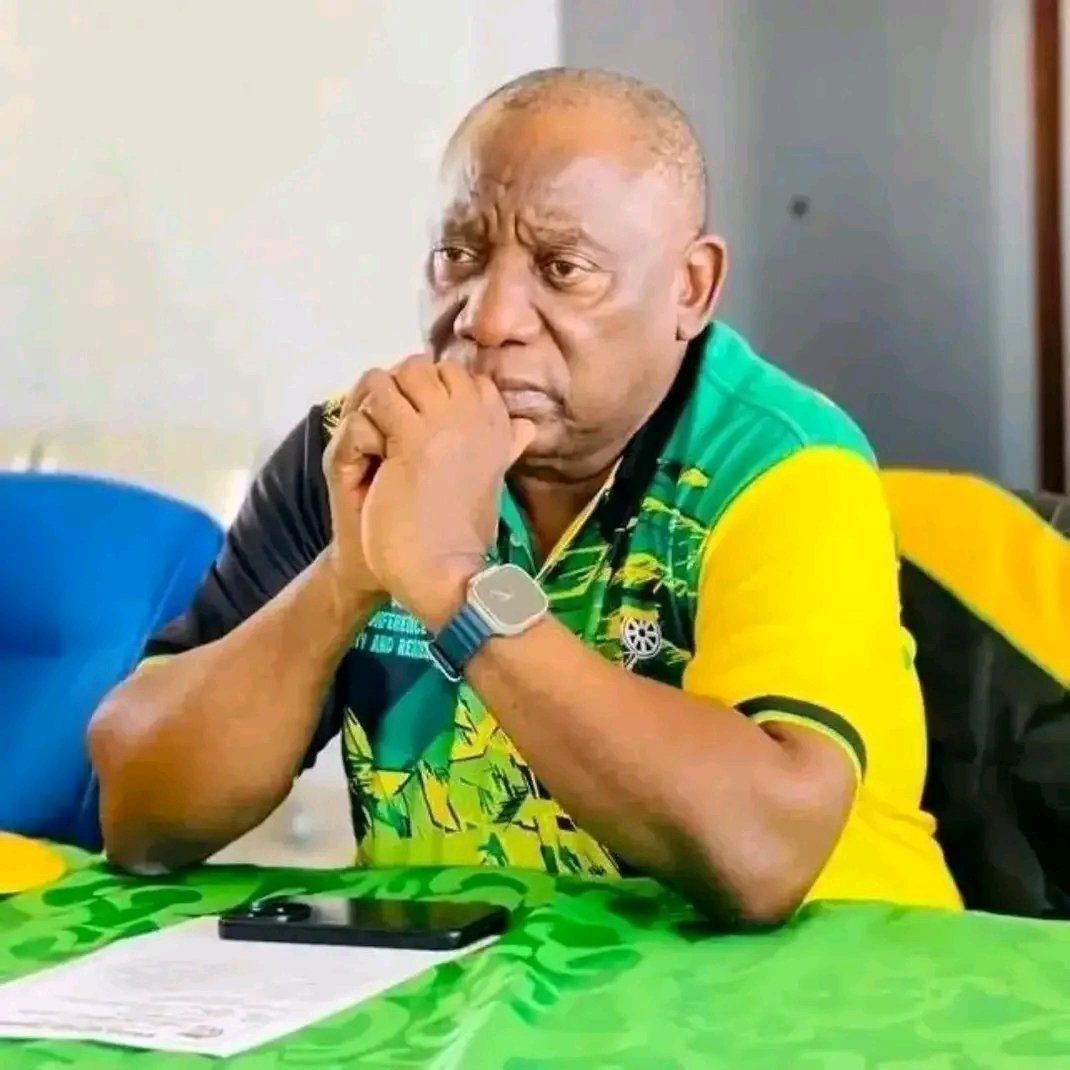
President Cyril Ramaphosa addressed the nation after results were announced at the IEC’s National Results Operations Centre, urging newly elected councillors to prioritise service delivery over political infighting. He emphasised that the election process demonstrated the robustness of South Africa’s multi-party democracy, with over 540 political parties and nearly 137,000 candidates participating.
“These are not unreasonable expectations. They are the basic requirements of a life of dignity.”
He highlighted the challenges many households face due to rising living costs and unemployment, stressing that voters expected functioning municipalitieswhere water is accessible, electricity is reliable, refuse is collected, and neighbourhoods remain safe.
Ramaphosa also cautioned against using municipal positions as bargaining chips in coalition deals, calling on parties to form councils without unnecessary delay and ensure municipal budgets are passed on time. He warned,
“Essential service delivery should never become a bargaining tool in coalition negotiations.”
The President made it clear that South Africans did not vote for continued political infighting but for capable administrations willing to rise above power struggles.
IEC: Challenges Overcome in Delivering a Credible Election
The Independent Electoral Commission (IEC) declared the elections free and fair despite facing several operational challenges. Chief Electoral Officer Sy Mamabolo noted extensive preparation, technological improvements, and the mobilisation of approximately 188,000 election staff at over 23,000 voting stations.
One of the largest hurdles was a Constitutional Court order demanding last-minute changes to candidate lists. This resulted in the reprinting and distribution of roughly 28 million new ballot papers. The IEC responded by adjusting logistics to ensure the election ran smoothly despite the disruptions.
IEC chairperson Mosotho Moepya stressed the need for transparency regarding the process’s flaws, stating that no institution could be taken seriously if it failed to acknowledge its shortcomings. The IEC is committed to adjudicating any outstanding objections, as required by the Municipal Electoral Act.
Incidents and Objections
The commission confirmed plans for a re-election at a Douglas, Northern Cape voting station, where ballot papers were destroyed before counting. In KwaZulu-Natal, several objections were submitted after the official deadline, and their consideration could lead to adjustments in preliminary results.
KwaZulu-Natal recorded a voter turnout of 49%, slightly above the national average, and a spoiled ballot rate of 1.45%. The province accounted for 11% of all national objections under Section 65 of the Municipal Electoral Act. Despite logistical demands, no voting stations in the province ran out of ballot papers, and over 200,000 special votes were administered.
What Comes Next?
With seven of the eight major metros needing coalition governments, forthcoming negotiations will be decisive in shaping city leadership and service delivery agendas across urban South Africa. The process will test the willingness of political leaders to prioritize the needs of communities over party interests.
As the window for finalising objections and forming governing coalitions closes, all eyes turn to how swiftly and effectively parties can forge workable arrangements that reflect the will of the electorateand deliver tangible results to residents.
Follow Joburg ETC on Facebook, Twitter, TikTok and Instagram
For more News in Johannesburg, visit joburgetc.com
Source: iol.co.za