News
Political Jockeying Heats Up as ActionSA, ANC, and DA Mull Coalitions in Gauteng Metros
ActionSA’s position after Gauteng’s elections puts it at the centre of coalition discussions with the ANC and DA. The direction taken could bring political risks.
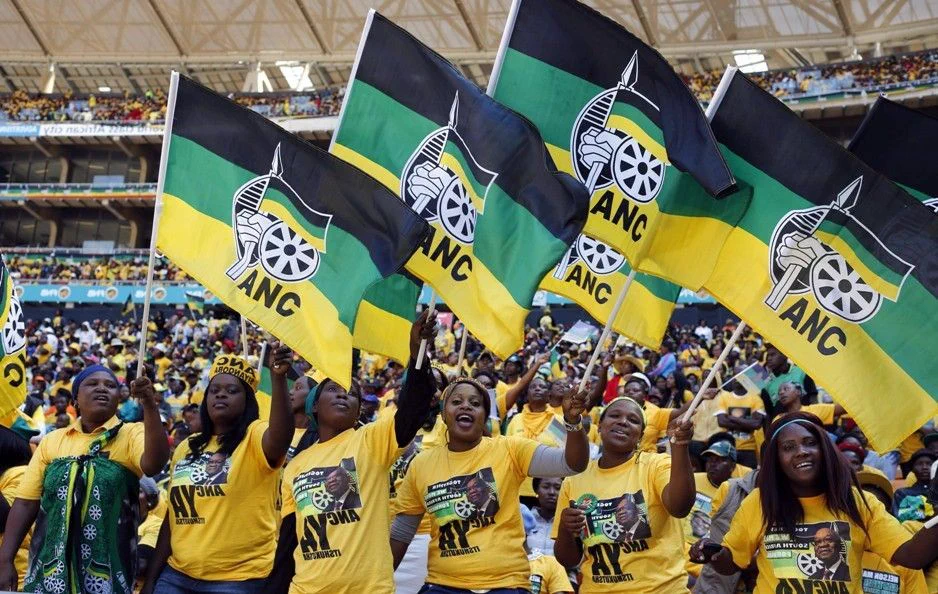
Coalition Negotiations Intensify in Gauteng’s Major Metros
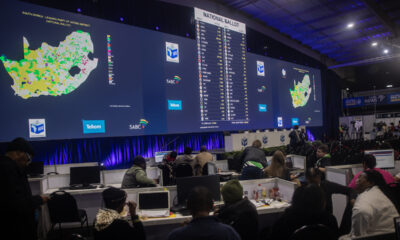
Following the recent local government elections in Gauteng, the political landscape in the province’s largest metros is undergoing a significant transformation. ActionSA has emerged as a key player, potentially holding the balance of power in determining who governs the region’s three major metropolitan areas. However, the possibilities for coalition agreements come with both opportunities and risks for all parties involved.
Pivotal Role for ActionSA Amid Coalition Uncertainty
With no single party commanding clear majorities in key Gauteng councils, coalition negotiations have become central to forming new governments. ActionSA, under the leadership of Herman Mashaba, finds itself at the focal point of these discussions. Its decisions on whom to partner with will likely shape not only the makeup of municipal councils but also the next phase of governance in Johannesburg, Tshwane, and Ekurhuleni.
Commentators and political insiders have highlighted that ActionSA’s choices could significantly affect its support base. Many of its voters viewed the party as a clear alternative to the African National Congress (ANC), and the prospect of an ActionSA-ANC coalition has sparked debate about potential backlash from its supporters.
Coalition Scenarios and the Risks of Fragmented Governance
There is growing concern that if the ANC and ActionSA join forces to exclude the Democratic Alliance (DA), it may leave the electorate feeling betrayed and could result in further fragmented municipal administrations. The risk of political instability looms large, with smaller parties vying for influence amid complex coalition arrangements.
Political analyst Theo Neethling has stressed the potential advantages of an ANC-DA coalition. He asserts that an agreement between the two largest parties could enhance the legitimacy of local governments and reduce the pitfalls associated with fractured coalitions dominated by smaller and less stable parties.
“The best way is for the ANC and the DA to get in a coalition,”
Neethling argued, emphasizing the need for robust and credible governance to prevent stagnation or collapse in municipal management.
Despite these arguments, history shows that an ActionSA-ANC coalition remains a possibility, particularly given their recent collaboration in Tshwane. This precedent, however, does not eliminate internal tensions or external criticism.
Personalities and Party Positions Shape Negotiations
Reports of animosity between Herman Mashaba and senior DA figures have added another layer of complexity to ongoing talks. Behind the scenes, some insiders have cautioned against letting personal disagreements determine the outcome of coalition negotiations, suggesting such dynamics only serve to further complicate an already intricate process.
An unnamed political insider warned,
“If ActionSA jumps into bed with the ANC, it will be a problem for them going forward. Their surge in support will be short-lived.”
This sentiment echoes ActionSA’s historic positioning as a rival to ANC influence in local government.
Back in 2021, Mashaba publicly declared that one of his party’s principal strategies was to “unseat the ANC in local government and limit their access to the public purse.” He asserted that those in ANC government were “in government to take, not to give,” underlining an aversion to aiding the ANC in retaining power. At that time, Mashaba dismissed parties that accommodated the ANC in coalition arrangements, claiming that the future of South Africa depended on wresting municipalities from the ANC’s grip.
Nuanced Approaches Emerge from Party Spokespersons
Despite historical positions, ActionSA now signals increased flexibility. Gauteng provincial chair Funzi Ngobeni stated that the party would adopt a careful, case-by-case approach in coalition talks.
“We are prepared to talk to any political party. But we will not enter into agreements simply to be part of government,”
Ngobeni said, highlighting a commitment to core principles such as service delivery, combating corruption, and ensuring accountability.
Michael Basch, speaking for ActionSA, emphasized that no firm coalition decisions have yet been made and various possibilities are under consideration. Basch denied that coalition talks were driven by personality clashes among leaders, instead reiterating a focus on programmes to improve residents’ daily lives, address service failures, and restore infrastructure.
When questioned about potentially alienating the party’s anti-ANC base by pursuing agreements with the ANC, Basch said that coalition choices would center on the outcomes for communities, not on historic rivalries.
The Road Ahead: Risks and Expectations
As coalition talks continue, concerns remain that alliances involving the ANC, ActionSA, and smaller parties could produce unstable and short-lived councils. Political observers and party insiders alike are watching closely to see whether new arrangements promote genuine change or merely reshuffle existing interests to the detriment of effective governance.
While ANC and DA spokespersons have remained silent on specifics, all eyes are on Johannesburg and the wider Gauteng region. The choices made now during coalition negotiations will determine the trajectory of service delivery, accountability, and governance for millions of residents in the province’s economic heartland.
The Bigger Picture
The outcome in Gauteng holds national significance. As local government coalitions form, South Africans across the country will be watching to see if new political partnerships can break the cycle of instability and restore public confidence in metropolitan administrations.
Follow Joburg ETC on Facebook, Twitter, TikTok and Instagram
For more News in Johannesburg, visit joburgetc.com
Source: citizen.co.za