News
Earth Is Absorbing Heat FasterWhat That Means for Health, Food, and Water
The rapid accumulation of heat on Earth is driving extreme weather, raising risks for health, food security, and water supplies. Here’s what it means for everyday life.
Earth’s Energy Imbalance Reaches Record Levels
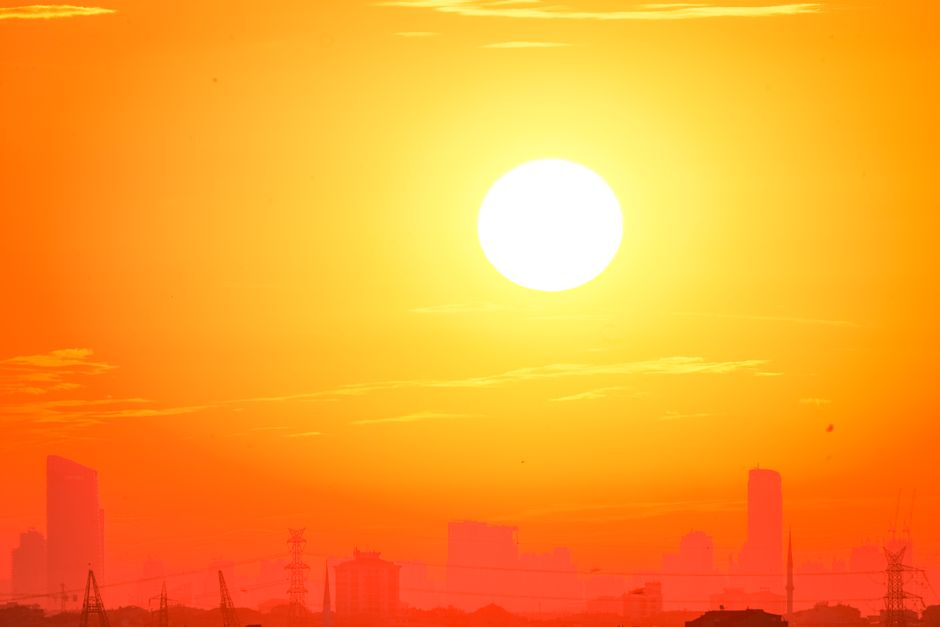
The World Meteorological Organization (WMO) has warned that the Earth is now accumulating heat at an unprecedented rate, raising significant concerns about the future of weather patterns, food security, and access to water. This alarming trend was highlighted in the WMO’s State of the Global Climate Update 2026, as global leaders meet for the COP31 climate summit in Antalya, Türkiye.
The WMO announced that the Earth’s energy imbalance has hit its highest level since monitoring began. In simple terms, more energy is now entering our planet’s system than is escaping back into space, causing heat to build up in the atmosphere and oceans. According to the agency, this imbalance is a major sign that the planet’s climate system is increasingly out of balance.
Why Is Earth Accumulating More Heat?
Under typical conditions, the energy coming from the sun should match the energy released by Earth into space. However, the report explains that human activitiesespecially burning fossil fuels like coal, oil, and gashave dramatically increased greenhouse gas concentrations in the atmosphere. These gases act like a blanket, trapping heat that would otherwise dissipate, and disrupting the planet’s energy equilibrium.
The oceans play a huge role in absorbing this excess heat, with about 90% of the accumulated warmth ending up below the waves. As a result, global average surface temperatures for January to September 2026 were about 1.47°C higher than pre-industrial levels. The WMO also notes that 2026 is on track to become one of the four hottest years ever recorded, following a sequence where the past four years have each set new records.
Everyday Impacts: Health, Food, and Water
While these figures might sound abstract, their effects on daily life are becoming increasingly visible. From shifting weather and food price hikes to water shortages, the consequences are reaching people everywhere.
1. Intensified Heatwaves and Rising Health Risks
Extreme heat is the most immediate threat posed by the planet’s rising temperatures. The WMO reported that hundreds of millions of people faced extreme heat in 2026 alone. Heatwaves are becoming more frequent and severe, putting especially older people, children, outdoor workers, and vulnerable groups at higher risk of dehydration, heat exhaustion, and life-threatening heatstroke. Higher temperatures can also disrupt daily routines, make commuting or exercise dangerous, and complicate outdoor labor.
2. Food Security Under Threat
The agricultural sector is highly sensitive to climate fluctuations, relying on steady rainfall and moderate temperatures to sustain crops and livestock. The WMO warns that extreme heat, erratic rainfall, and droughts are undermining food security across various regions. When farmers face failed harvests or declining livestock, it can limit food availability and drive up prices for consumers. The report also highlights how a developing El Niño pattern could worsen challenges for agricultural communities, especially in areas dependent on rainfall.
3. Water Shortages Growing More Severe
Rising global temperatures lead not only to more evaporation but also disrupt rainfall cycles. The WMO states that global land-based freshwater storage has been dropping since 2014. By 2025, 42% of the assessed global land had below-normal water storage. For many South Africans and communities worldwide, this can translate to water restrictions, supply interruptions, and increasing strain on water infrastructure.
- Increased evaporation from dams, rivers, and the soil
- Less predictable rainfall patterns
- Greater demand on limited municipal water systems
4. Escalating Extreme Weather Events
The accumulating heat not only raises average temperatures but also powers more severe storms, heavier rainfalls, and intensified droughts. Warmer oceans can feed tropical storms, while disruptions in the water cycle mean that some regions may experience both floods and droughts within short periods. The WMO emphasized that heatwaves, tropical cyclones, and rainstorms are becoming more intense than historical patterns would suggest, posing new challenges for societies and emergency services.
5. Rising Sea Levels Impacting Coasts
The WMO reports that global mean sea level reached a record high in 2026. As ocean waters warm and expand, and as glaciers and ice sheets melt, more water accumulates in the seas. This trend spells trouble for coastal and low-lying communities worldwideincluding in South Africaby increasing the danger of coastal flooding, erosion, and destructive storm surges. Homes, industries, and entire livelihoods are at risk if adaptation measures are not implemented.
El Niño: A Risk Multiplier
Amplifying these hazards is the development of an exceptionally strong El Niño event. El Niño is a recurring climate pattern that alters ocean temperatures and wind patterns, shifting weather around the globe. The WMO says the current El Niño, intensifying since August, could become the strongest ever by December and persist into 2027.
According to WMO Secretary-General Celeste Saulo, El Niño doesn’t create additional heat but instead releases heat from oceans that are already extremely warm. The effect is to act as a “risk multiplier,” compounding existing threats to health, agriculture, and communities. However, the specific impacts of El Niño vary by region, so not all areas will feel the same effects in the same way.
Looking Ahead
The WMO’s latest assessment is clear: Earth’s accelerating accumulation of heat presents direct threats to health, stability, food availability, and water security for communities worldwide. Rising seas and more severe weather make adapting to these changes urgent. While the situation is serious, understanding these facts can help communities and policymakers focus solutions on safeguarding livelihoods and supporting those most at risk from our changing climate.
Follow Joburg ETC on Facebook, Twitter, TikTok and Instagram
For more News in Johannesburg, visit joburgetc.com
Source: iol.co.za