News
SACP Secures 271 Seats in Landmark Independent Election, Demands New Alliance Terms
The SACP won 271 seats and 2.38% of votes in the 2026 local elections, pressing for Tripartite Alliance changes and reconsidering automatic support for the ANC.
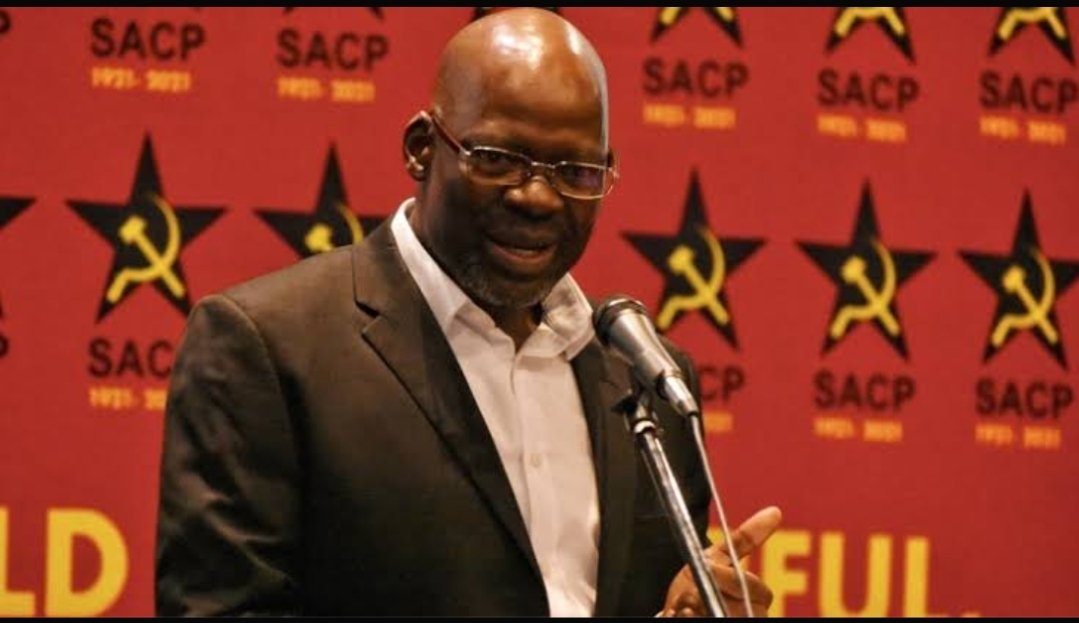
SACP Achieves Major Breakthrough in Local Government Elections
The South African Communist Party (SACP) marked a significant turning point in its political journey by securing 271 seats and 2.38% of the national vote in the 2026 local government elections. This outcome follows the SACP’s decision to run independently for the first time in over three decades, after traditionally supporting the African National Congress (ANC) at the polls as part of the Tripartite Alliance.
Departure from Longstanding Electoral Tradition
For 14 consecutive elections, the SACP, along with its members and supporters, cast their votes for the ANC under the auspices of the Tripartite Alliance, which also includes the Congress of South African Trade Unions (Cosatu). However, with the SACP’s independent participation in 2026, the party redefined its electoral strategy and political relationships.
The election saw the SACP perform strongly in parts of Nelson Mandela Bay, where it won four seats, and gained support in Limpopo and North West provinces. In Gauteng, however, the party faced challenges as voters shifted toward ActionSA and the Democratic Alliance (DA).
Comparing National Political Standings
The SACP’s 271-seat victory placed it ahead of the Patriotic Alliance, which won 192 seats. Other notable parties included Rise Mzansi with nine seats and Build One South Africa (BOSA), led by former DA leader Mmusi Maimane, with seven seats.
The ANC remained the country’s largest political party, securing just over 30% of the vote and holding 3,248 seats as well as control of 53 councils. However, the shift in the SACP’s role introduces a new dynamic in South Africa’s municipal politics, particularly in hung councils where coalition-building is essential.
SACP Calls for Reconfiguration of the Tripartite Alliance
Following its independent showing, the SACP has renewed demands to overhaul the Tripartite Alliance’s structure. General secretary Solly Mapaila insisted that the alliance cannot return to its prior mode of operation.
Dr. Alex Mashilo, SACP Central Committee and Politburo member, explained that by winning electoral seats, the party has direct constituencies and responsibilities. “No, there cannot be automatic coalitions. You see, the terms under which we engage now have been reconfigured,” he stated during a public interview.
Mashilo emphasized that the SACP’s decision-making process would be consultative and democratic, involving meetings with both party members and voters who supported the SACP.
“We are not taking a decision without democracy and then imposing it outside there. Our process is thoroughly democratic because we have an experience of participating in processes where our voices were not taken into account,” Mashilo said.
Strains Within the Alliance and Calls for Representation
The longstanding arrangement within the Tripartite Alliance saw the ANC dominate political representation, often sidelining the voices of its partners in parliamentary and municipal forums. Mashilo noted that the SACP’s lack of direct presence in parliament had become an existential threat to the party.
He argued that the 2026 election campaign allowed the SACP to “reintroduce itself” to the electorate and begin providing direct representation in municipalities, notably including Johannesburg.
“So there is no way we can go back to an arrangement we have been appealing [against]. It needed to be changed to reflect the composition of the alliance,” Mashilo said.
Coalition Politics: No Automatic Support for the ANC
SACP general secretary Solly Mapaila stressed that the party’s support in coalition negotiations could not be assumed, especially in municipalities without a clear majority winner. Speaking at the National Results Operations Centre in Midrand, Mapaila explained that future coalitions would depend on shared priorities and a focus on improving the lives of working class and impoverished communities.
“There is no automatic support for any single party,” Mapaila said.
He underlined the SACP’s ongoing commitment to grassroots communities, noting that their advocacy has extended far beyond election cycles.
This approach differed from that of the ANC leadership, who suggested that the SACP’s backing would be expected in efforts to form stable municipal governments.
Pushing for Unity Among Left-Wing Forces
Mapaila further announced the SACP’s plans to bring together left-wing parties that contested the elections to craft a common political strategy. This initiative follows the establishment of the Council of the Left, which commissioned the SACP to lead efforts to unite and coordinate grassroots socialist formations.
“The left forces primarily represent the lowest in our communities, the poorest of the poor, those that have been neglected by the democratic transition, and those that are victims of the capitalist discourse in our country,” Mapaila stated.
Critical Stance on National Unity Government
The SACP has also maintained a critical view of the national Government of National Unity (GNU), particularly objecting to the ANC’s partnership with the DA and Freedom Front Plus. According to the SACP, these alliances do not advance the interests of black people and the working class.
Implications for South Africa’s Political Landscape
The SACP’s electoral breakthrough and its push for a reconfigured Tripartite Alliance signal broader changes in South African politics. The shift brings fresh debate about the representation and priorities of alliance partners, and may intensify calls for a new balance of power within coalition governments.
- The party has ruled out automatic coalition arrangements and will negotiate based on clearly defined priorities.
- It has reaffirmed its focus on the needs of working-class citizens and marginalized communities.
- The call for a summit among left-wing groups will likely shape future political cooperation and grassroots efforts.
While the ANC continues to dominate in terms of numbers, the emergence of the SACP as an independent playerand its insistence on fairer alliance termsmay change how power is shared and policies are shaped at all levels of government.
Follow Joburg ETC on Facebook, Twitter, TikTok and Instagram
For more News in Johannesburg, visit joburgetc.com
Source: iol.co.za