Business
Fuel levy relief offers short-term reprieve as OUTA warns taxpayers still pay for failures
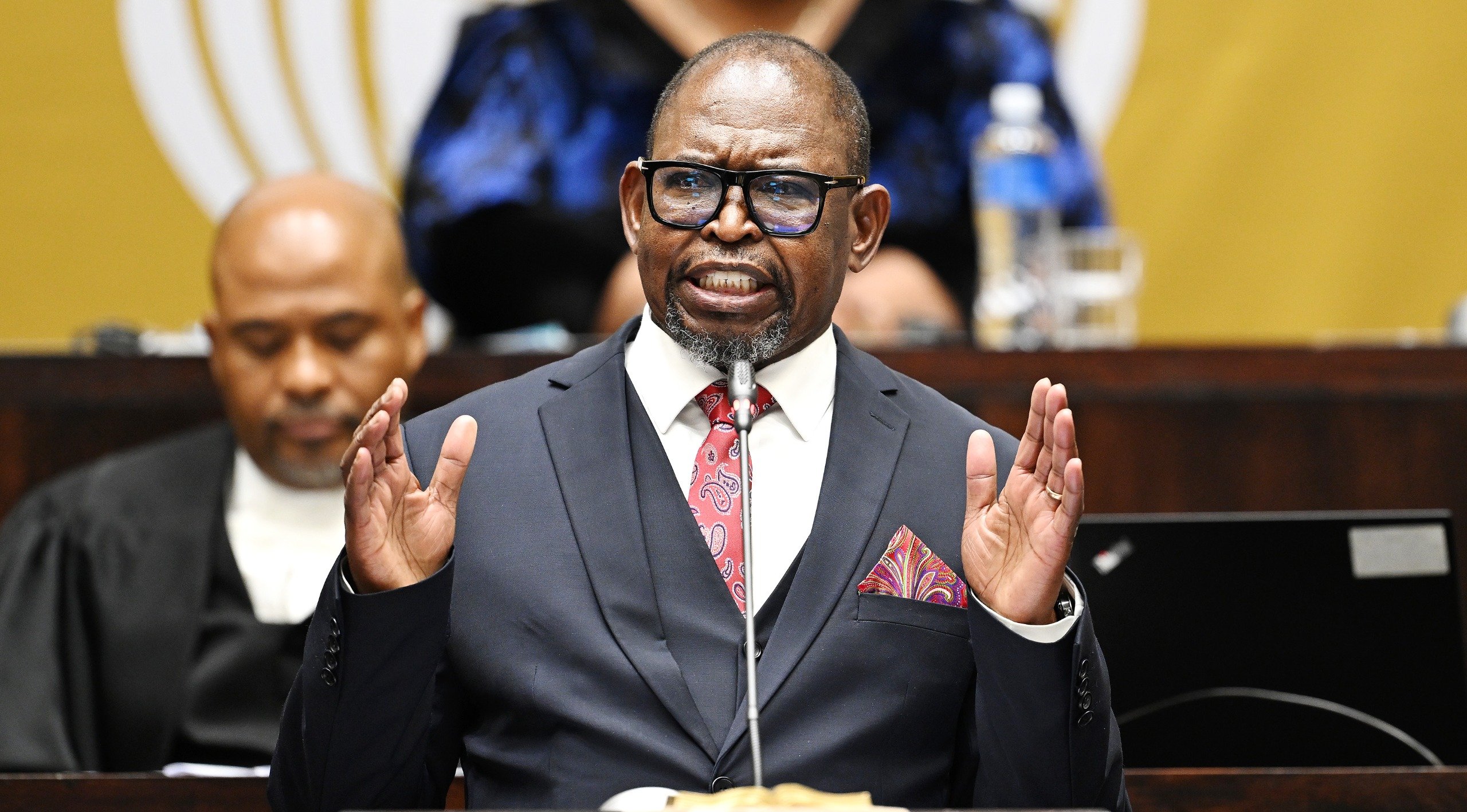
OUTA welcomes Finance Minister Enoch Godongwana’s temporary R10bn fuel levy relief but warns wasteful spending, failing infrastructure and poor municipal management still cost households.
What the relief delivers and its limits
The measure reduces the immediate cost of filling vehicles by cutting the fuel levy. OUTA’s response recognises the short-term benefit but frames the relief as only a temporary easing of pressure on household budgets strained by transport and food costs.
“South Africans are feeling the pressure every time they fill their tanks, buy groceries or pay for transport. This relief will help, but only temporarily,” said OUTA CEO Wayne Duvenage.
The MTBPS also adjusts broader fiscal plans: Treasury has lowered its economic growth forecast for 2026 to 1.2% from 1.6% in February, and it has revised the current year’s non-interest spending envelope upward by R45 billion. These figures underline that the fuel levy move sits inside a constrained economic picture.
OUTA’s central complaint: taxpayers still paying for government failures
OUTA’s main concern is not the relief itself but the persistence of waste, poor delivery and weak municipal financial management that compel households to shoulder recurring costs. The organisation pointed to Treasury’s review of transfers through infrastructure conditional grants a total of R887 billion sent to provinces and municipalities between 2017/18 and 2023/24 which, OUTA says, found projects were often delayed, left incomplete or failed to deliver promised benefits.
OUTA did not claim that the entire amount was wasted, but used the review to press for accountability and clarity from Treasury.
“Spending the money is not the same as doing the job. Treasury must tell South Africans which projects failed, how much was spent, who was responsible and what action has been taken,” said Duvenage.
The MTBPS itself allocates extra resources to local government: an additional R21.8 billion to the local government equitable share over the medium term to help meet rising costs of basic municipal services. OUTA warned that many municipalities currently prioritise operating costs over maintenance, creating a cycle where residents effectively pay twice once through bills and again through the disruption and cost of failing infrastructure.
“When municipalities collect money for electricity and water but fail to maintain those networks, residents pay twice. First through their municipal bills and then through the cost and disruption of failing infrastructure,” Duvenage said.
Wider responses: property sector and economists
The temporary fuel relief drew approval beyond civic bodies. In the property sector, leaders said the move offers short-term cushioning for households and businesses facing increasing transport and operating costs.
“Higher fuel costs have implications well beyond motorists, influencing transport, distribution, food prices and inflation more broadly,” said Dr Andrew Golding, chief executive of the Pam Golding Property Group. He added that while the relief gives some breathing space, longer-term housing affordability depends on stronger economic growth, employment and access to competitive home financing.
Samuel Seeff of the Seeff Property Group described the MTBPS as “a stable and fair fiscal plan under challenging macroeconomic conditions,” and urged rate cuts to ease consumer strain and support housing demand.
From the economist side, Momentum Group’s Sanisha Packirisamy cautioned that temporary cuts cannot shield households indefinitely from global oil-price movements. Packirisamy also highlighted the same fiscal items cited in the MTBPS: the downward revision of the 2026 growth forecast to 1.2% and the upward adjustment of non-interest spending by R45 billion. Packirisamy noted that the additional spending in the MTBPS is intended to support health, education, local government and regulatory enforcement.
Accountability measures and fiscal trade-offs
OUTA urged scrutiny of Treasury’s package of planned savings over the medium term, which includes R38.1 billion in measures targeting social grant fraud and programmes it deems ineffective. The organisation warned that attempts to cut waste must not penalise legitimate grant recipients or undermine essential services a reminder of the tight balance policymakers must strike when trimming budgets.
In broad terms, the MTBPS shows the government attempting to reconcile short-term relief with medium-term fiscal pressures: temporary cuts to help households now, alongside reallocated spending and savings targets to stabilise the public purse. But for OUTA and others, the central test remains delivery ensuring money allocated for infrastructure and services is turned into functioning roads, water networks and municipal services rather than delayed or incomplete projects that shift costs back to citizens.
What readers should watch next
Key questions emerging from the MTBPS and OUTA’s response are procedural and practical: whether Treasury will publish detailed findings on the infrastructure grants review, whether municipalities will shift more of their budgets from operating expenses to maintenance, and how the announced savings and additional allocations will be tracked to outcomes rather than inputs. Those follow-ups will determine whether the temporary relief at the pumps translates into sustained improvement in service delivery and household finances.
The fuel levy reduction will provide immediate breathing space for consumers and businesses facing higher transport costs, but without clearer answers on past failures and stronger, sustained delivery of infrastructure and municipal services, taxpayers may continue to absorb the hidden costs of government shortcomings.
Follow Joburg ETC on Facebook, Twitter, TikTok and Instagram
For more News in Johannesburg, visit joburgetc.com
Source: iol.co.za