News
Parliament slams CETA over bursary delays and R914 million overspend
Parliament slams CETA over bursary delays and R914 million overspend
Parliament has criticised the Construction Education and Training Authority (CETA) over delayed bursary awards that have disrupted students’ studies, alongside concerns about a reported R914 million overspend and weaknesses in financial management.
The Portfolio Committee on Higher Education and Training raised the issues during presentations by CETA and the Services Sector Education and Training Authority (Services SETA) on their 2025/26 annual reports.
Both entities also updated the committee on efforts to restore stability after being placed under administration.
Bursary delays put students’ qualifications at risk
The committee said CETA appeared not to fully understand the impact of failing to award bursaries to new and continuing students within the relevant academic year.
Continuing students were particularly at risk because delays in financial support could interrupt their studies, affect their academic progress and jeopardise their chances of completing their qualifications.
Prospective students were also disadvantaged by the delays.
Although CETA indicated that the issue had been addressed in the following financial year, the committee rejected the explanation, arguing that late funding could not undo the damage already caused.
Members said students could not recover lost academic time or missed educational opportunities simply because funding eventually became available. They also highlighted the financial hardship caused by interrupted support.
CETA’s R914 million overspend raises concerns
The committee also raised questions about CETA’s financial management, including reported overspending of approximately R914 million against expenditure of R1.25 billion.
CETA received a qualified audit opinion, while the committee noted approximately R956 million in irregular expenditure accumulated over previous years.
A further R44 million was recorded in fruitless and wasteful expenditure.
The committee also highlighted a material irregularity involving a biometric attendance and stipend-payment system purchased for approximately R13.26 million that was never fully operationalised.
The findings added to concerns about whether the authority was managing public funds effectively and ensuring that spending translated into meaningful training opportunities.
Committee questions accountability and oversight
The Department of Higher Education and Training placed CETA and Services SETA under administration in August 2025 following governance and operational difficulties.
Both entities are expected to remain under administration until 31 January 2027.
The committee also expressed concern about what it described as a broader pattern of entities in the sector failing to implement audit action plans issued by the Auditor-General of South Africa.
It recommended that the department ensure reporting entities comply with these plans.
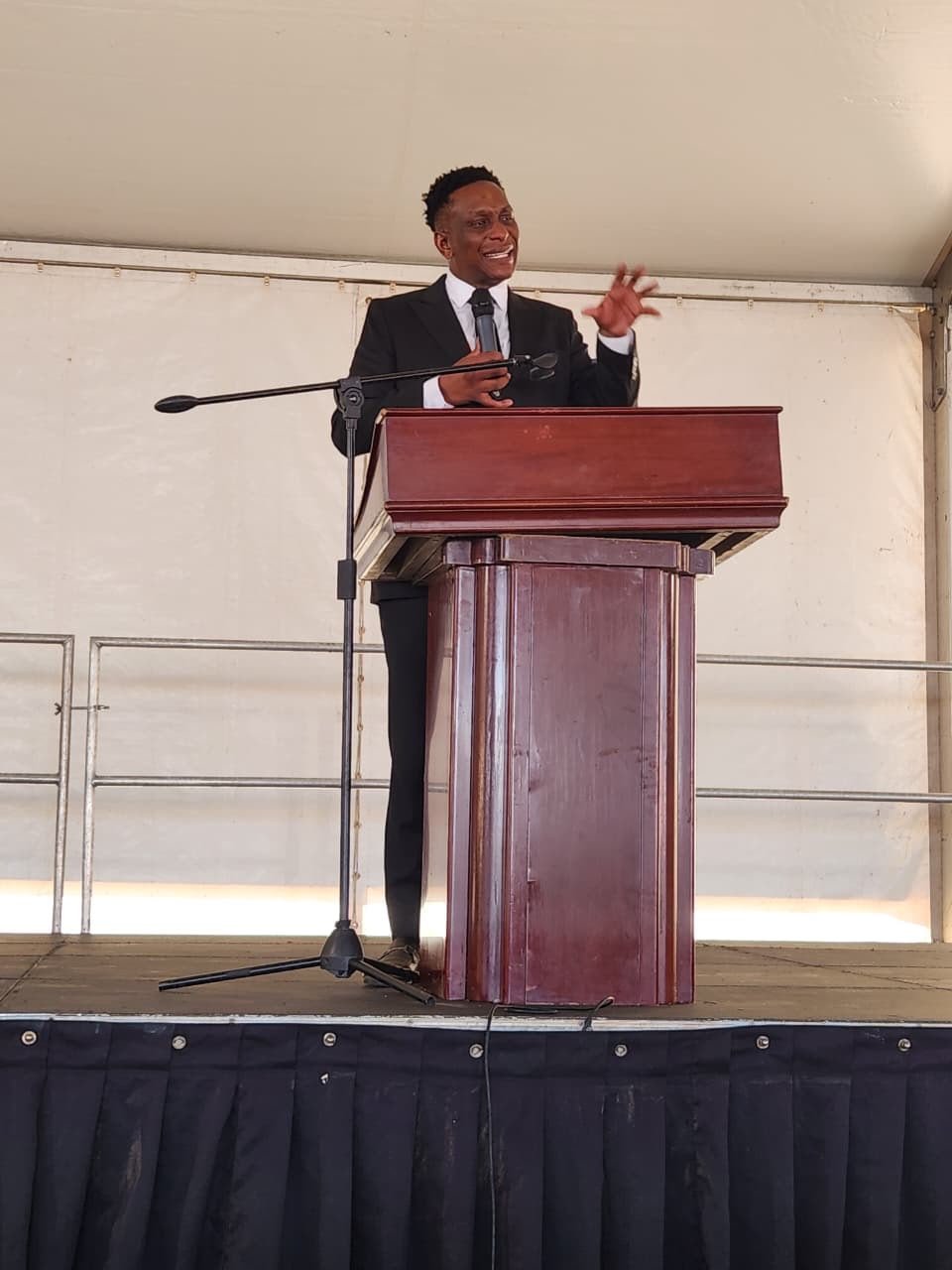
Committee chairperson Tebogo Letsie said CETA’s lack of consequence management was particularly concerning, arguing that it was taking too long to resolve issues and act on wrongdoing, even when evidence was available.
He said annual reports were an important way to assess whether public institutions had fulfilled their responsibilities.
SETAs urged to help address unemployment
Letsie said CETA had a responsibility to ensure that skills development levies paid by employers resulted in meaningful training opportunities.
He argued that sector education and training authorities should play a central role in addressing South Africa’s unemployment crisis, particularly among people who are not in employment, education or training.
“With South Africa facing a severe unemployment crisis and millions of people not in employment, education or training, the SETAs should be among the state’s primary tools for developing skills and addressing unemployment. That is why the committee looks beyond compliance,” Letsie said.
The committee’s concerns place renewed focus on the need for SETAs to improve financial accountability while ensuring that students receive funding when they need it and that public money supports effective skills development.
Follow Joburg ETC on Facebook, Twitter, TikTok and Instagram
For more News in Johannesburg, visit joburgetc.com
Source: IOL