News
Load reduction still hits large parts of Gauteng as Eskom works on feeder removals
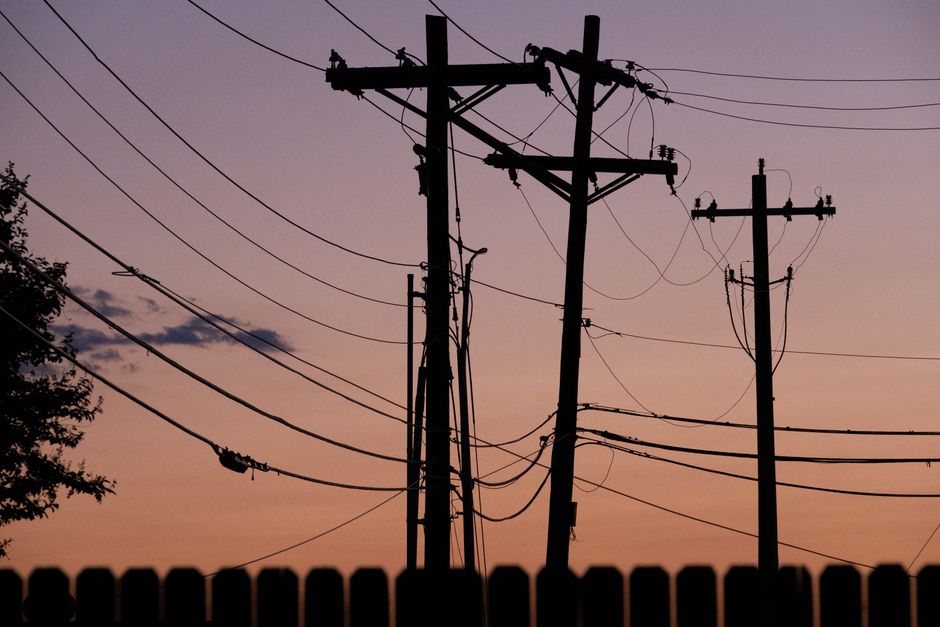
Eskom’s localised load reduction measures continue to affect hundreds of thousands of households across Gauteng, with twice-daily interruptions on specific feeders while the utility works to remove overloaded lines.
What’s happening and why
South Africa has recorded an extended run without load shedding interruptions, but load reduction remains in force in parts of Gauteng. The utility said on 12 June that its load reduction elimination programme is advancing steadily.
Load reduction is applied to specific feeders where illegal connections, meter tampering and infrastructure overloading have strained the network. The measure is used as a temporary, targeted intervention to protect equipment and communities in high-risk localised areas.
How the interruptions are being scheduled
Outages under the load reduction schedule run from 5am to 9am and again from 5pm to 10pm daily. The source lists specific blocks and the areas they cover on named dates, including 15 June and the days that follow.
Selected daily affected areas (as listed)
- Monday 15 June: Block E (including Mapetla, Protea South, Chiawelo, Protea North, Nooitgedacht and Naledi); Block F (Cuba, Graceland, Havana, Jetta, Lakeside and Palm Springs); Block J (Orange Farm, Stretford extensions, Sharpeville, Evaton and Sebokeng Units 1, 7, 8 and 12).
- Tuesday 16 June: Block A (Ivory Park Ext 8 and 10, Kaalfontein, Rabie Ridge, Duduza, Protea Glen and Meadowlands Zones 1, 2 and 7); Block H (Vereeniging, Sharpeville, Sebokeng, Etwatwa, Daveyton and Wattville).
- Wednesday 17 June: Block J (Orange Farm, Evaton, Sebokeng and Katlehong South); Block F (Cuba, Graceland, Havana, Diepkloof, Orlando East and Soweto Nomzamo); Block I (Vosloorus A and B, Mabuya Park, Spruit View Ext 1A and Mfundo Park Ext 30B).
- Thursday 18 June: Block C (Dobsonville, Naledi, Mabopane, Winterveldt, Jabulani, Emdeni, Zola and Tsakane); Block D (Rethabiseng, Kudube, Moroka, Dhlamini, Kagiso, Khutsong and Tsakane Ext 1, 8 and 11).
- Friday 19 June: Block G (Tsakane Ext 5 and 11, Klippan, Mabopane, Winterveldt, Ga-Rankuwa, Diepsloot and Mathibestad); Block B (Dube, Mofolo, Meadowlands, Luipaardsvlei, Cosmo City and Diepsloot West); Block J (Orange Farm, Evaton, Sebokeng and Zonkizizwe).
- Saturday 20 June: Block H (Vereeniging, Sharpeville, Sebokeng, Etwatwa, Daveyton and Wattville); Block I (Vosloorus, Mabuya Park, Spruit View and Mfundo Park).
- Sunday 21 June: Block F (Cuba, Graceland, Havana, Diepkloof, Orlando East and Thabiso); Block J (Orange Farm, Evaton, Stretford and Sebokeng); Block G (Tsakane, Klippan, Mabopane, Ga-Rankuwa, Winterveldt and Diepsloot).
- Monday 22 June: Block B (Dube, Mofolo, Meadowlands, Cosmo City, Luipaardsvlei and Diepsloot West); Block A (Ivory Park, Kaalfontein, Rabie Ridge, Protea Glen, Meadowlands and Westonaria).
Progress on removing feeders
Nationally, 447 feeders have been removed from load reduction against a planned target of 971 just under 46% progress. Two provinces, the Northern Cape and Western Cape, have met or exceeded their targets and achieved complete elimination.
Combined, the North West and Northern Cape cleared 12 feeders against a target of nine (133% of that combined target). Across Limpopo and Mpumalanga, 72 feeders were cleared (48% of a 150 target). The Free State and KwaZulu‑Natal saw 117 feeders cleared (60.6% of a 193 target).
Gauteng remains the most challenging: 236 feeders have been cleared in the province, representing 39% of Gauteng’s target of 604 feeders. Eskom said full elimination is targeted in seven provinces by October 2026, with Gauteng and KwaZulu‑Natal expected to follow in 2027 as targeted interventions continue.
Broader system outlook
The national grid has shown improvement. Between 5 and 11 June average unplanned outages fell to 10 143MW, down from 14 447MW over the same period in 2025 a reduction the source described as almost equivalent to the capacity of Kusile Power Station. The Unplanned Capacity Loss Factor improved to 21.18% from 29.61% in the corresponding period last year.
On 15 June Eskom said it would bring an additional 2 462MW of generation capacity online ahead of the evening peak. The evening peak demand was forecast at 26 325MW, with 30 138MW of available capacity, leaving a buffer above projected demand.
What this means for residents
For affected households, the distinction between load shedding and load reduction matters: load reduction targets specific overloaded feeders rather than the wider system. The source notes illegal connections and meter tampering as key drivers of localised overloading and infrastructure damage in the areas still on load reduction.
Readers should consult the listed block schedule to see whether their area is named on the dates provided.
Follow Joburg ETC on Facebook, Twitter, TikTok and Instagram
For more News in Johannesburg, visit joburgetc.com
Source: citizen.co.za