News
Operation Prosper to target gang kingpins after reported crime drops in Cape Flats precincts
President Ramaphosa says Operation Prosper cut violent crime in 14 of 17 Cape Flats precincts and will move to target senior gang leaders; analysts urge SAPS-led assessment.
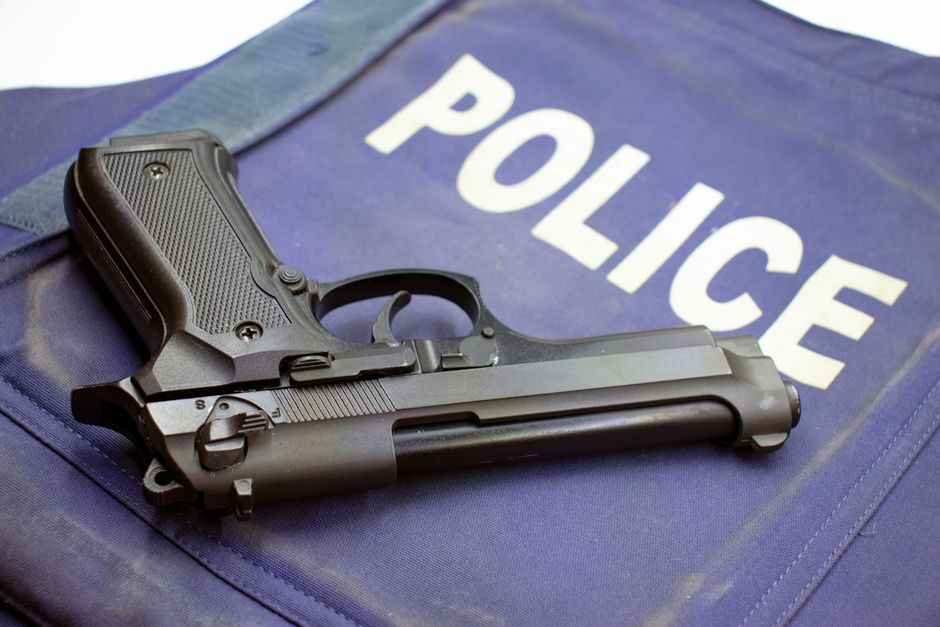
President Cyril Ramaphosa said Operation Prosper has reduced violent crime and murders in 14 of the 17 Cape Flats police precincts most affected by violence, and that authorities will shift the operation’s focus to senior gang leaders and organised crime structures.
What the president told parliament
Ramaphosa was responding to a parliamentary question from uMkhonto weSizwe Party (MKP) Member of Parliament Zibuse Cele, who had asked why the deployment of the South African National Defence Force (SANDF) alongside the South African Police Service (SAPS) had seemingly failed to achieve a meaningful reduction in killings.
Ramaphosa acknowledged that “The levels of violent crime in the affected communities remain unacceptably high,” but said the deployment had a stabilising effect in many priority areas: “However, the deployment of the South African National Defence Force (SANDF) to support the South African Police Service (SAPS) on the Cape Flats is showing some operational results.”
He attributed ongoing gang-related violence to what he called “deep-seated socio-economic conditions, entrenched criminal networks, retaliatory violence and the availability of illegal firearms.”
Assessment and next phase
Ramaphosa said the intervention was being assessed using indicators including arrests and the recovery of illegal firearms, ammunition and illicit narcotics. He added that “a comprehensive, in-depth assessment of the longer-term impact of the intervention is being undertaken to inform the continued refinement of the approach.”
Describing the operation as the first part of a phased strategy, he said the next phase would move beyond disruption to dismantling networks by “targeting the senior leaders and organisational structures of gangs and organised crime groups.”
The president said security agencies were coordinating operations through the Provincial Joint Operational and Intelligence Structure (PROVJOINTS) to enable joint planning, intelligence sharing and integrated deployment, and that efforts were under way to involve other government departments, civil society and affected communities.
Analyst raises questions about measuring success
Independent political analyst Goodenough Mashego questioned whether Operation Prosper could be judged successful on the basis of SANDF involvement. He said:
“I don’t think the assessment by the president is justified primarily because we cannot judge Operation Prosper from the point of the South African National Defence Force.”
Mashego argued the operation should be assessed through SAPS units tasked with combating gangsterism “the anti-gang unit, the crime intelligence unit, and the other units that are involved in reducing gangsterism” and said the SANDF was deployed to support police operations.
“They are force multipliers,”
he said.
“They are there to enhance the capacity of the police to do their job while not looking behind their backs.”
He added that the ultimate test of Operation Prosper should be whether authorities could identify and prosecute those directing and benefiting from organised criminal networks, and that effective intelligence, arrests and prosecutions were necessary to dismantle the criminal structures driving gangsterism.
Where things stand
The government describes Operation Prosper as shifting from stabilisation and disruption to a phase that targets leadership and organisational structures of gangs. Debate continues over the appropriate metrics and which agencies should lead assessments of the operation’s long-term impact.
Follow Joburg ETC on Facebook, Twitter, TikTok and Instagram
For more News in Johannesburg, visit joburgetc.com
Source: iol.co.za