News
UJ claims 10 national No 1 spots in Shanghai global subject rankings
The University of Johannesburg says it is South Africa’s top university in 10 subjects in the ShanghaiRanking Global Ranking of Academic Subjects released Sept 15, 2026.
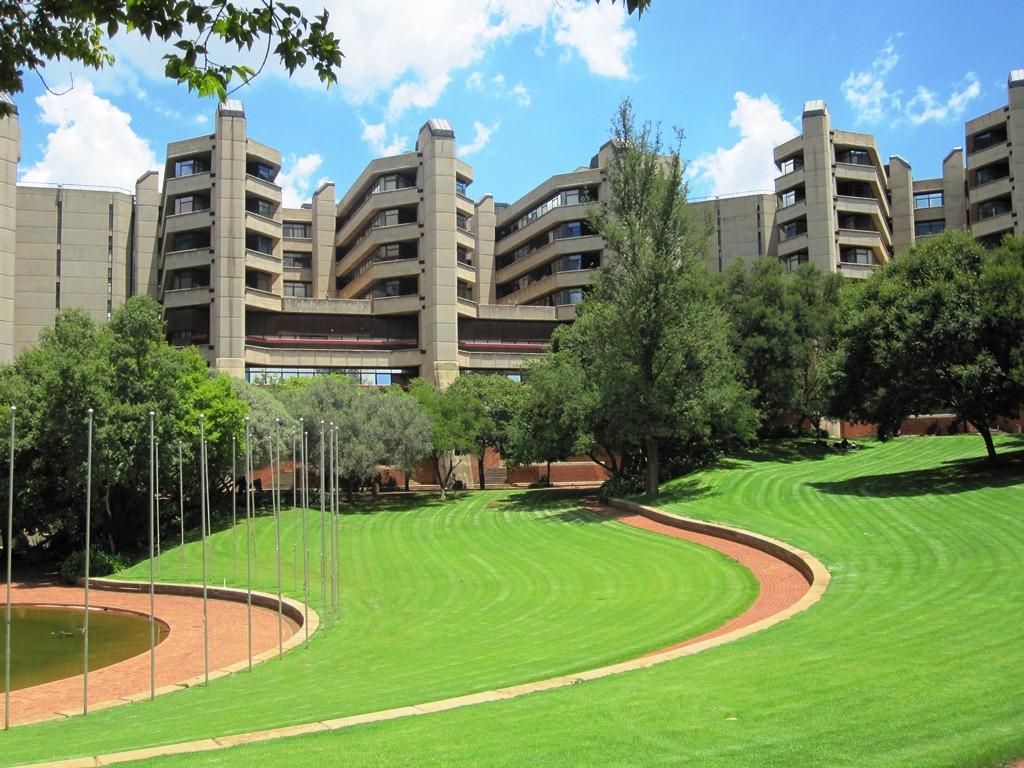
The University of Johannesburg (UJ) says it has secured South Africa’s number-one spot in 10 subjects in the latest ShanghaiRanking Global Ranking of Academic Subjects (GRAS). The ranking results, released on 15 September 2026, place UJ in the global lists across multiple disciplines, including engineering, sciences, education, business and social sciences.
Which subjects topped the nation
UJ listed its national number-one positions in the following subjects, with their global bandings as published by ShanghaiRanking:
- Hospitality and Tourism Management – No. 19 globally
- Earth Sciences – 101–150 globally
- Political Sciences – 201–300 globally
- Education – 201–300 globally
- Business Administration – 201–300 globally
- Management – 201–300 globally
- Electrical and Electronic Engineering – 301–400 globally
- Telecommunication Engineering – 301–400 globally
- Food Science and Technology – 301–400 globally
- Biotechnology – 301–400 globally
Africa and global context
The university said eight of its ranked subjects also hold the number-one position in Africa. The ShanghaiRanking GRAS evaluates 57 subjects using indicators including research output, quality, impact and collaboration, drawing on 2021–2025 data.
Reaction from UJ and partners
UJ Vice-Chancellor Professor Letlhokwa Mpedi framed the results as evidence of the university’s research depth. He was quoted saying:
“Being ranked number one in South Africa across 10 subjects, with eight leading Africa, demonstrates the strength of our academic enterprise across a remarkably broad range of disciplines.”
Mpedi also said:
“Our continued global top 20 position in Hospitality and Tourism Management, together with the return of Political Sciences and the debut of Biotechnology, shows both sustained quality and evolving research strengths.”
Translating rankings into socio-economic impact
Xolani Hadebe from Thamsanqa Career Pathways (TCP) commented on how the rankings connect to workforce development. He said the achievement reflects accumulated institutional capabilities research depth, academic expertise, high-quality publications and international collaboration and that these align with GRAS methodology.
Hadebe stressed that TCP does not interfere with academic metrics and described the organisation’s role as complementary to UJ:
“The academic and research responsibility remains with UJ. TCP’s contribution is complementary: helping create stronger pathways between UJ’s academic capability and the economy.”
He outlined TCP’s demand-driven approach to curriculum design and a model for turning academic strengths into employment, entrepreneurship and public-sector pathways, noting UJ’s standing in Hospitality and Tourism Management as an opportunity for broader ecosystem partnerships.
What GRAS measures
According to the report cited by UJ, GRAS assesses subjects using multiple indicators focused on research output and impact. The ranking uses data from a five-year period, 2021–2025.
Follow Joburg ETC on Facebook, Twitter, TikTok and Instagram
For more News in Johannesburg, visit joburgetc.com
Source: iol.co.za