News
Gulf erupts as Iran unleashes fresh strikes after supreme leader’s killing
Gulf erupts as Iran unleashes fresh strikes after supreme leader’s killing
The Middle East woke to another night of sirens, smoke and uncertainty.
Just hours after vowing revenge for the killing of its supreme leader, Iran launched a fresh wave of strikes across the Gulf on Sunday, defying a stark warning from US President Donald Trump that Washington would respond with force “never seen before.”
For millions watching around the world, it felt like the moment the crisis tipped from escalation to something far more dangerous.
Blasts across the region
Explosions were reported in Riyadh, Dubai, Abu Dhabi, Doha, Manama, Jerusalem and Tel Aviv. Israeli rescue services said four people were killed in the latest missile attack.
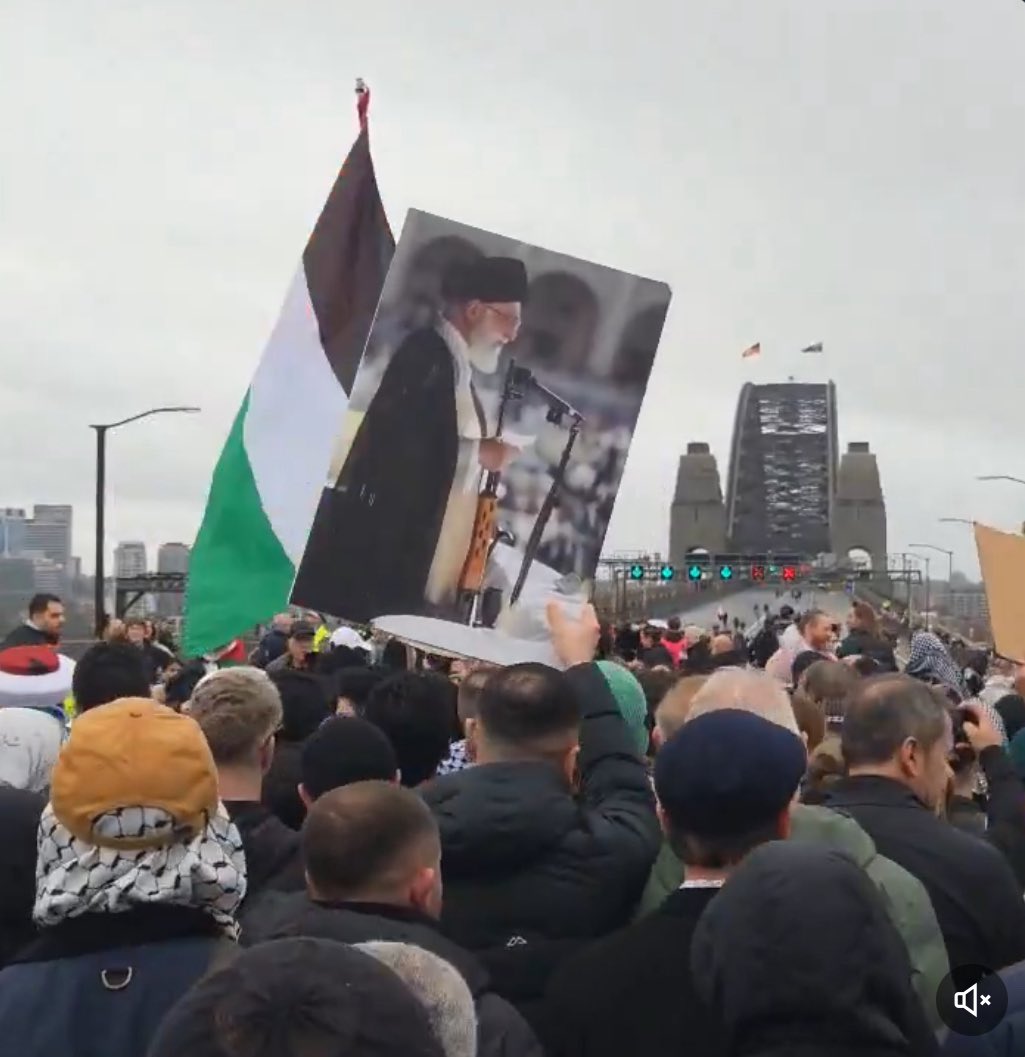
In Tehran itself, scenes were complex and deeply emotional. Crowds gathered in the capital, some grieving the loss of Ayatollah Ali Khamenei, others reportedly expressing relief. As demonstrations formed, further explosions rang out and Israel confirmed it was striking additional targets in the heart of the city.
Iran’s Revolutionary Guards described their retaliation as a “large-scale” operation. President Masoud Pezeshkian declared Khamenei’s killing a “declaration of war against Muslims,” insisting Iran had both a legitimate duty and right to avenge what he called a historic crime.
Israel, for its part, portrayed the assassination as only the beginning. Military spokesperson Lieutenant Colonel Nadav Shoshani claimed a joint operation eliminated 40 senior commanders, including Khamenei, in coordinated strikes.
The language from both sides suggests this is far from over.
Trump’s warning, and a call for uprising
From Washington, Trump doubled down. He urged the Iranian people to rise up and seize power while warning that any further aggression would trigger an unprecedented US response.
That rhetoric has added another layer of tension. Regime change talk, particularly in a country with Iran’s history, carries enormous weight.
Iran’s first retaliatory strikes had targeted Gulf states hosting US bases, sparing only Oman, which had attempted to mediate talks. But by Sunday, even Oman was drawn in. The commercial port of Duqm was reportedly hit by drones, injuring a foreign worker.
In Iraq and Pakistan, anger spilled into the streets. Crowds attempted to storm US diplomatic facilities. In Karachi, at least nine people were killed by gunshot wounds during protests outside the US consulate, according to hospital records.
The conflict is no longer contained to one battlefield.
International reactions split
Global leaders have responded with sharply different tones.
Pope Leo XIV appealed for both sides to break what he described as a “spiral of violence.” China condemned Khamenei’s killing as a violation of Iranian sovereignty.
France, however, expressed satisfaction at the death of what it called a “bloodthirsty dictator.”
The world is divided, morally, politically and strategically.
In the Gulf region, foreign missions have begun issuing urgent advisories. Britain urged its citizens to shelter in place. The US embassy in Jordan advised Americans to avoid the compound, while in Bahrain citizens were told to steer clear of hotels after one was damaged in a strike.
Meanwhile, Iran’s Red Crescent reported that US and Israeli strikes have killed 201 people and injured hundreds more. Among those confirmed dead are Ali Shamkhani, a senior adviser to Khamenei, and General Mohammad Pakpour, head of the Revolutionary Guards.
Iran’s retaliatory attacks on Saturday killed at least two people in Abu Dhabi and another in Tel Aviv.
Each number deepens the cycle.
The succession question
Even before his death at 86, Khamenei’s succession was a matter of intense speculation.
Now, the question has become urgent.
On Sunday, Iran appointed Ayatollah Alireza Arafi to join President Pezeshkian on an interim leadership council while a permanent successor is chosen.
Many analysts expect the Revolutionary Guards, already deeply embedded in Iran’s political and economic systems to consolidate greater power during this transition.
Adding another twist, Reza Pahlavi, the exiled son of Iran’s last shah, declared that the Islamic Republic had effectively ended with Khamenei’s death. Speaking from exile near Washington, he positioned himself as a transitional figure toward secular democracy, though his support within Iran remains far from universal.
The power vacuum could be as destabilising as the missile strikes themselves.
Why this matters beyond the Middle East
If there’s one reality global markets and governments understand, it’s this: instability in the Gulf rarely stays local.
The region is home to critical energy infrastructure and strategic waterways. Prolonged conflict could disrupt shipping routes and send oil prices soaring, something already worrying investors and policymakers worldwide.
For countries like South Africa, which import much of their fuel, any sustained spike in oil prices would translate quickly into higher petrol costs and renewed pressure on inflation.
It’s a stark reminder that geopolitics can land directly in household budgets.
Where does this go from here?
Right now, the situation feels combustible.
There are multiple fronts, multiple actors and multiple motivations at play, revenge, deterrence, regime stability, global influence. The language on all sides is hardening.
But history shows that even the most intense escalations can sometimes give way to negotiation, particularly when economic and political costs rise too high.
The coming days will determine whether this crisis becomes a prolonged regional war or a turning point that reshapes Iran’s leadership and the balance of power in the Middle East.
For now, the Gulf remains on edge and the world is watching every move.
{Source: IOL}
Follow Joburg ETC on Facebook, Twitter , TikTok and Instagram
For more News in Johannesburg, visit joburgetc.com