Business
Rand takes sharp hit after Middle East conflict rattles global markets
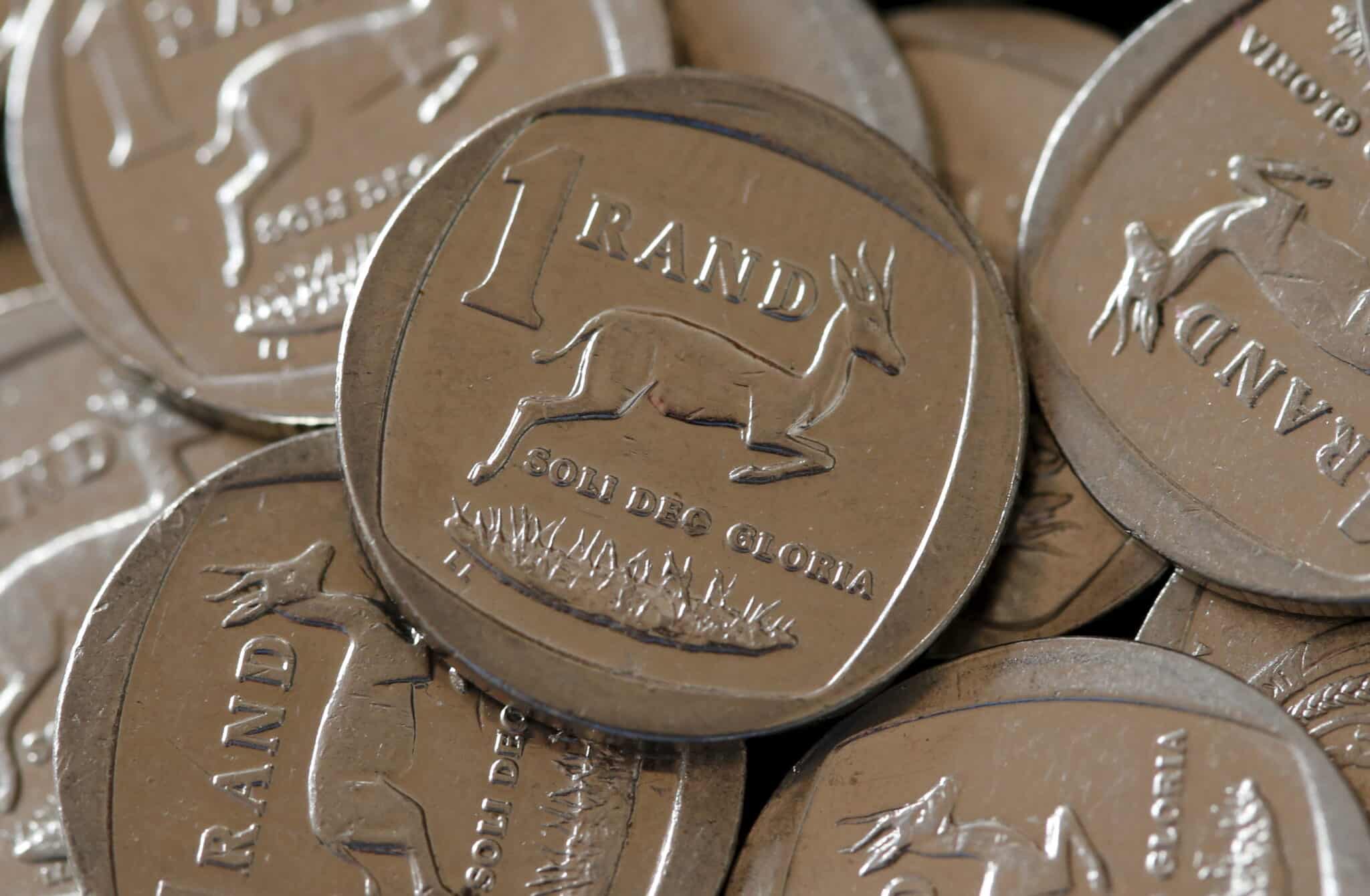
South Africans watching the exchange rate this week may have noticed something unsettling. The rand has taken a sharp knock against the US dollar after sudden military escalation in the Middle East sent shockwaves through global financial markets.
The currency, which had been trading relatively steadily in late February, slid rapidly once news broke of a major military strike involving the United States and Israel against Iran. Markets reacted almost immediately. Oil surged, investors scrambled for safer assets, and emerging market currencies like the rand found themselves under pressure.
By Thursday, the local currency had weakened to around R16.64 to the dollar. That marked its weakest level since late December and represented a drop of more than four percent in just one week. By Friday, 6 March, the rand was hovering close to the R16.60 level.
For a currency that often mirrors global risk sentiment, the sudden shift was hardly surprising.
Why global tensions hit the rand so quickly
When geopolitical tensions escalate, investors tend to move their money into traditional safe havens such as the US dollar or gold. Emerging market currencies often lose ground in the process, and the rand is particularly sensitive to these swings.
The latest turmoil followed the launch of a US military operation in the Middle East on 28 February. The attack killed Iran’s Supreme Leader and other senior figures, pushing the region closer to broader conflict and leaving global markets unsettled.
Oil markets reacted sharply, which added further pressure on currencies tied to developing economies.
The rand was not the only one feeling the heat. It also weakened against other major currencies this week, slipping about 2.6 percent against the euro and more than 3 percent against the British pound.
Some surprising resilience beneath the volatility
Despite the sharp weekly drop, economists point out that the rand’s longer-term performance tells a slightly different story.
Compared to the same period last year, the currency is actually stronger against the US dollar by more than nine percent. That underlying strength has surprised some analysts, especially considering the ongoing volatility in global markets.
Part of that resilience comes from commodities.
South Africa remains one of the world’s key producers of precious metals, and recent gains in gold and platinum prices have helped soften the blow. When global uncertainty rises, demand for gold often increases, which can indirectly support the rand.
Economist Sifiso Skenjana also highlighted another unexpected factor linked to the Middle East conflict. If shipping routes near the Strait of Hormuz remain disrupted, more vessels could potentially reroute around the southern tip of Africa.
That shift could increase port-related activity around Cape Agulhas and other South African maritime routes, creating additional revenue opportunities for the country.
What economists say could happen next
The big question now is whether the rand’s weakness will persist or prove temporary.
Some analysts believe the impact may remain limited if tensions ease relatively quickly. Chief economist Annabel Bishop has suggested that while the conflict has clearly shaken markets, its effect on South Africa’s currency may not become severe unless the situation escalates further.
However, if the war drags on or spreads across the region, the economic ripple effects could grow.
Currency strategist Bianca Botes outlined three possible scenarios for how events might unfold.
The most likely outcome, with roughly a sixty percent probability, is a short period of disruption. In this case, tensions cool within weeks, oil prices stabilise between seventy and eighty dollars per barrel, and the rand gradually moves back toward the R15.80 to R16.00 range.
A more difficult scenario would involve several weeks of elevated tension. Oil could climb closer to one hundred dollars per barrel, inflation pressures would increase globally, and emerging market currencies could stay under pressure.
The least likely but most severe possibility involves direct damage to key energy infrastructure in the region. If that happened, oil prices could surge above one hundred and twenty dollars per barrel, global energy supplies could tighten, and recession risks would climb.
Why South Africans are watching the rand closely
For ordinary South Africans, the exchange rate is more than just a number on a financial chart. A weaker rand often feeds into higher fuel prices, more expensive imports, and eventually higher inflation.
That is why every global shock, whether geopolitical or economic, tends to spark debate on social media and in business circles across the country.
For now, markets are waiting to see whether tensions in the Middle East ease or intensify. The answer will likely determine whether the rand’s latest slide turns into a brief wobble or something more serious.
Follow Joburg ETC on Facebook, Twitter, TikT
For more News in Johannesburg, visit joburgetc.com
Source: Business Tech
Featured Image: CNBC Africa