A shift in how South Africans move and pay
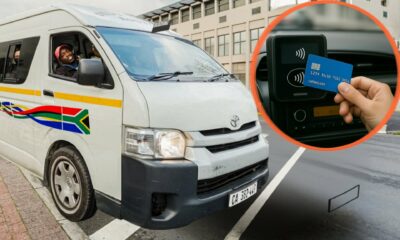
Cash might still rule many everyday transactions in South Africa, but the country’s ride-hailing space is clearly moving in a new direction. Mobility platform inDrive has officially rolled out cashless payments in South Africa, adding card options to its existing mix of cash and local payment methods.
For many users who rely on the app daily, this update isn’t just a technical upgrade it’s a reflection of how travel, payments, and convenience are changing in real time across cities like Johannesburg, Cape Town, and Durban.
The move strengthens inDrive’s position as a flexible alternative in the e-hailing space, where riders and drivers already negotiate fares directly inside the app instead of relying on fixed pricing models.
Why cashless payments matter now
The decision to introduce card payments wasn’t random. Insights from inDrive’s local research show growing demand for digital payments among both passengers and drivers.
Some of the most common use cases include:
- Areas where cash access is limited
- Booking rides for someone else
- Tourists arriving without local currency
- Families coordinating transport remotely
In these situations, cash can be inconvenient or even impractical. Card payments help reduce friction and make trips smoother from booking to drop-off.
The shift also aligns with broader payment trends in South Africa. According to the dLocal Emerging Markets Payments Handbook, cards already account for 63% of eCommerce transactions in the country a strong signal that digital-first behaviour is becoming mainstream.
Not replacing cash, but expanding choice
Despite the new rollout, inDrive is not moving away from cash. Instead, the platform is doubling down on flexibility.
Users in South Africa will still be able to:
- Pay in cash where it remains preferred
- Use local payment methods such as PayShap where available
- Choose card payments for added convenience
This hybrid approach reflects a reality on the ground: South Africa is digitally progressive, but cash is still deeply embedded in everyday life.
According to Ashif Black, inDrive’s Country Representative in South Africa, the goal is not to force a single system but to adapt to how people already live and pay.
The message is simple riders should choose what works for them, not what a platform dictates.
Built for emerging market realities
Behind the scenes, the rollout is powered through integration with dLocal, a cross-border payment platform focused on emerging markets.
This setup allows inDrive to:
- Process local card payments efficiently
- Split earnings between drivers and platform fees automatically
- Enable faster driver payouts through local systems
It’s a technical foundation designed for markets where payment habits are diverse and infrastructure varies widely from one area to another.
What this means for South African users
On the surface, it’s a simple update: you can now pay by card.
But in practice, it signals something bigger ride-hailing in South Africa is becoming more flexible, more digital, and more aligned with global payment habits while still respecting local realities.
For drivers, it could mean fewer cash-handling risks and faster payouts. For passengers, especially tourists and urban professionals, it removes one more point of friction in daily travel.
And for a country where transport is already a daily balancing act between cost, convenience, and safety, that flexibility matters.
A small change with a bigger direction
South Africa’s mobility market is evolving quickly, and cashless payments are just one part of that shift. What makes inDrive’s approach stand out is that it isn’t trying to erase cash it’s trying to sit alongside it.
In a country where payment habits are still diverse, that middle-ground strategy may be exactly what keeps the platform relevant.
As digital adoption grows and users become more comfortable with multiple payment options, this rollout could quietly reshape how everyday rides are paid for one trip at a time.