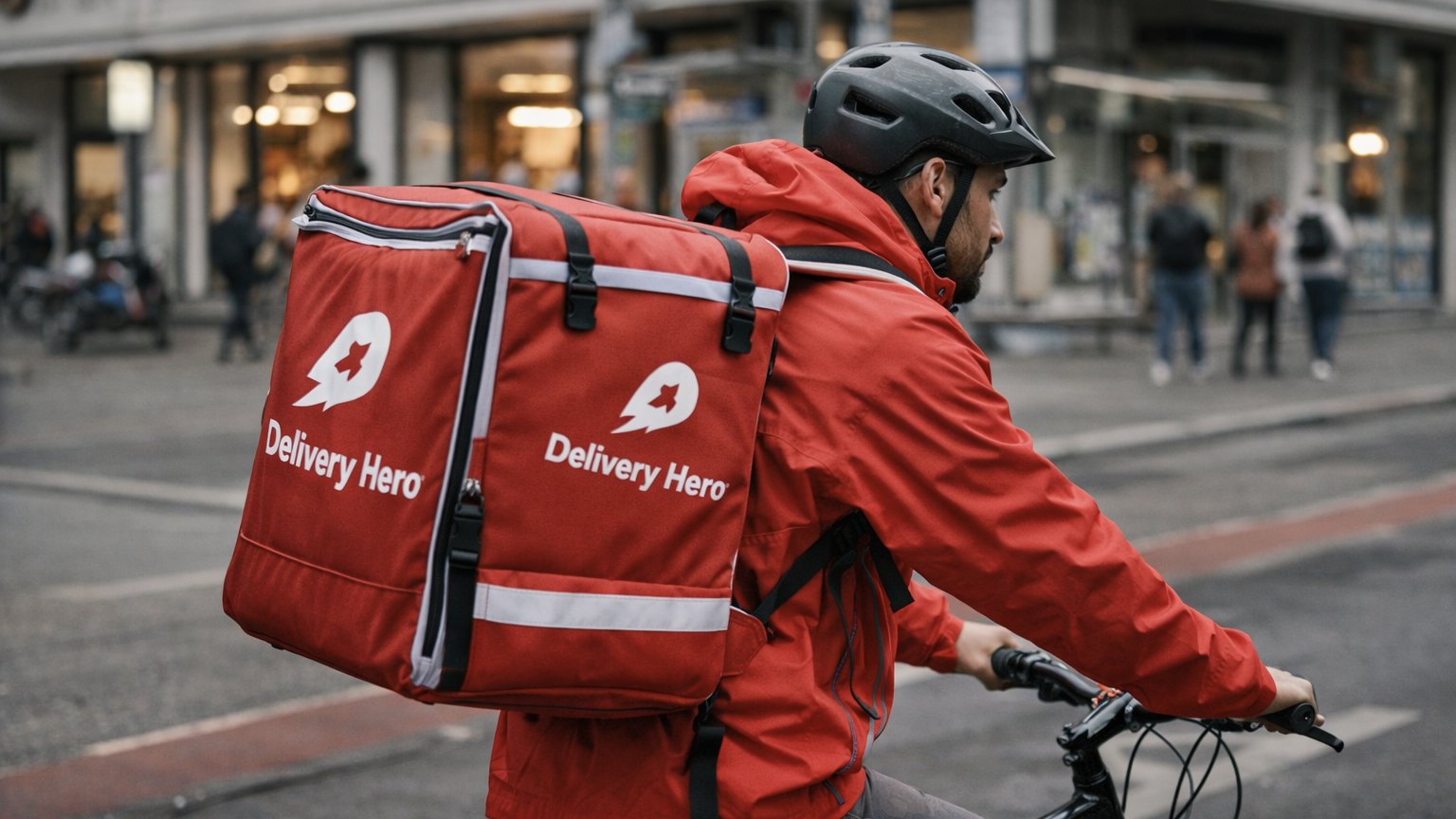
Naspers cashes in as Uber buys R5.2 billion slice of Delivery Hero
South Africa’s corporate heavyweight is making another bold move on the global chessboard. Naspers, through its international investment arm Prosus, has sold a major stake in food delivery giant Delivery Hero to Uber in a deal worth around R5.2 billion.
For many South Africans, Naspers is still remembered as the media company behind newspapers and household brands. But over the last two decades, it has transformed into one of the country’s most influential tech investors and this latest transaction shows just how global that footprint has become.
Why this deal happened
The sale involves 13.5 million Delivery Hero shares, equal to roughly 4.5% of the company’s issued share capital. The shares were sold to Uber at €20 per share, which is reported to be a premium above recent market averages.
The transaction follows Prosus’s recent move to acquire Just Eat Takeaway, one of Europe’s biggest online food delivery platforms. As part of regulatory conditions linked to that takeover, the European Commission required Prosus to trim its holding in Delivery Hero.
In simple terms: regulators wanted less overlap in the food delivery market, and this share sale helps make that happen.
What it means for Naspers and Prosus
Even after the sale, Prosus remains a significant shareholder in Delivery Hero. Its stake will reduce from 26.3% to 21.8%, meaning it still has a sizeable interest in the business.
That matters because Prosus has built a strategy around backing high-growth digital platforms especially in food delivery, classifieds, fintech and ecommerce.
This is not a company walking away. It is a company reshuffling its portfolio.
Why South Africans should care
Naspers remains one of the most valuable companies linked to the Johannesburg Stock Exchange. Through its broader group, it has interests in brands familiar to locals, including Takealot, Mr D, Property24 and AutoTrader.
So when Prosus makes moves internationally, it can affect investor sentiment at home too.
Many South African retail investors watch Naspers closely because its fortunes often ripple across pension funds, unit trusts and the wider market.
The Tencent factor still looms large
Despite expanding into many sectors, much of Naspers and Prosus’s valuation is still tied to their historic investment in Tencent the Chinese technology giant behind WeChat and a massive gaming empire.
That famous Tencent bet is often called one of the greatest investments in modern corporate history.
Still, deals like this one show Naspers is trying to prove it is more than just a Tencent story.
Public reaction: Smart strategy or more complexity?
Online reaction from market watchers has been mixed.
Some investors see the sale as disciplined portfolio management taking cash, meeting regulatory demands and staying flexible.
Others continue to question whether the group’s complex structure between Naspers and Prosus still makes it difficult for ordinary shareholders to unlock full value.
That debate has followed the company for years.
Bigger picture: Uber wants more than rides
For Uber, the purchase signals continued interest in delivery beyond taxis and ride-hailing. Globally, the company has been investing heavily in food logistics, convenience and grocery ecosystems.
Owning part of Delivery Hero could strengthen that long-term strategy.
This is more than a share sale. It is another sign that a company born in South Africa continues to influence billion-rand deals across continents.
From Cape Town boardrooms to Berlin delivery markets and Silicon Valley ambitions, Naspers remains one of the few South African corporate names that can still move global headlines.