Markets on edge as Iran-US tensions rise before ceasefire deadline
Global investors began the week with one eye on trading screens and the other on the Middle East.
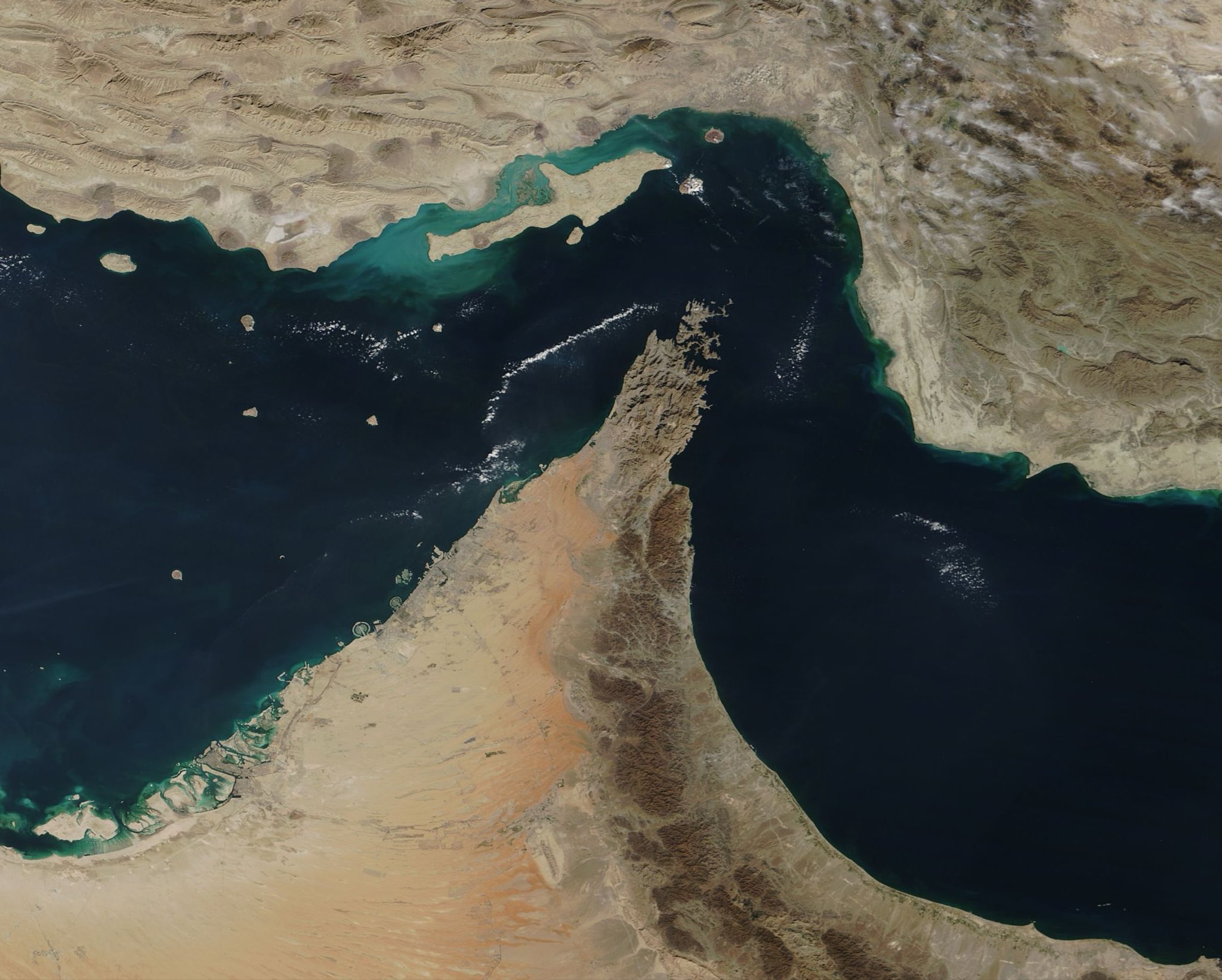
After a strong finish on Wall Street last week, market sentiment shifted sharply as tensions between Iran and the United States intensified ahead of a ceasefire deadline expected on Tuesday. Iran signalled it would not enter talks with Washington until the current ceasefire period ends, adding a fresh layer of uncertainty to already nervous markets.
For traders, uncertainty is often more unsettling than bad news itself.
Wall Street mood changes overnight
Just days earlier, US markets had ended on a high note, with the S&P 500 closing a record-breaking week with gains.
But by Monday morning, futures pointed lower, suggesting investors were pulling back as geopolitical risk returned to centre stage.
This kind of fast reversal is common when global politics collide with markets. One headline can erase optimism built over several sessions.
Financial analyst Bianca Botes said traders had become increasingly cautious as tensions simmered.
Asia holds firm despite uncertainty
While the US mood cooled, parts of Asia showed more resilience.
Major indexes in South Korea and Japan posted gains, helped largely by technology shares.
That said, investors across the region appeared selective rather than confident. Markets often rise on strong sectors even when broader anxiety remains.
Oil jumps as traders price in risk
The clearest reaction came from energy markets.
Brent crude climbed sharply to around $95 per barrel, reflecting fears that any escalation in the region could disrupt supply routes or increase production risks.
That matters deeply for South Africans.
Higher oil prices often filter directly into local petrol and diesel costs, putting pressure on transport prices, food inflation and household budgets. Every jump in crude can eventually be felt at the pump in Johannesburg, Durban or Cape Town.
Gold slips while dollar firms
Interestingly, gold moved lower while the US dollar strengthened.
Normally, gold benefits during global stress. But markets are rarely simple. In some cases, investors rush first into cash and the dollar before rotating into precious metals later.
The stronger dollar also matters locally because commodities and imported goods become more expensive for countries using weaker currencies.
Rand stays surprisingly steady
Despite global nerves, the South African rand remained relatively stable against major currencies.
That resilience may reflect confidence in local markets, temporary calm, or simply the fact that traders are still waiting for clearer signals before making aggressive moves.
For South Africans, a stable rand can help soften imported inflation pressures at least for now.
Social media reaction: “Brace for petrol pain”
Online reaction has been predictable and practical. Many South Africans focused less on geopolitics and more on what it could mean for fuel prices next month.
Posts warning of another petrol hike, rising grocery costs and transport fare pressure quickly gained traction.
It is a reminder that global conflict often lands first in local wallets.
What to watch next
The coming days are critical.
If diplomatic channels reopen after the ceasefire deadline, markets could recover quickly. If rhetoric hardens or conflict widens, volatility may deepen across stocks, currencies and commodities.
For now, investors are doing what markets do best during uncertain times: waiting, hedging and watching every headline.