Business
Oil prices plunge as Trump says Iran war is “pretty much” over
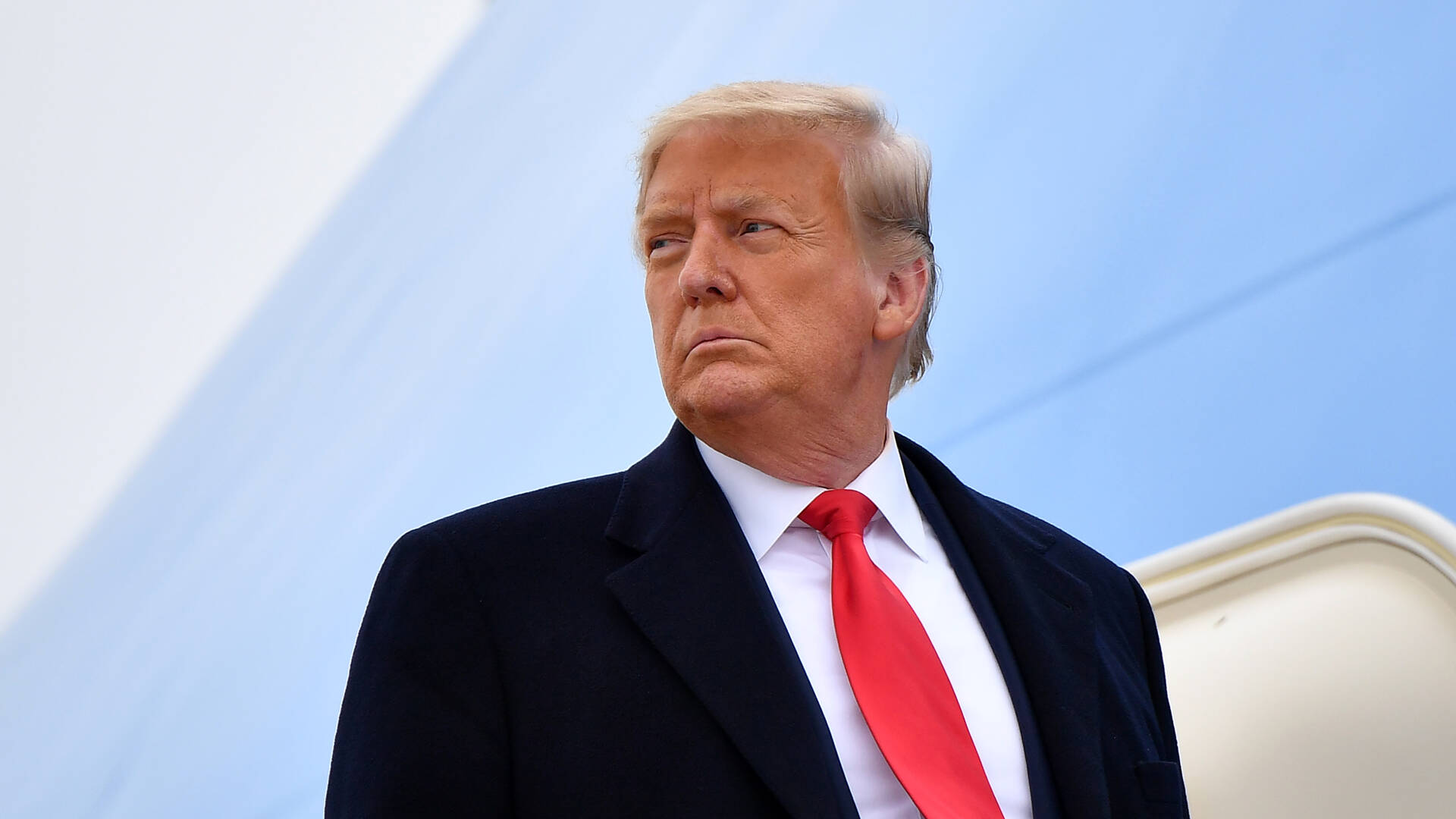
Global markets took a dramatic turn on Tuesday after United States President Donald Trump suggested that the conflict involving the US, Israel, and Iran could be close to finishing.
Oil prices dropped sharply while stock markets surged, a sign that investors are betting the worst of the crisis may already be behind them. The sudden shift followed days of extreme volatility linked to fears that the Middle East conflict could spiral into a much larger global disruption.
Markets react to unexpected comments
Speaking to CBS News, Trump said the campaign against Iran was moving far quicker than his original timeline.
He told the broadcaster that the war was “pretty much complete,” claiming Iran’s military capacity had been heavily damaged. According to Trump, Iran had effectively lost its naval power, air force, and communication systems.
He also told reporters in Florida that the conflict could end soon, adding that if fighting restarted, the response would be even stronger.
Those remarks sent immediate ripples through financial markets. Traders quickly pushed oil prices down by around ten percent, signalling reduced fears about a prolonged conflict in one of the world’s most critical energy regions.
Just a day earlier, the market had seen the opposite reaction. Oil prices surged nearly 30 percent during Monday’s trading before falling again, reflecting deep uncertainty about how the war might unfold.
Oil markets swing wildly
The Middle East remains central to the global oil supply, and any disruption there can cause instant shockwaves across the energy market.
At the height of Monday’s panic, crude prices climbed above $119 per barrel. Within hours, they dropped to about $84 before stabilising again as new information emerged about diplomatic efforts and supply discussions among major economies.
By early Tuesday trading, Brent crude was down just over ten percent to roughly $88.95 per barrel. West Texas Intermediate fell to around $85.29.
These sudden swings highlight just how sensitive global markets are to developments in the region.
Strait of Hormuz remains a key concern
Despite the market relief, tensions around the Strait of Hormuz remain a major factor.
The narrow shipping route carries roughly one-fifth of the world’s oil supply. Iran blocked the Strait following US and Israeli strikes, creating immediate fears of a supply shock.
Several vessels have reportedly come under attack near the waterway since the blockade began. The situation prompted urgent diplomatic discussions among global powers.
France confirmed that it is working with allies on a defensive mission aimed at reopening the shipping corridor and restoring normal maritime traffic.
Shipping companies are already adjusting their operations. Major global carrier MSC has suspended some export shipments from the Gulf region, while state energy firms in Bahrain, Qatar, and Kuwait have warned that disruptions could affect export commitments.
Regional tensions still simmer
Even as markets reacted positively to Trump’s comments, the broader situation remains fragile.
Iran’s Revolutionary Guards said they would determine how and when the war ends, suggesting that the conflict may not conclude as quickly as some investors hope.
Meanwhile, Saudi Arabia said it intercepted a drone targeting an oil field in the kingdom’s eastern region near the border with the United Arab Emirates. Incidents like this continue to highlight how quickly tensions can spread across the wider region.
Trump also warned that any attempt by Tehran to block oil supplies through the Strait of Hormuz could trigger an attack of “incalculable” scale.
Stock markets surge worldwide
While oil dropped, stock markets moved sharply in the opposite direction.
Wall Street finished higher after reversing early losses, and Asian markets followed with strong gains. South Korea’s Kospi jumped more than six percent while Japan’s Nikkei rose over three percent.
Other markets across Hong Kong, Shanghai, Sydney, Singapore, and Jakarta also recorded solid gains as investors reacted to the possibility that the conflict could wind down faster than expected.
Currency markets also saw modest shifts, with the euro and pound strengthening slightly against the dollar.
A reminder of how quickly markets can turn
Analysts say the past 24 hours have been a dramatic lesson in how geopolitical tensions can rapidly reshape financial markets.
Traders saw huge reversals across oil, equities, and currencies within hours as headlines from the Middle East changed the outlook for the global economy.
Even with Tuesday’s relief rally, uncertainty remains high. The energy market in particular is still pricing in risk, especially while tensions around the Strait of Hormuz remain unresolved.
For now, investors appear cautiously hopeful that the most intense phase of the crisis may be passing. But as events in the region continue to evolve, markets are likely to remain on edge.
Follow Joburg ETC on Facebook, Twitter, TikT
For more News in Johannesburg, visit joburgetc.com
Source: IOL
Featured Image: NOS