News
Iran Warns It Will Block Gulf Oil Exports As War With US And Israel Escalates
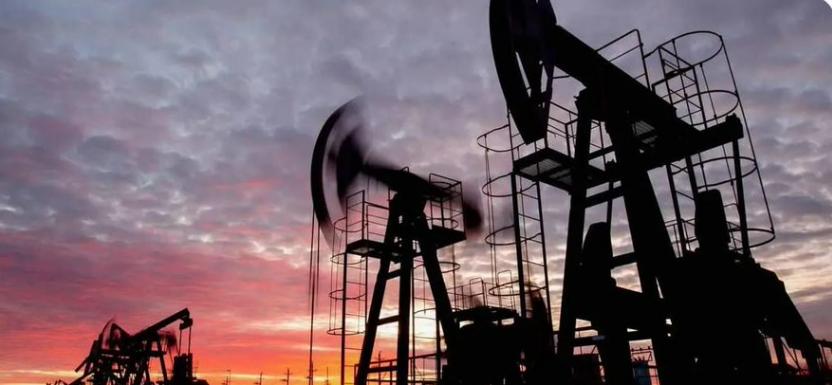
Tensions in the Middle East have taken another dramatic turn after Iran warned that no oil would leave the Gulf region while its war with the United States and Israel continues.
The declaration from Iran’s powerful Revolutionary Guards signals a dangerous escalation in a conflict that is already shaking global energy markets and rattling governments around the world.
With nearly one fifth of the world’s crude oil moving through the Strait of Hormuz, any disruption in the area could ripple far beyond the Middle East, affecting fuel prices and economic stability globally.
Iran Vows To Halt Oil Flow From The Gulf
Iran’s Islamic Revolutionary Guard Corps (IRGC) delivered the blunt message on Tuesday, warning that it would not allow “a single litre of oil” to reach what it called hostile nations or their allies.
The statement came as the conflict with the United States and Israel continues to intensify.
Iranian officials insisted the country’s armed forces would ultimately decide how and when the war ends. The remarks reflect the confidence of Iran’s leadership following a leadership transition after the killing of the previous supreme leader.
Iran’s new supreme leader, Ayatollah Mojtaba Khamenei, now presides over a country that has signalled it is prepared for a prolonged confrontation.
Foreign Minister Abbas Araghchi reinforced that message during an interview with PBS, saying Iran’s military would continue launching missile attacks against its enemies if necessary.
Strait Of Hormuz Becomes Global Flashpoint
The crisis has placed enormous pressure on the Strait of Hormuz, a narrow but vital shipping corridor connecting the Gulf to global markets.
Iran has already targeted ships passing through the route after strikes by the United States and Israel inside Iranian territory. Those attacks included operations that killed Iran’s former supreme leader, dramatically escalating hostilities.
Because the strait carries almost 20 percent of the world’s oil supply, any sustained disruption could trigger major consequences for international energy markets.
The uncertainty has already caused sharp swings in global oil prices. At one point this week, crude surged past $100 per barrel, briefly jumping nearly 30 percent in a single day before retreating.
Trump Claims War Could End Soon
US President Donald Trump attempted to calm markets by suggesting the war could soon come to an end.
Speaking at a press conference in Florida, Trump said the United States had already achieved significant victories and predicted the conflict might be resolved quickly.
His comments briefly reassured financial markets. European gas prices fell around 15 percent, while Asian stock markets recovered after heavy losses the day before.
However, Trump also issued a stark warning. He said that if Iran continued to interfere with oil exports, the United States could launch devastating military strikes against the country.
Regional Fallout Already Spreading
Even as markets stabilised temporarily, the wider region continues to feel the shockwaves.
Egypt has already raised fuel prices by as much as 30 percent, while Pakistan announced it would deploy naval escorts to protect commercial shipping routes.
Turkey also revealed that NATO had moved a Patriot air defence system into the country after ballistic missiles were intercepted in its airspace.
Meanwhile, the conflict is spilling into neighbouring territories. Air strikes in northern Iraq killed fighters from a Tehran-backed armed group, while Israel carried out new attacks in Lebanon.
Global Powers Seek To Reopen Shipping Route
European leaders are now exploring ways to protect global shipping lanes.
French President Emmanuel Macron said his country and its allies were working on a defensive mission aimed at eventually reopening the Strait of Hormuz once the most intense phase of fighting subsides.
The goal would be to escort commercial vessels safely through the corridor and prevent further disruptions to global energy supplies.
For now, however, the future of the region remains uncertain.
As military threats escalate and key shipping lanes remain under pressure, the conflict between Iran, the United States and Israel is increasingly becoming a global economic and geopolitical crisis, with the world watching closely to see what happens next.
{Source:EWN}
Follow Joburg ETC on Facebook, Twitter , TikTok and Instagram
For more News in Johannesburg, visit joburgetc.com