Ramaphosa insists NHI rollout is still on track despite legal battles
South Africa’s ambitious plan to overhaul its healthcare system is still moving forward, even as legal challenges swirl around it.
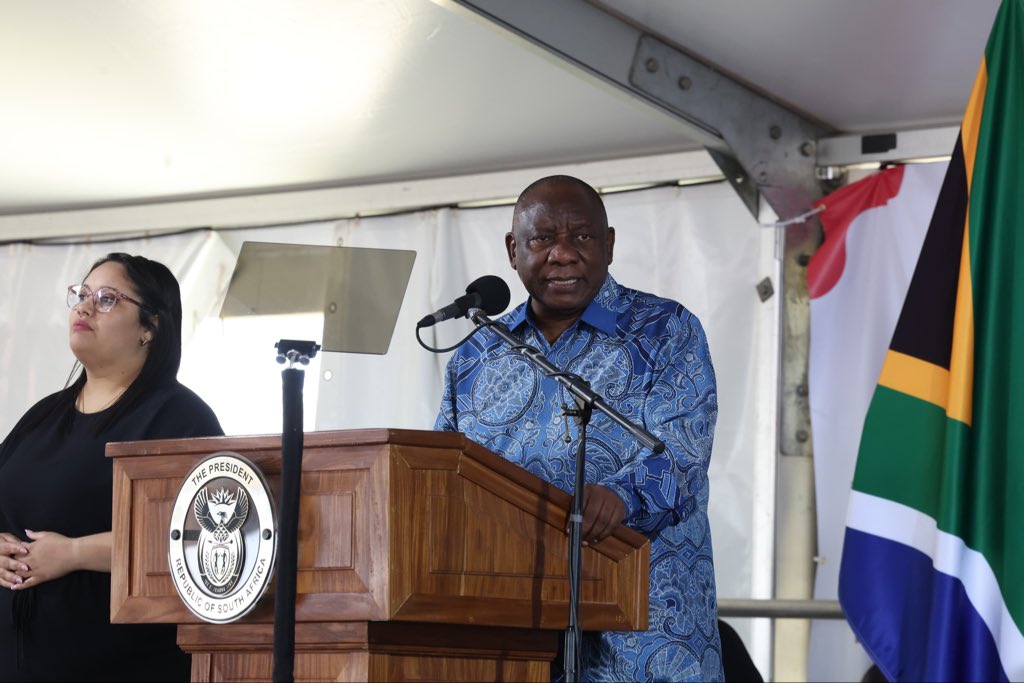
That was the message from Cyril Ramaphosa, who told Parliament this week that the National Health Insurance Act remains firmly on the government’s agenda.
Speaking during a question-and-answer session in the National Assembly of South Africa, the president insisted the country’s long-debated healthcare reform is far more than political rhetoric.
“It’s not just a pipe dream,” he said, responding to questions from Julius Malema, leader of the Economic Freedom Fighters.
Legal challenges slowing the process, but not stopping it
The NHI plan, which aims to create a universal healthcare system in South Africa, is currently facing legal scrutiny.
Several groups have challenged the legislation in court, arguing that aspects of the law and the public participation process used during its adoption were flawed.
The matter is scheduled to be heard by the Constitutional Court of South Africa in May.
Because of this, the government has delayed formally proclaiming certain sections of the law until the court has ruled.
But Ramaphosa said the legal process will not derail the broader work already underway to prepare the country’s health system for the reform.
Preparations by the Department of Health, he explained, are continuing in the background.
Building the foundations of a new health system
According to Ramaphosa, the work happening behind the scenes is extensive.
One major focus is the development of digital health systems that would allow patient information to be shared between doctors, hospitals and clinics both in the public and private sectors.
The president said this would make it possible for patients to move between healthcare providers without losing their medical records.
Alongside digital reforms, government is also investing in physical infrastructure.
Projects include:
-
Rebuilding ageing hospitals
-
Constructing new clinics and health centres
-
Improving governance within public hospitals
Ramaphosa said national and provincial health departments are also working to employ more doctors, nurses and community health workers.
The global push behind universal healthcare
The concept behind the NHI is not unique to South Africa.
Ramaphosa noted that universal healthcare has been widely supported by the World Health Organization and endorsed by the United Nations General Assembly as a global development goal.
For South Africa, the NHI is meant to address one of the country’s most persistent inequalities: the divide between public and private healthcare.
Currently, a relatively small portion of the population relies on private medical schemes, while the majority depend on the public system which often struggles with limited resources and overcrowded facilities.
Malema presses for immediate improvements
While Malema broadly supports the idea of universal healthcare, he used the parliamentary session to highlight the urgency of fixing problems in the system right now.
He reminded the president that the EFF had previously proposed legislation requiring clinics to operate 24 hours a day, a bill that was rejected by Parliament.
Malema argued that communities cannot afford to wait years for improvements.
“People are sick now,” he said during the debate, warning that delayed reforms could leave vulnerable communities without adequate care.
Ramaphosa agrees, but says staffing is the challenge
In response, Ramaphosa acknowledged that 24-hour clinics would be ideal for many communities.
In fact, he said such requests frequently come up during his visits to rural areas.
However, he pointed out that simply keeping clinics open requires a reliable workforce.
Facilities would need enough nurses on shift and ideally a doctor available on standby something that is not always possible given current staffing shortages.
Interestingly, Ramaphosa suggested that extending clinic hours may not require new legislation, but could instead be introduced through regulations from the health department.
Still, he said the biggest obstacle remains funding.
Despite training many healthcare professionals, government often lacks the budget to employ them all.
A healthcare reform that could reshape South Africa
The NHI debate has become one of the most consequential policy discussions in modern South African politics.
Supporters argue it could bring the country closer to fair and universal access to healthcare.
Critics warn it may place enormous strain on public finances and disrupt the private healthcare sector.
Online reactions to Ramaphosa’s comments reflect this divide.
Some South Africans welcomed the president’s commitment to moving forward, saying the current healthcare inequality cannot continue.
Others questioned whether the government has the resources to implement such an ambitious reform.
What is clear, however, is that the NHI conversation is far from settled.
With court hearings approaching and the healthcare system under constant pressure, the coming months could shape the future of medical care for millions of South Africans.