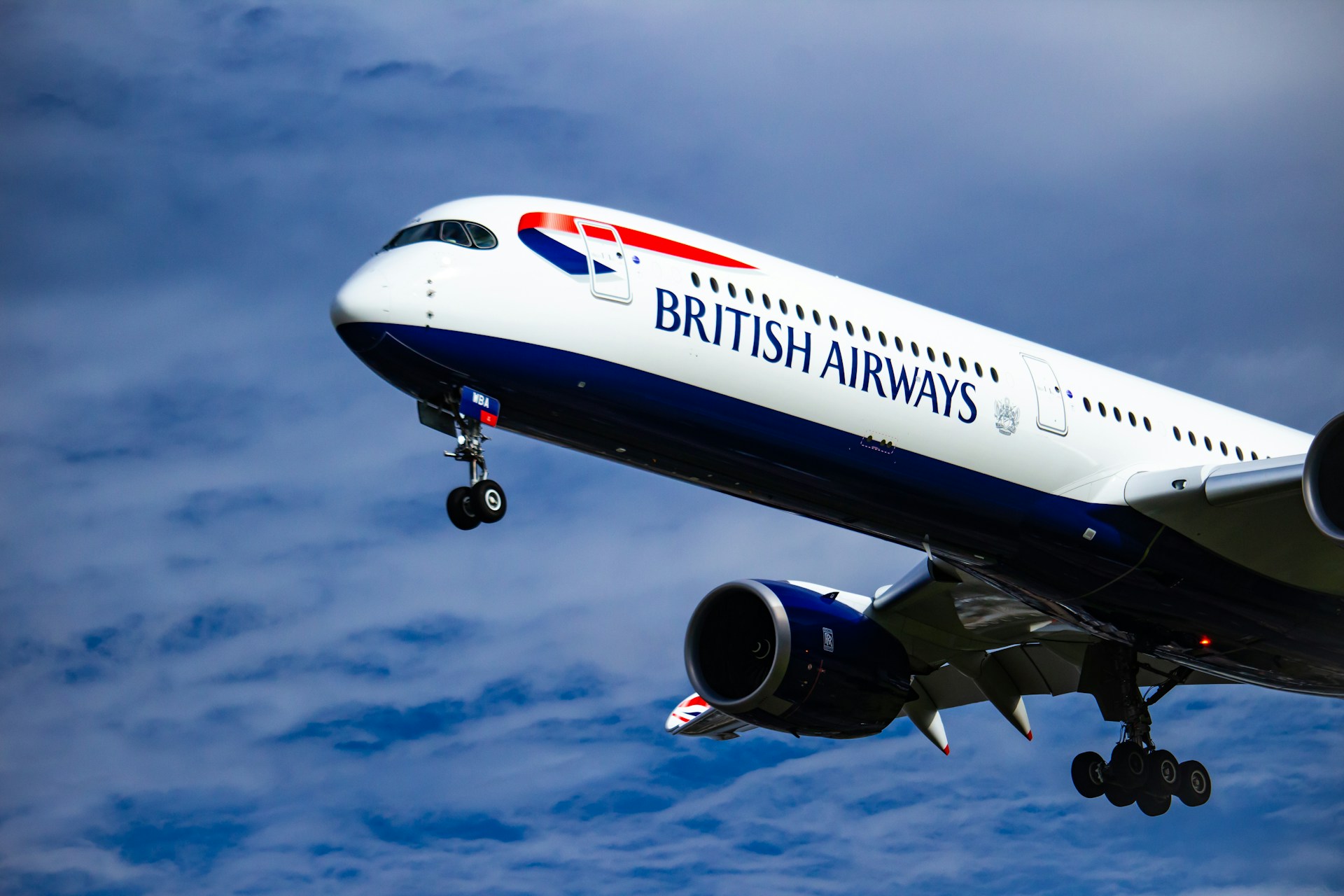
For travellers planning a mid-year getaway through the Middle East, plans are once again being reshuffled.
British Airways has confirmed it will continue suspending several of its key routes in the region, with disruptions now stretching into late May and, in some cases, beyond. The decision reflects the growing uncertainty around airspace safety as conflict in the Middle East continues to ripple through the global aviation industry.
Routes Put On Pause
The airline has temporarily grounded flights to major destinations including Amman, Bahrain, Dubai and Tel Aviv, with cancellations in place until 31 May.
Doha has also been affected, with flights suspended until 30 April and only a limited schedule expected to operate through May.
British Airways says the decision is rooted in safety concerns. Ongoing instability in regional airspace has made it difficult for airlines to maintain normal operations, forcing carriers to rethink flight paths, schedules and even entire routes.
What Is Still Operating
Not all routes have been pulled. Flights to Riyadh and Jeddah in Saudi Arabia are continuing as scheduled, offering some continuity for travellers heading into the region.
Meanwhile, services to Abu Dhabi are only expected to resume much later in the year, with a restart date set for 25 October.
A Ripple Effect Across Global Travel
The disruption is not isolated to one airline. The broader aviation sector is feeling the strain as geopolitical tensions push fuel prices higher and complicate flight logistics.
Airlines that rely heavily on Middle Eastern hubs, including Qatar Airways, Emirates and Etihad, are among the most affected. However, even carriers with limited direct exposure to the region are facing knock-on effects, as many international routes pass through Middle Eastern airspace.
For South African travellers, particularly those using Dubai or Doha as stopover hubs en route to Europe or Asia, the impact is tangible. Fewer flights, longer routes and potential delays are becoming part of the new travel reality.
A Travel Landscape In Flux
What this latest move signals is a travel environment that remains deeply unpredictable. Airlines are being forced to stay agile, adjusting schedules in real time as conditions evolve on the ground and in the skies.
For now, passengers are being urged to double-check bookings and remain flexible. In a global aviation network where one region’s instability can affect flights thousands of kilometres away, certainty is in short supply.