Business
Johannesburg’s R71.9bn debt crisis puts city services at risk
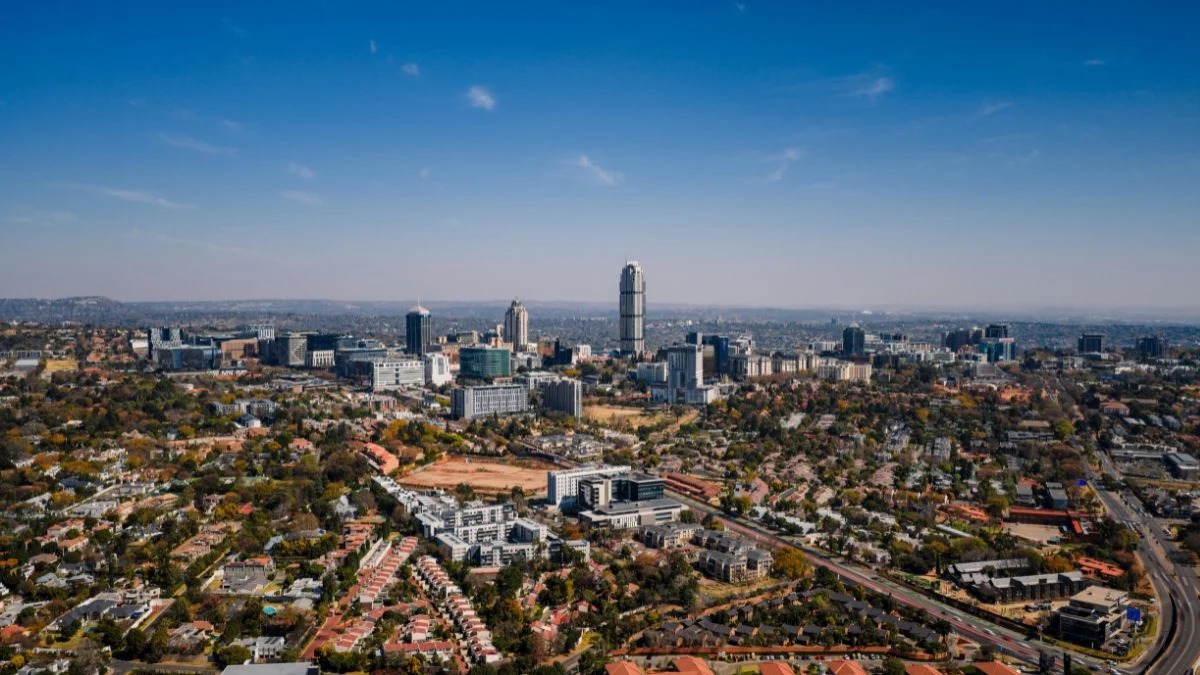
Johannesburg has long carried the title of South Africa’s economic powerhouse. It is the city where deals are made, industries grow, and opportunity draws people in from across the country. But behind that reputation, a quieter story is unfolding, one that is starting to worry both residents and policymakers.
The city is sitting on a staggering R71.9 billion in unpaid bills. And the uncomfortable truth is that much of this money may never be recovered.
A city owed billions
By the end of 2025, households, businesses, and even state entities had racked up nearly R72 billion in debt to the City of Johannesburg. What makes this figure more alarming is that over 70% of it is older than a year. In municipal terms, that often means it is effectively lost.
Despite billing R37.2 billion for services like electricity, water, and refuse collection in just six months, the city only managed to collect R31.9 billion. The gap continues to widen, placing more pressure on an already strained system.
For many Joburg residents, this will not come as a surprise. Conversations around billing disputes, service interruptions, and frustration with municipal systems have become part of everyday life.
When services fail, revenue follows
The city’s financial troubles are not just about non-payment. They are also tied to declining service delivery.
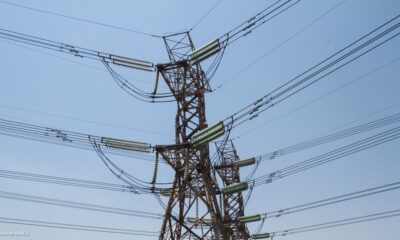
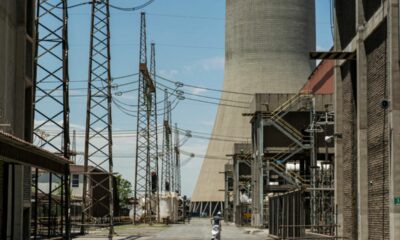
When water systems fail or the electricity supply becomes unreliable, the municipality loses something fundamental. It loses the ability to sell its services. Households and businesses begin turning to alternatives such as generators, boreholes, and solar power.
This creates a dangerous cycle. Less revenue means less money for maintenance. Poor maintenance leads to more outages. And more outages push even more people away from municipal services.
Some analysts have described this as a slow-moving financial spiral, one that becomes harder to reverse over time.
Budget cuts where it hurts most
Johannesburg recently passed a R90 billion budget, but not without controversy. Key utilities have seen their spending reduced, even as service delivery challenges persist.
City Power’s budget has been cut by hundreds of millions of rand. Joburg Water and Pikitup have also faced reductions. These are the very entities responsible for keeping the city running day to day.
For residents dealing with water shortages or power interruptions, these cuts raise difficult questions about priorities and long-term planning.
Debt relief that barely makes a dent
In an attempt to recover some of the outstanding money, the city launched another debt relief programme. It offers qualifying homeowners and small businesses a chance to have half their debt written off if they settle the rest.
On paper, it sounds promising. In practice, past efforts suggest otherwise.
Three previous rounds of similar programmes recovered just over R500 million combined. That is less than 1% of what is currently owed. Even recent disconnection campaigns for electricity and water have brought in only a fraction of outstanding arrears.
A deeper, long-term problem
At the heart of the crisis lies something more structural. Years of underinvestment in infrastructure have left the city struggling to keep up with its own demands.
In the last financial year, only a quarter of the capital budget was spent. At the same time, wage agreements have continued to grow, adding pressure to an already tight financial position.
Experts estimate that Johannesburg needs at least R26 billion just to stabilise its water infrastructure. To fully address maintenance backlogs and future upgrades, the figure climbs to over R200 billion.
This is not just about fixing pipes or power lines. It is about whether the city can keep functioning at the level expected of South Africa’s economic hub.
Political pressure and a city under scrutiny
The situation has not gone unnoticed. National leaders have openly expressed concern about the state of Johannesburg.
There are growing calls for intervention, with discussions underway between the city and the National Treasury. The message is becoming clearer. Johannesburg’s challenges are no longer just local issues. They have national implications.
Social media has also reflected public frustration. Residents frequently share images of burst pipes, power outages, and uncollected waste, fuelling a broader conversation about accountability and governance in the city.
The road ahead for Joburg
Johannesburg’s story is not just about debt. It is about trust, delivery, and sustainability.
The city still holds immense economic potential. But without consistent service delivery and a workable financial strategy, that potential becomes harder to realise.
For now, the numbers speak loudly. A R71.9 billion shortfall is not just a line on a balance sheet. It is a signal that something deeper needs to change.
And for the people who call Joburg home, the real question is simple. Can the city turn things around before the cracks become impossible to fix?
Follow Joburg ETC on Facebook, Twitter, TikT
For more News in Johannesburg, visit joburgetc.com
Source: Daily Investor
Featured Image: BusinessTech