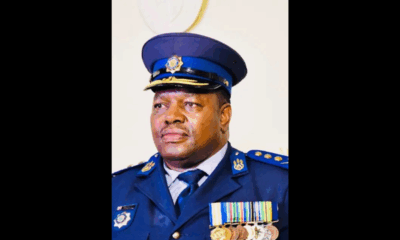
Batohi exits Nkabinde Inquiry, raising fresh questions over fairness and legal rights
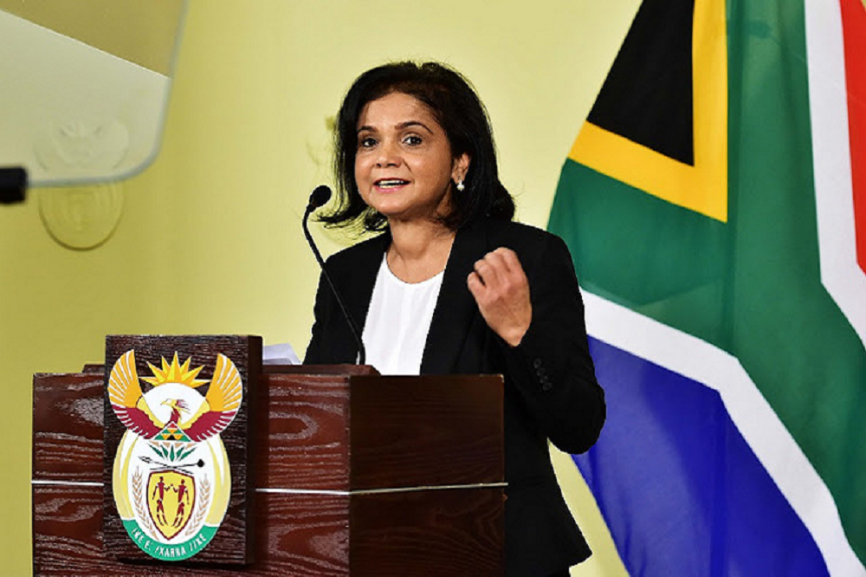
A high-profile inquiry meant to test accountability inside South Africa’s prosecution system has taken another dramatic turn after former National Director of Public Prosecutions Shamila Batohi stepped away from proceedings.
Batohi formally informed the Nkabinde Inquiry on Thursday, 24 April 2026, that she would not return to continue her testimony. Her decision adds fresh tension to a process already marked by legal disputes, delays and public scrutiny.
The inquiry is examining whether Gauteng Director of Public Prosecutions Andrew Chauke remains fit to hold office.
Why Batohi walked away
At the centre of Batohi’s withdrawal is a dispute over legal representation during cross-examination.
She said she required proper consultation with her attorneys while being questioned and believed that continuing without that support would be unfair. Batohi also raised concerns about how the inquiry was treating her credibility.
In a written statement delivered through her legal team, she said the decision had been carefully considered and was not made lightly.
Her position signals a deeper concern often raised in commissions and inquiries across South Africa: whether processes designed to uncover truth are also protecting the rights of those called to testify.
Panel rejects statement as evidence
The inquiry, chaired by retired Constitutional Court Judge Bess Nkabinde, ruled that Batohi’s explanatory statement would not carry evidentiary value and would not form part of the official record.
That ruling appears to have sharpened the standoff.
For many observers, it highlights the difficult balance inquiry panels face maintaining discipline and procedure while handling politically sensitive testimony from senior legal figures.
Not the first clash
This is not the first time Batohi and the inquiry have collided.
In December last year, proceedings were disrupted when she refused to continue testifying before consulting her legal team. At the time, Judge Nkabinde criticised her conduct, saying she had not asked permission before leaving.
Batohi responded that she acted to protect her integrity.
That earlier episode foreshadowed the latest breakdown.
Why the Chauke inquiry matters
The stakes are significant. President Cyril Ramaphosa established the inquiry after Batohi referred Chauke’s case to him.
She had raised concerns that Chauke allegedly shielded influential individuals and made politically motivated prosecution decisions.
One matter reportedly under scrutiny involved the prosecution of Duduzane Zuma over a fatal 2014 crash in which a Zimbabwean woman died and others were injured.
The case became symbolic of a wider national frustration: whether powerful figures are treated differently in the justice system.
Public reaction: more questions than answers
Reaction online has been sharply divided. Some South Africans argue Batohi is defending basic legal rights. Others believe public officials must fully cooperate with inquiries, especially when public trust in institutions is fragile.
That split reflects a broader mood in the country. Citizens want accountability, but they also want fairness and increasingly expect both at the same time.
What happens now?
Batohi’s withdrawal effectively closes a major chapter of evidence without testimony from one of the inquiry’s most important figures being fully completed.
That leaves the panel with a difficult task: reaching conclusions in a matter where one of the central voices has stepped away.
For a nation still trying to rebuild confidence in the rule of law, the outcome of this inquiry now matters even more than when it began.