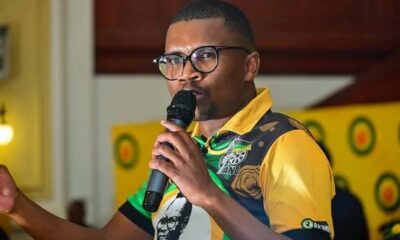
Why the public should rethink support for Julius Malema after his five-year sentence
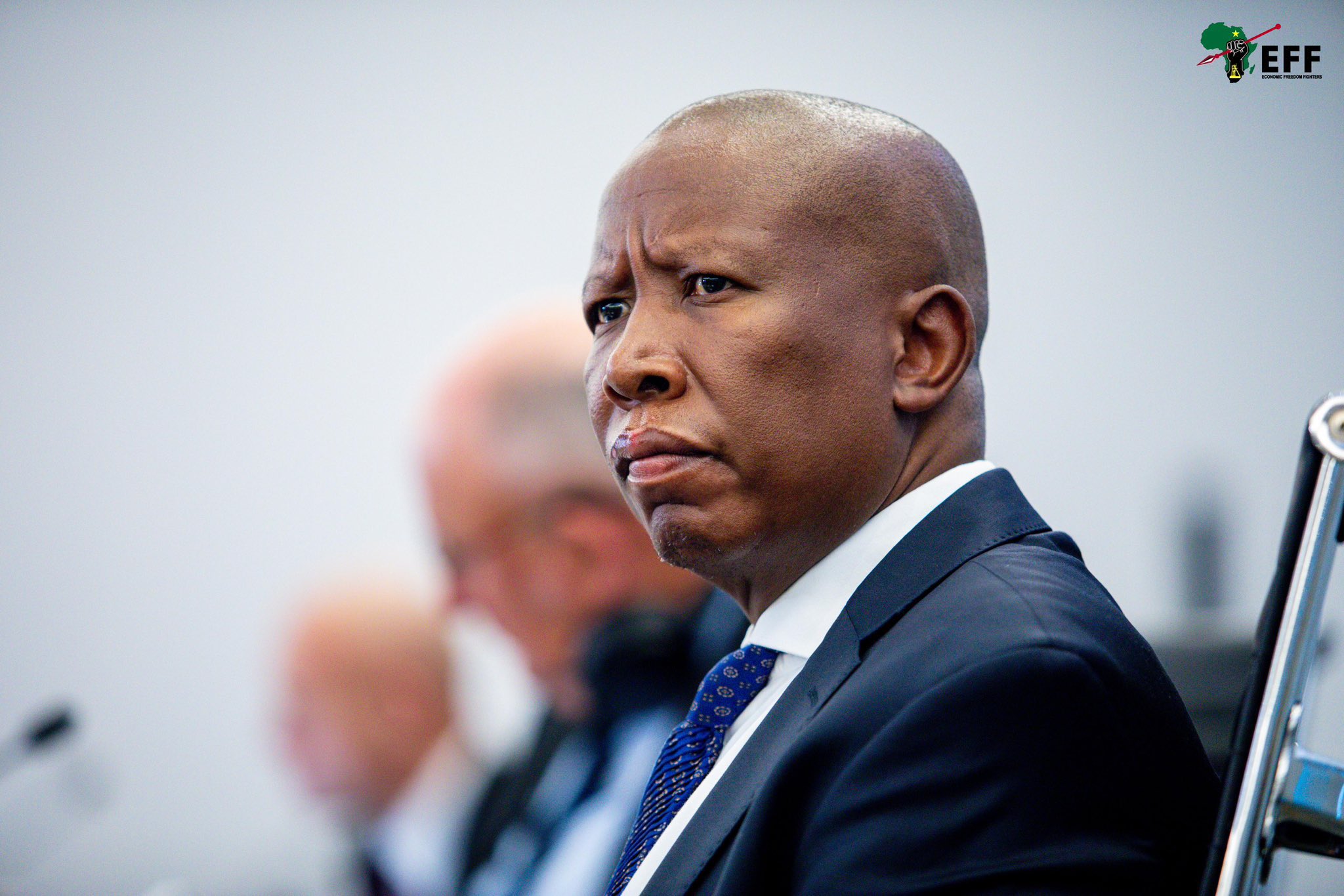
When news broke that Julius Malema had been handed a five-year sentence for unlawfully firing a rifle during an EFF celebration in 2018, the reaction in South Africa split almost immediately. Some saw justice served. Others saw something far more complicated unfolding in the country’s political and legal landscape.
At the centre of this debate is not only the man himself, but what his punishment represents in a country still wrestling with political identity, inequality and trust in institutions.
A political figure who has always divided opinion
Malema has never been an easy figure to place neatly into South Africa’s political story.
Those who have followed him since his youth leadership days in the ANC recall a leader who was bold, confrontational and unapologetically radical. His rise through the African National Congress Youth League was marked by both admiration and controversy, leading to his removal in 2012 after accusations of division and misconduct within the party.
That moment became a turning point. By 2013, Malema and his allies, including Floyd Shivambu, launched the Economic Freedom Fighters, a movement built on radical economic transformation and confrontation with the political establishment.
The case that led to a five-year sentence
The recent conviction stems from a widely circulated video filmed during the EFF’s fifth anniversary celebration at Sisa Dukashe Stadium in 2018, where Malema is seen firing what appeared to be a rifle in front of supporters.
The court found him guilty of unlawful possession of a firearm and ammunition, discharging a firearm in public, and reckless endangerment.
For critics, the sentence reflects accountability at the highest level. For supporters, it raises a more uncomfortable question: whether the punishment fits both the act and its context.
A debate that goes beyond the courtroom
Some commentators argue that the sentencing did not sufficiently consider the broader circumstances surrounding the incident, suggesting that alternative penalties such as a suspended sentence or correctional supervision could have been appropriate.
There is also concern among some analysts that the decision reflects a more punitive judicial approach in politically charged cases, a perception that has already begun circulating widely in public discussions and online spaces.
At the same time, others strongly disagree, pointing out that public firearm discharge by a political leader cannot be treated lightly under any circumstances.
The uncomfortable question of political consequences
Beyond legal arguments, there is a deeper political layer.
Malema is not just a defendant in a courtroom; he is a central figure in South Africa’s opposition politics. His presence in Parliament has kept political debate sharp and often disruptive, but undeniably influential.
His absence for five years, critics of the sentence argue, would not only weaken the EFF’s parliamentary strength but also reshape opposition politics at a time when internal divisions have already tested the party.
The broader reflection: a country still wrestling with its transformation
A recurring theme in the debate is whether figures like Malema are a product of South Africa’s incomplete transformation since 1994.
Supporters of this view argue that persistent inequality, township poverty, and uneven economic progress continue to fuel radical political expression.
Others caution against linking social conditions too directly to individual accountability.
What is clear, however, is that Malema’s rise, his politics, and his legal troubles are all deeply tied to South Africa’s unresolved tensions around race, wealth and power.
A country divided over justice and politics
Public reaction has been anything but uniform. On social media, the sentence has sparked both celebration and outrage, reflecting the broader divide in how South Africans interpret justice when politics enters the courtroom.
For some, it is accountability finally catching up with power. For others, it is a sign of disproportionate punishment with wider political implications.
Where this leaves Malema and South Africa
Whether the sentence stands or is overturned on appeal, the case has already become bigger than one individual.
It has reopened questions about how South Africa balances law, politics, and public perception in cases involving powerful figures.
And it has once again placed Julius Malema at the centre of a national debate that shows no signs of cooling down.