News
Raulinga rejects claims ANC past has influenced his judgments
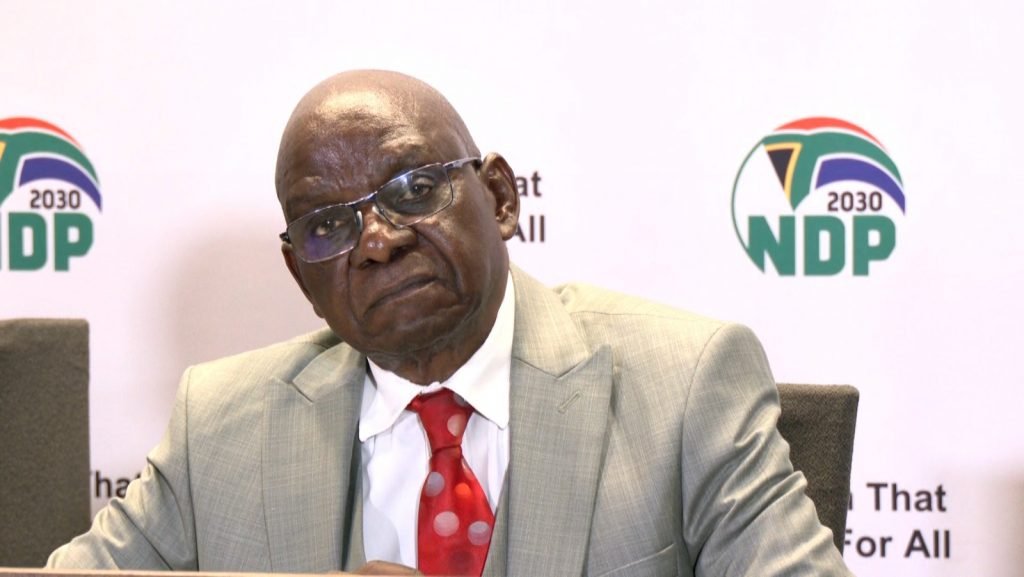
Retired Judge Takalani Joseph Raulinga has rejected suggestions that his former African National Congress (ANC) membership affected his judicial decisions, saying he disclosed the affiliation before joining the Bench and has remained impartial throughout his judicial career.
Response to objections over IDAC oversight appointment
The comments follow a formal objection by the uMkhonto weSizwe (MK) Party to Justice and Constitutional Development Minister Mmamoloko Kubayi about Raulinga’s appointment as the oversight judge for the Independent Directorate Against Corruption (IDAC). The MK Party argued that Raulinga’s past political associations and a friendship with President Cyril Ramaphosa could create a reasonable apprehension of bias and asked the minister to appoint another oversight judge.
Disclosure, oaths and a record of impartiality
Raulinga said he had publicly declared his ANC membership prior to becoming a judge and emphasised that he never held any office within the party. He pointed to the multiple oaths he took during his legal career, including the judicial oath to act “without fear, without favour and without prejudice.”
He also said he had been impartial for more than 19 years on the Bench and noted that he had not been taken to the Judicial Service Commission (JSC) for being partial.
Call for transparency from judicial candidates
Stressing the importance of openness, Raulinga urged judicial officers to disclose past associations to safeguard public confidence in the judiciary. He referred to the Latimer House Principles, which he helped draft while serving as vice-chairperson of the Magistrates’ and Judges’ Association of the Commonwealth, saying those principles require such disclosures.
“I have declared that before I became a judge, I used to be a member of the ANC. I never held any office in the ANC,” he said.
He added:
“I challenge any person who wants to become a judge, to disclose his prior associations. And make sure that he remains impartial. And I will remain impartial.”
Role and accountability of the IDAC oversight office
Raulinga rejected suggestions that the IDAC oversight office functions as an ombuds office, saying instead that its mandate is to provide independent oversight. He explained the office investigates complaints from both members of the public and investigators within IDAC.
On accountability, Raulinga noted that although the minister appointed him and receives reports from his office, he is accountable to Parliament through the portfolio committee.
Background on his understanding of independence
Raulinga said his understanding of judicial independence has been shaped by decades on the Bench, international work on separation of powers and judicial independence, and academic experience teaching jurisprudence. He reiterated his commitment to independence.
Follow Joburg ETC on Facebook, Twitter, TikTok and Instagram
For more News in Johannesburg, visit joburgetc.com
Source: iol.co.za