News
Permanent residents to get Smart ID access in phased rollout from August 2026
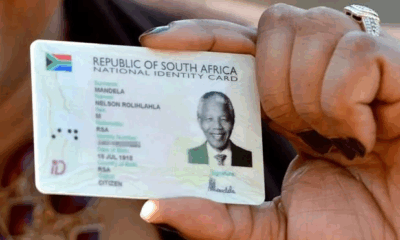
From August 2026 naturalised citizens and some permanent residents can apply for Smart ID cards through eHomeAffairs, DHA offices or participating banks. Phase 2 dates unannounced.
From August 2026 naturalised South African citizens and lawful permanent residents from visa-exempt countries will be able to apply for the biometric Smart ID card, the Department of Home Affairs has confirmed as part of a phased rollout.
Who can apply in phase one
Phase one of the rollout covers naturalised citizens and permanent residents whose countries of origin are on South Africa’s visa-exempt list. Applicants in that group may submit applications via the eHomeAffairs online portal, at DHA Live Capture offices, or through participating bank branches.
Phased approach and unanswered questions
The department will open a second phase for applicants from visa-required countries, but no date for phase two has been announced. Until that phase begins, those applicants must continue to use the green barcoded ID book.
Why the change matters
The Smart ID replaces the green barcoded ID book and is biometric-enabled. The old green book has been described as easier to forge, and making the Smart ID available to naturalised citizens and permanent residents removes a longstanding barrier for millions who previously had no route to the card.
Technical and legal details
The change followed a law amendment in May 2025 that made naturalised citizens and lawful permanent residents eligible for Smart ID cards. Roughly 1.4 million people became eligible as a result of that change.
Even with a Smart ID, the legal distinction between citizens and permanent residents remains. A South African ID number uses an eleventh digit to indicate status: ‘1’ for a permanent resident and ‘0’ for a citizen. If a permanent resident later naturalises, that digit changes and a new Smart ID is issued.
How to apply and fees
First-time permanent residence applicants must complete a BI-9 form and supply original and certified copies of supporting documents, including the Permanent Residence Permit, passport and an unabridged birth certificate authenticated or apostilled, along with proof of residential address. The application fee is R140, the same as for South African citizens.
What applicants should expect
Applicants eligible in phase one can use the eHomeAffairs portal, visit DHA Live Capture offices, or apply at participating banks. Those from visa-required countries will need to wait for the department to announce phase two.
Follow Joburg ETC on Facebook, Twitter, TikTok and Instagram
For more News in Johannesburg, visit joburgetc.com
Source: thesouthafrican.com