Business
Critics call spaza-shop study a needless expense as existing data sits unused
Critics say the Department of Small Business Development’s tender to study spaza-shop success is unnecessary, arguing existing data and programmes should be used.
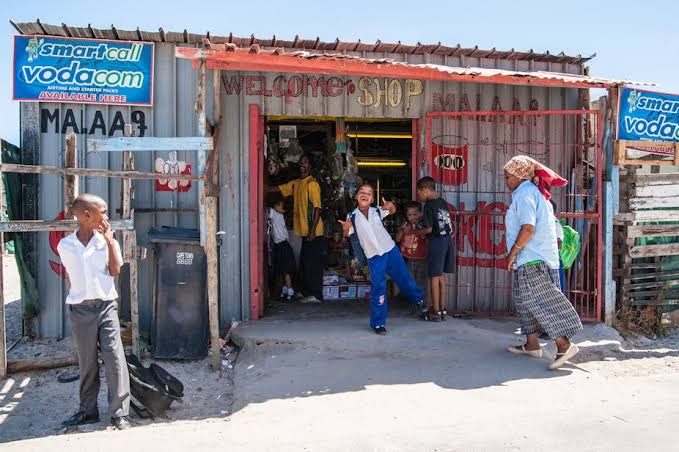
The Department of Small Business Development has drawn criticism for issuing a tender for an external study into why some spaza shops succeed while others fail, with opponents saying the research duplicates information already held by government and organisations that work in the township economy.
Who is criticising the tender and why
Bheki Twala, founder and president of the Township Economic Commission SA, described the proposed study as “another waste of public funds”, saying millions have already been spent on programmes aimed at supporting spaza shops with little visible impact. He alleged that data generated by existing programmes and registration drives could be used instead of commissioning new research.
“The tender raised a broader question of whether government needs to spend more money researching the problems facing spaza shops, when existing programmes, and the data generated through them, have yet to deliver the full support promised to township businesses,” Twala said.
He also alleged that foreign-national–owned spaza shops often succeed because they can “operate as they please, flout compliance requirements and seemingly get away with it,” while South African-owned spaza shops face multiple regulatory requirements.
What the tender proposes to study
The tender states the proposed research will examine ownership arrangements, procurement systems, entrepreneurial capabilities, operational practices, supplier networks, customer relationships and technology adoption. It also asks the successful bidder to assess existing government support programmes including objectives, budgets and expenditure to identify gaps, duplication and opportunities for better coordination.
Context and existing figures cited
The tender refers to research estimating that 70%–80% of spaza shops fail, with half allegedly closing within the first five years. It cites a 2025 parliamentary report that estimated general SME failure rates at 65%–75%.
During a registration drive between November 2024 and February 2025, the tender says about 80 000 spaza shops were registered with municipalities, and the department noted that this exercise did not capture the entire sector because some businesses may operate without registration.
The Standard Bank Township Informal Economy Report 2025 is also cited in the tender, noting the township informal economy contributes an estimated R900 billion and that about 80% of township businesses are unregistered.
Funding, deadlines and department response
The government’s R500 million Spaza Shop Support Fund has seen only R57 million disbursed to local traders, a figure reported alongside criticism of the department’s pace on township-economy interventions. The tender document did not state a specific contract value for the research, and the tender was listed as closing on a Monday.
According to The Citizen, the department had not replied to questions at the time of publishing.
What critics want
Critics argue the department could draw on data from registration drives, existing programmes, organisations such as the Township Economic Commission and state research bodies or universities, rather than commissioning a new external study.
Follow Joburg ETC on Facebook, Twitter, TikTok and Instagram
For more News in Johannesburg, visit joburgetc.com
Source: citizen.co.za