News
Ramaphosa apologises after Bronkhorstspruit water contamination leaves hundreds ill
President Ramaphosa apologised after Bronkhorstspruit water contamination sickened at least 408 people. National intervention and rehabilitation efforts are underway.
What officials say happened
The outbreak of gastrointestinal illness was recorded between October 7 and 18 and affected people across Bronkhorstspruit, Zithobeni, Ekandustria and surrounding communities, with authorities reporting at least 408 cases.
The contamination followed a period when the Bronkhorstspruit Water Treatment Plant operated without chlorine from September 24 to October 14 because of a supply shortage. Concerns about raw sewage pollution in the Bronkhorstspruit River further compounded worries about water safety.
Apology and national intervention
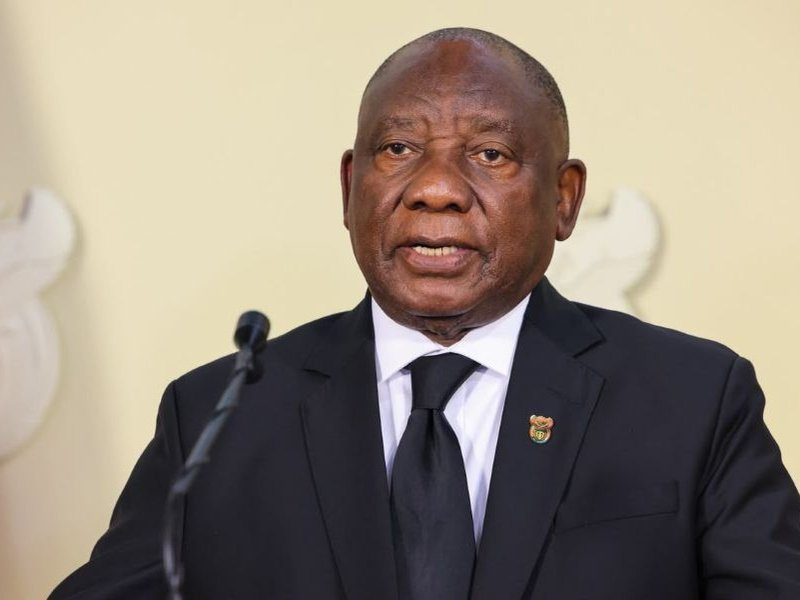
Speaking while on the campaign trail in Daveyton, Ekurhuleni, President Ramaphosa apologised to affected residents and said national intervention had become necessary after the City of Tshwane failed to ensure proper water treatment.
“We are very sorry that it has resulted in the challenge of gastrointestinal illness that has affected a number of people.”
Ramaphosa also confirmed the formation of a national coordination body, saying the government had established the National Water Crisis Committee to coordinate the response and work to restore safe drinking water to affected communities.
“We now have to intervene and make sure that people have safe drinking water… That is why we set up the National Water Crisis Committee.”
Municipal response and outside assistance
Tshwane Mayor Dr Nasiphi Moya acknowledged shortcomings in the municipality’s handling of the incident. According to the municipality, Rand Water advised isolating and shutting down the treatment plant’s water supply as part of response efforts.
The municipality has engaged Rand Water to help accelerate rehabilitation and upgrades at the facility. Mayor Moya said the immediate focus is restoration of clean water access while planned improvements aim to secure a reliable, sustainable supply for the future.
“Our immediate priority is to restore access to clean, safe drinking water for affected communities,”
Immediate challenges
Officials say the immediate challenge remains restoring safe water access while addressing the treatment failures that preceded the outbreak. The government has indicated it is working towards a solution in the coming days.
Health impact and public concern
The reported cases of gastrointestinal illness underline the potential public health impact when drinking-water treatment is compromised. Local residents experienced illness across several nearby communities while authorities moved to contain the problem.
When treatment plants operate without disinfectant, waterborne pathogens can pose a risk to people who consume or use untreated water. Raw sewage entering a watercourse can further increase that risk by introducing additional contaminants.
What coordination bodies typically do (general context)
While specific actions by the National Water Crisis Committee were not detailed beyond its formation, coordination bodies in water emergencies commonly focus on:
- rapid assessment of water quality and distribution systems,
- arranging emergency safe water supplies and alternative distribution where necessary,
- advising on treatment steps such as chlorination and system flushing, and
- planning short- and medium-term repairs, upgrades or isolation measures to prevent recurrence.
These are general approaches used in public health and water-sector responses to contamination incidents and are provided here as context for readers on the kinds of measures that typically accompany coordinated interventions.
What residents can expect next
Authorities have said they are working towards a solution in the coming days, with the stated priorities of restoring safe drinking water and accelerating rehabilitation and upgrades at the treatment plant. The municipality’s engagement with Rand Water is a central component of that work.
Restoration efforts in similar situations usually involve repeated water quality testing, targeted repairs to treatment systems, and interim measures to ensure safe supplies while longer-term improvements are implemented. The National Water Crisis Committee is the government’s vehicle for overseeing and coordinating these kinds of responses in this incident.
Why the issue matters
Access to safe drinking water is a core public health necessity. When treatment systems fail or raw sewage enters waterways, the health and daily lives of communities can be disrupted. The Bronkhorstspruit incident shows how supply shortages and environmental contamination can combine to produce a significant local health challenge and the need for coordinated action across municipal and national agencies.
Looking ahead
Officials have framed the immediate priority as restoring access to clean, safe drinking water and then implementing improvements to secure a more reliable supply. The government and the municipality have said they are taking steps to address the failures that preceded the outbreak; residents and stakeholders will be looking for rapid and measurable progress in water quality and plant operations in the days ahead.
Follow Joburg ETC on Facebook, Twitter, TikTok and Instagram
For more News in Johannesburg, visit joburgetc.com
Source: iol.co.za