News
Police to escort private water tankers as Bronkhorstspruit illness cases reach 833
Police will escort private water tankers in Bronkhorstspruit as reported gastrointestinal illness cases linked to contaminated water rise to 833.
Tshwane mayor Dr Nasiphi Moya announced the measure during a media briefing on Monday. Water and Sanitation Minister Pemmy Majodina confirmed the latest illness figures, while Deputy President Paul Mashatile also attended the briefing.
Three residents remain in hospital. Mashatile visited the affected area and the Bronkhorstspruit water treatment works as part of the Inter-Ministerial Committee on Water and Sanitation, which is coordinating government interventions on water and sanitation challenges.
Police to monitor private water supplies
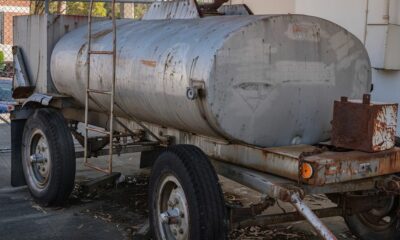
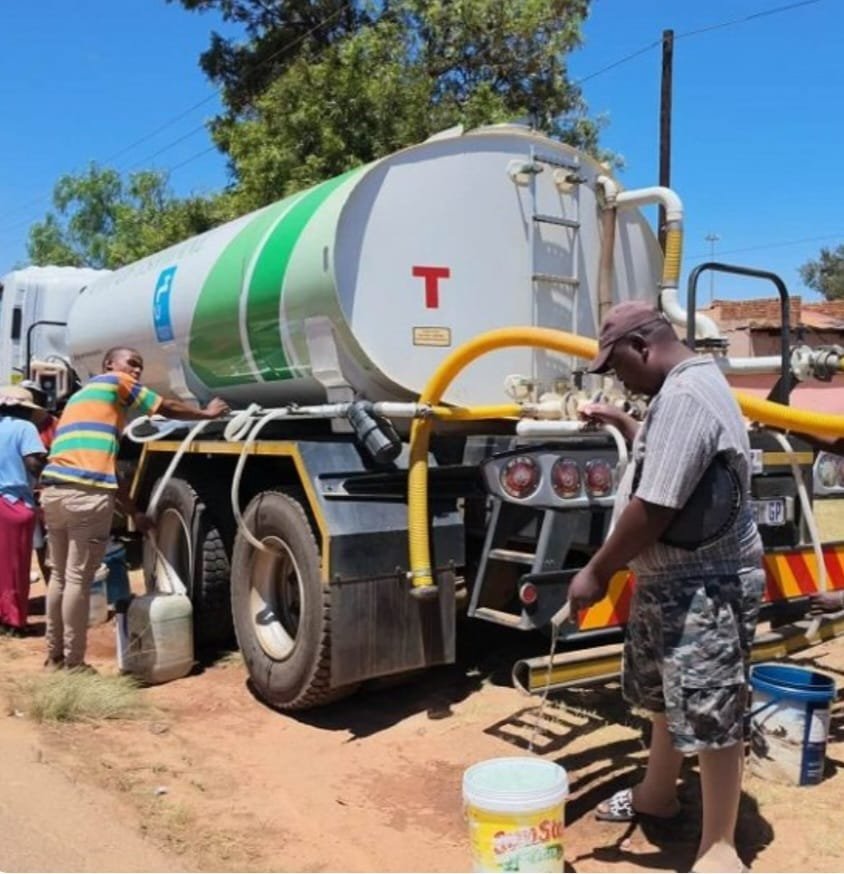
Moya said the city had instructed the Tshwane Metro Police Department to monitor private water tankers operating in affected communities. The checks will focus on where the tankers obtain their supplies and whether the water has undergone testing.
Some communities are receiving water from boreholes, while other supplies are being purchased from spaza shops. Moya said environmental health officials were testing water from these sources.
The city has provided TMPD with the registration numbers of private tankers to support the compliance checks. Moya said officers would follow the vehicles to establish the origin of their water and identify who had tested it.
“We just gave all the registration numbers to TMPD to start following the tankers around to make sure that we know where they get the water, who has tested the water, and we have asked that TMPD must remove those tankers until we have the results,” Moya said.
She said water testing would continue and stressed that clear communication with affected communities remained important. The city has arranged meetings with community leaders in Region 7 to improve the flow of information during the crisis.
Private operators must be verified
The City of Tshwane has called on independent private water tanker operators who want to assist affected communities to obtain municipal verification and authorisation before distributing water.
The city said it welcomed assistance from private-sector partners but insisted that independent operators must meet the same water-quality and safety standards as municipal tankers and contracted service providers.
Operators have been instructed to present their vehicles at the Commando Building in Bronkhorstspruit. The city’s environmental health practitioners will conduct verification, authorisation and water-quality testing there.
The city stressed that the checks are precautionary. They do not mean that contamination has been detected in water supplied by private operators. Instead, the process is intended to ensure consistent standards and protect residents while the emergency response continues.
TMPD will conduct compliance checks, and operators distributing water without authorisation will be required to stop until they complete the verification process.
Residents have been urged to obtain drinking water only from verified and authorised sources. The city also warned against using untreated water from rivers, dams and other unverified sources.
Bronkhorstspruit treatment plant closed
The crisis follows reports of hundreds of gastrointestinal illness cases in Bronkhorstspruit and surrounding communities between October 7 and 18. The contamination has been linked to inadequate chlorination at the Bronkhorstspruit water treatment works, which has since been closed.
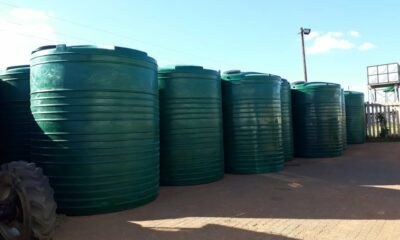
Residents affected by the closure are relying on water tankers, increasing the importance of confirming that replacement supplies are safe before they are distributed for drinking or household use.
The manager of the Bronkhorstspruit water treatment works has been suspended pending further investigation. The city has also commissioned an independent probe into the failures that contributed to the crisis.
Moya said a preliminary investigation had raised concerns about an interruption to chlorine supplies, an alleged failure to escalate the associated risks and a delay in warning residents.
The city’s chief operations officer has been tasked with investigating the circumstances surrounding the disruption. The internal investigation is expected to examine whether officials were negligent in managing chlorine availability, communicating the shortage and deciding whether to shut down the plant.
“I think anyone who is found to have been negligent in their responsibilities in terms of the chlorine availability, in terms of the communication regarding the non-availability of the chlorine, and the decision to shut down the plant that was not taken, I think the internal investigation will be able to identify who should be fired from that point of view,” Moya said.
She said external processes were also under way, including criminal cases and investigations involving the Department of Water and Sanitation. Investigators will examine the directives issued to the city, how officials responded and whether those responses were adequate.
Ramaphosa condemns municipal failures
President Cyril Ramaphosa described the contamination crisis as unacceptable and said it exposed serious weaknesses in Tshwane’s water operations.
“What has happened in Bronkhorstspruit is a complete dereliction of the work and the duties that the municipality of Tshwane was supposed to be executing,” Ramaphosa said in Mamelodi on Monday.
He said it was unacceptable that failures in municipal duties had ultimately led to diseases spreading among residents.
The crisis has intensified concerns about water safety, municipal oversight and the ability of local authorities to provide reliable services. For residents dependent on emergency supplies, the tanker verification process is intended to add another layer of oversight while investigations into the treatment plant and the wider response continue.
The city has separately lifted a boil-water advisory for Pretoria’s central business district after laboratory tests confirmed that the water there was safe to drink.
Follow Joburg ETC on Facebook, Twitter, TikTok and Instagram
For more News in Johannesburg, visit joburgetc.com
Source: iol.co.za