News
Cachalia warns against vigilante action as government commits to enforce immigration laws
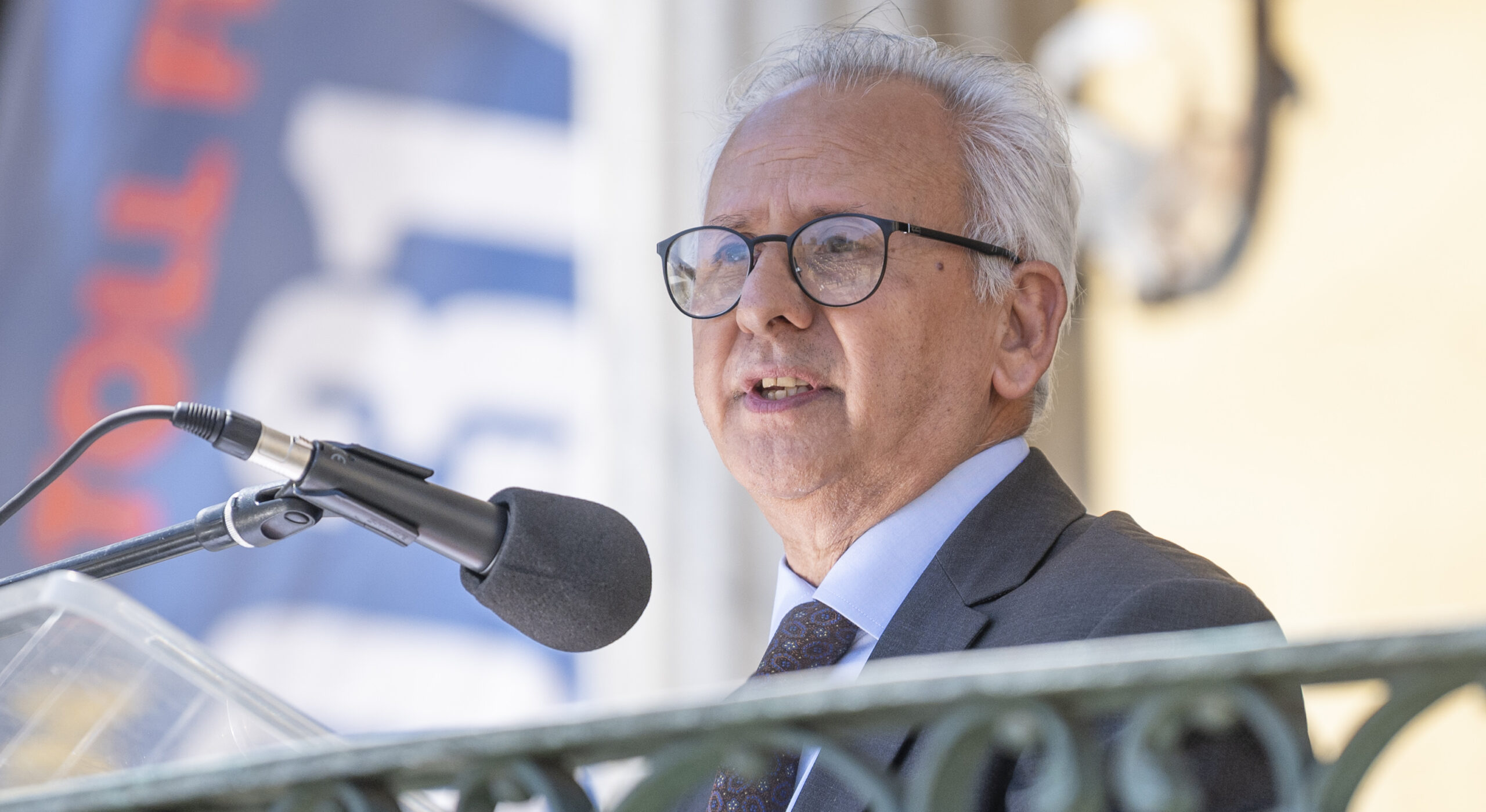
Acting Police Minister Firoz Cachalia urged South Africans not to take immigration enforcement into their own hands, condemning violent protests targeting foreign nationals and stressing that arrests for immigration offences must be carried out only by authorised state agencies.
Who may arrest for immigration offences
Cachalia told the National Council of Provinces while tabling the SAPS budget vote for 2026 that only the police and the Border Management Agency are allowed to arrest people for immigration offences. He reiterated an earlier statement by President Cyril Ramaphosa that responsibility for enforcing immigration laws rests with the state alone.
Condemning violence and outlining risks
He said one cannot build a country that effectively implements the rule of law by breaking those same laws, and added that while police are directed to enforce the law against people in the country illegally, they are also directed to act against anyone who acts violently or attacks people during protest action.
“As much as the police are directed to enforce the law against those who are in South Africa illegally, they are directed to do the same against anyone who acts violently or attacks people during protest action,”
Damage to reputation and national interests
Cachalia warned that images of harassment and threats against foreigners harm the country’s reputation and national interests. He said such incidents can limit foreign investment, undermine economic growth and job creation, and could harm cooperation with regional neighbours needed to address organised criminal networks.
Accountability within SAPS and crime trends
The Acting Minister welcomed the suspension or dismissal of senior SAPS officials as part of the Police Reset Agenda, saying the actions were in line with SAPS internal investigation and that he was aligned with Acting National Commissioner Puleng Dimpane on consequence management.
Cachalia also acknowledged police members who remain focused on their duties and those killed or injured while serving communities. Commenting on recent crime statistics, he said a downward trend in most major contact and property crimes has largely been sustained for two years, while cautioning that levels of crime and violence were still far too high and that policing alone will not achieve the safety needed for sustainable growth.
Plans for prevention and organised crime
He said the ministry is working on a national and provincial patroller programme, with the Civilian Secretariat for Police Service developing national norms and training curricula for patrollers. Provinces were asked to consider options for stipends, equipment and training for patrollers in high-risk districts, with potential national co-financing and technical support.
Cachalia added that the ministry will present a comprehensive National Organised Crime Strategy to Cabinet this year to enable better coordination and information sharing across government, the private sector and civil society. He said multi-disciplinary teams were targeting specific organised criminal networks and that developments will be closely monitored to assess impact and improve interventions.
According to IOL, IOL is one of South Africa’s leading news and information websites bringing millions of readers breaking news and updates on Politics, Current Affairs, Business, Lifestyle, Entertainment, Travel, Sport, Motoring and Technology.
Follow Joburg ETC on Facebook, Twitter, TikTok and Instagram
For more News in Johannesburg, visit joburgetc.com
Source: iol.co.za