News
Mussels and oysters from Saldanha Bay cleared as toxin levels fall below safety limits
DFFE says mussels and oysters from approved Saldanha Bay areas are safe to harvest and sell after paralytic shellfish toxin levels fell below regulatory limits.
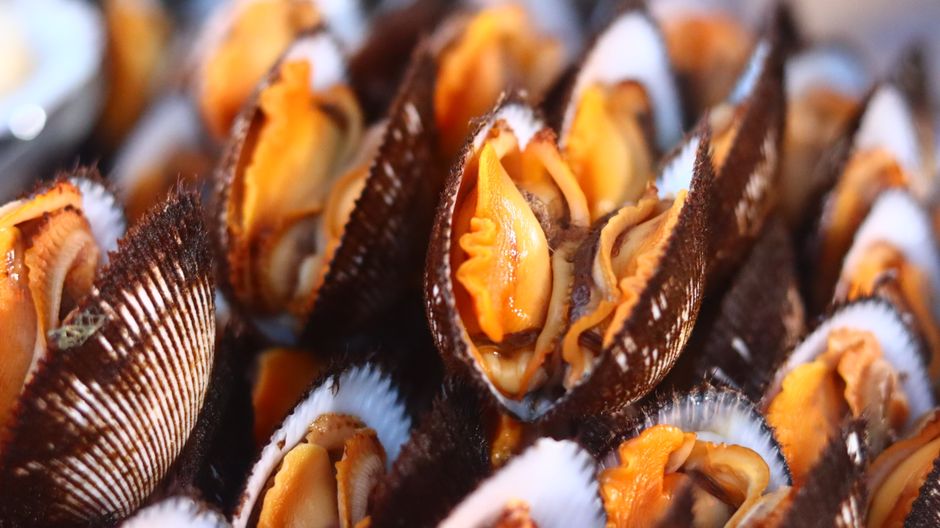
The Department of Forestry, Fisheries and the Environment (DFFE) has confirmed that mussels and oysters from approved production areas in the Saldanha Bay Aquaculture Development Zone are now within regulatory safety limits for paralytic shellfish toxins and may be harvested, marketed and consumed, provided they remain compliant with the official monitoring programme.
What the department reported
The DFFE said monitoring results showed that paralytic shellfish toxin (PST) levels in shellfish from monitored areas inside the Saldanha Bay zone have fallen below South Africa’s regulatory limits. The department’s announcement gives the green light for shellfish from the approved production areas to re-enter the market under the conditions of the official shellfish monitoring and control programme.
Why monitoring remains essential
The department emphasised that continued compliance with the official monitoring programme is required for shellfish to be considered safe for harvesting and consumption. Officials will continue testing shellfish from the monitored production areas and will issue further advice if conditions change or toxin levels rise again.
About paralytic shellfish toxin (PST)
PST refers to a group of naturally occurring toxins that can accumulate in mussels and oysters when these shellfish feed on certain toxic algae. If contaminated shellfish are eaten, the toxins can cause paralytic shellfish poisoning (PSP). Symptoms can include tingling or numbness around the mouth and face, weakness, nausea and, in severe cases, difficulty breathing or paralysis.
The department noted that shellfish themselves are not necessarily harmed by PST, but the toxins accumulate in their tissues. Cooking or freezing contaminated shellfish does not reliably destroy these toxins, which is why the official monitoring and harvesting controls are important for consumer protection.
Advice for consumers
Consumers are advised to ensure that seafood they buy or consume comes from approved and monitored production areas and has been harvested in compliance with the official control programme.
Follow Joburg ETC on Facebook, Twitter, TikTok and Instagram
For more News in Johannesburg, visit joburgetc.com
Source: thesouthafrican.com