News
Suspended Pretoria chief magistrate Desmond Nair pleads not guilty in Bosasa-linked trial
Suspended Pretoria Chief Magistrate Desmond Nair has pleaded not guilty to corruption charges linked to alleged Bosasa-funded security upgrades at his home.
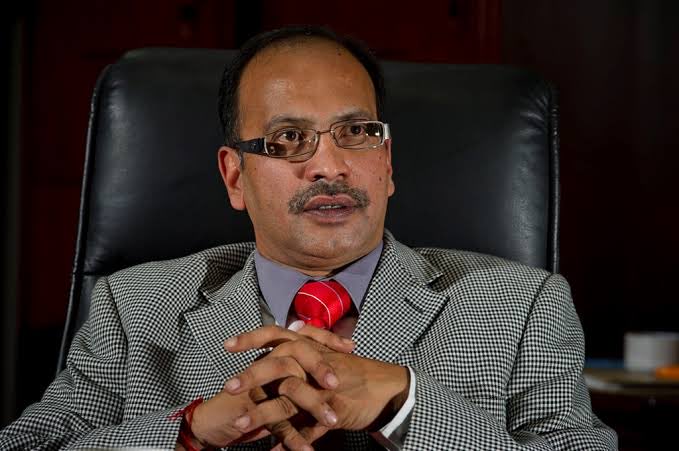
Nair appeared in court on Monday, 26 October 2026. The matter was adjourned to Tuesday, 27 October, for the trial to continue.
Charges linked to Bosasa subsidiary
The case concerns alleged security improvements worth about R200 000 that were installed at Nair’s Pretoria home. The charges are linked to African Global or Global Technology Systems, a Bosasa subsidiary previously known as Sondolo IT.
According to the allegations, the work included an electric fence, an alarm system, perimeter beams and closed-circuit television cameras. The state says the benefit was allegedly offered to Nair, and received by him, in connection with his position as a judicial officer.
“The gratification was allegedly offered and received by Nair in order for him to act in a dishonest or improper manner in his influential position as an officer of the judiciary.”
The statement was made by Investigating Directorate Against Corruption spokesperson Henry Mamothame.
State begins leading evidence
The trial opened with the state calling its first witness. The witness was an employee of a Bosasa subsidiary and gave evidence about the alleged installation of the security systems at Nair’s home.
At this stage, the evidence forms part of the state’s case and the allegations have not been tested to a final verdict. Nair’s not-guilty plea means the prosecution must prove the charges in court, while the defence will have an opportunity to challenge the evidence and present its own case.
In criminal proceedings, the court must assess the reliability and relevance of the evidence before deciding whether the state has established guilt beyond a reasonable doubt. A charge or allegation does not, by itself, amount to a finding of wrongdoing.
Evidence from the state capture inquiry
The allegations against Nair were also raised during the state capture inquiry in 2019. Bosasa employee Richard Le Roux testified that Nair allegedly accepted security installations valued at R200 000 at his Pretoria home.
Le Roux told the inquiry that the work included a full electric fence, closed-circuit television and alarm systems. He also gave evidence about “special projects” that he said he carried out at the direction of various Bosasa directors.
The individuals identified in that evidence included former Bosasa chief executive Gavin Watson, former chief operations officer Angelo Agrizzi, Trevor Mathenjwa, Syvion Dlamini and Papa Leshabane.
Broader Bosasa allegations
Nair is not the only person whose name has been linked to allegations concerning Bosasa-sponsored security systems. The source material identifies several other alleged beneficiaries, including then-environmental affairs minister Nomvula Mokonyane, Mineral Resources and Energy Minister Gwede Mantashe, former South African Airways chair Dudu Myeni, deputy minister of correctional services Thabang Makwetla, ANC MP Vincent Smith and former Passenger Rail Agency of South Africa procurement manager Mbulelo Gingcana.
The allegations formed part of wider scrutiny of Bosasa’s relationships with politically connected individuals and public officials. However, each matter has its own facts, evidence and legal process, and an individual’s appearance in testimony or in reporting about the broader controversy does not by itself establish criminal liability.
Why the case matters
The trial places the alleged use of privately funded benefits alongside questions about the responsibilities of judicial officers. Public officials and members of the judiciary are expected to avoid conduct that could compromise, or appear to compromise, their independence and impartiality.
Security upgrades to a private home can become a corruption issue when prosecutors allege that they were provided as a benefit connected to a person’s official influence. The central question for the court will be whether the state can prove the alleged benefit, the circumstances in which it was provided and the required link to Nair’s official position.
Those issues will be determined through the evidence led in court rather than through the earlier inquiry testimony alone. The continuation of the trial is expected to provide the defence with an opportunity to respond to the state’s case.
Proceedings continue
The matter was scheduled to resume on 27 October 2026. As the trial proceeds, the court will hear further evidence before considering the competing arguments and the legal elements of the corruption charges.
Nair remains presumed innocent unless and until the court finds otherwise.
Follow Joburg ETC on Facebook, Twitter, TikTok and Instagram
For more News in Johannesburg, visit joburgetc.com
Source: citizen.co.za