News
How South Africa’s green ID phase-out will affect bedridden and elderly citizens
South Africa’s move to phase out the green barcoded ID book and replace it with biometric Smart IDs and a digital identity platform raises urgent questions about how bedridden and elderly citizens who cannot travel to Home Affairs offices will be served.
What the government plans
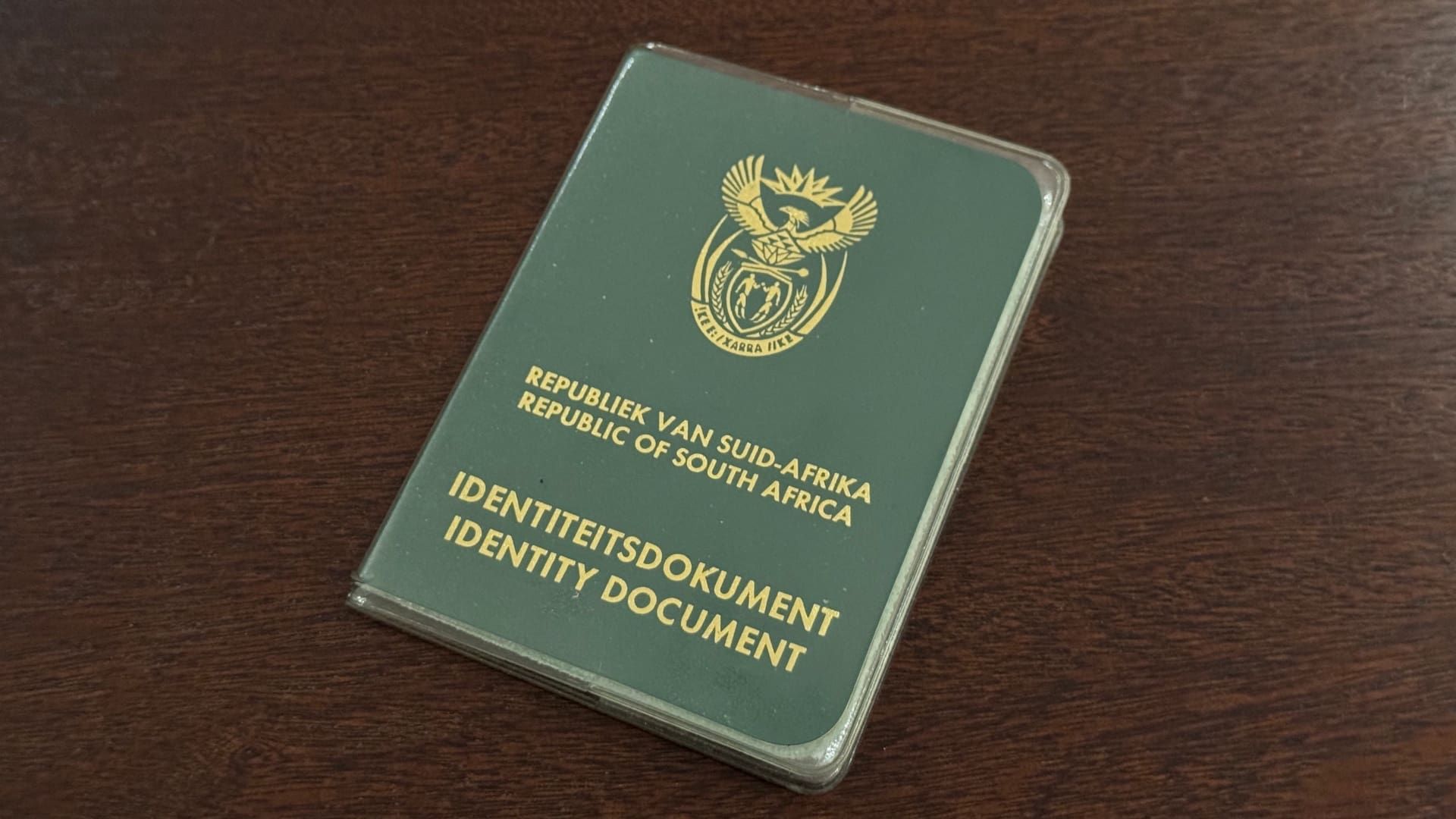
The Department of Home Affairs has confirmed the green ID book is being phased out as part of a broader shift to biometric Smart IDs and, ultimately, a fully digital identity system. Home Affairs Minister Dr Leon Schreiber said the government was “rapidly moving” to eradicate the green ID book.
The department’s long-term plan includes universal Smart ID enrolment and a digital identity platform by 2029, and President Cyril Ramaphosa has indicated a future date will be set after which the green ID book will no longer be recognised. No official cut-off date has been announced.
Access channels and services for vulnerable people
Home Affairs is expanding access channels to replace the green ID book. Plans referenced by the department include partnerships with banks and digital services and the deployment of more than 220 mobile offices across the country.
The department has said it conducts mobile outreach services in some cases for vulnerable groups, including people in hospitals, care facilities and remote communities. These mobile units are equipped with live-capture technology to record fingerprints, photographs and other biometric information required for Smart IDs.
Home Affairs has also indicated a desire to expand “Home Affairs @ home” services, which include digital channels and home-delivery–style systems to reduce the need for citizens to visit offices physically.
Practical challenges for bedridden applicants
A key technical challenge is that Smart IDs rely on biometric verification such as fingerprints and facial recognition. That means officials must physically capture a person’s biometrics using specialised equipment; applicants cannot simply send documents through a relative.
For completely bedridden citizens, Home Affairs officials would need to travel directly to hospitals, nursing homes or private residences using mobile units to capture biometrics.
Who can help arrange visits
Elderly or bedridden individuals are likely to need assistance from family members, caregivers, social workers, clinics, hospitals or old-age homes to arrange mobile Home Affairs visits or special-assistance appointments.
What remains the same for now
Home Affairs has stressed that green ID books are still legal and valid for now. The department has repeatedly said there is no immediate invalidation date and that the green ID book will only be phased out once Smart ID access becomes widely available.
Officials have acknowledged that many South Africans, particularly in rural areas and among older generations, still face barriers to accessing Smart ID services. The department has urged those who cannot travel to contact their nearest Home Affairs office, local councillor or social development office to ask about mobile service availability and special assistance arrangements.
Calls for clearer guidance
Civil society groups and elder-care organisations are expected to press for clearer guidelines as the phase-out accelerates, particularly to protect pensioners who rely on IDs for grants, banking and healthcare.
Home Affairs says the phase-out is part of a move to improve security and convenience because the green ID book remains vulnerable to fraud, identity theft and organised crime.
Follow Joburg ETC on Facebook, Twitter, TikTok and Instagram
For more News in Johannesburg, visit joburgetc.com
Source: iol.co.za