News
Manamela says no minutes taken, phones confiscated at April NSFAS meeting
Higher Education Minister Buti Manamela told MPs a non‑statutory April 13 NSFAS meeting had no minutes and phones were collected; former board members dispute parts of his account.
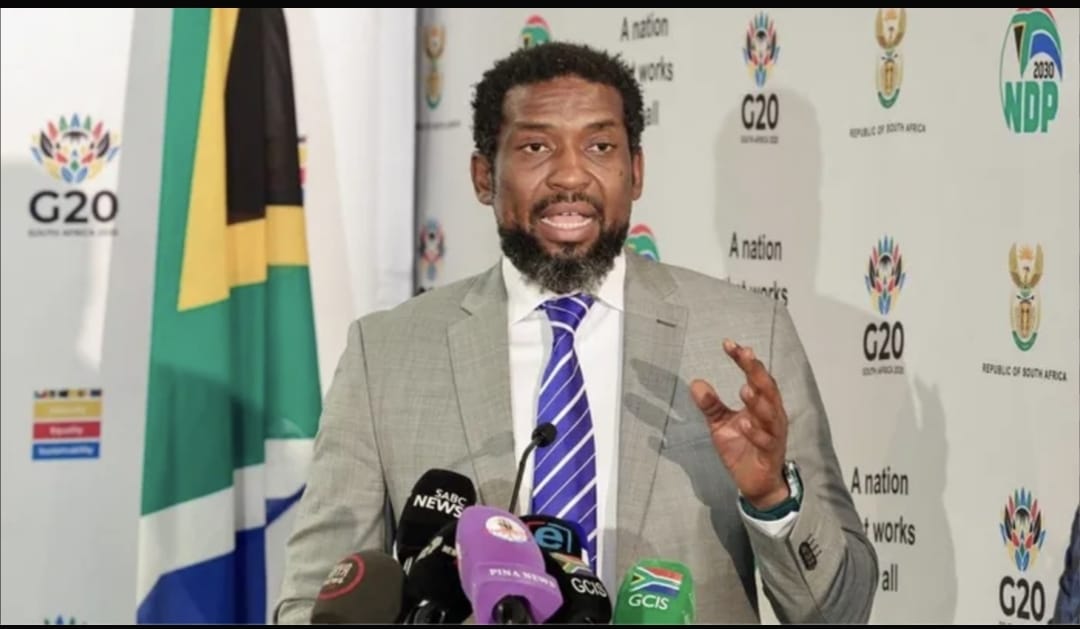
Higher Education Minister Buti Manamela told the Higher Education Portfolio Committee that a meeting with former National Student Financial Aid Scheme (NSFAS) board members on 13 April was held without minutes and that delegates’ cellphones were confiscated and stored in “white envelopes.”
Committee appearance and account of the meeting
Manamela made the disclosure when he appeared before the committee to explain his decision to place NSFAS under administration. He said the engagement was not statutory and that communication about the meeting had been done telephonically by a staff member in his office because of the meeting’s urgency over a weekend.
Asked by EFF MP Sihle Lonzi whether minutes had been taken, Manamela said: “We did not have minutes.”
Why phones were taken, and Manamela’s defence
Manamela said there was nothing untoward about collecting phones and that handing in phones to protect the secrecy of meetings had happened in about 20 prior meetings with the board. “There was nothing sinister,” he said.
He told MPs the meeting on 13 April had been prompted by a briefing from then‑interim chairperson Mugwena Maluleke about the board’s intention to proceed with appointing a CEO without completing required processes. Manamela said he asked for a report on the CEO appointment process and indicated they should not rush to conclude the process.
Board composition and reasons for administration
Manamela said he appointed an administrator on 4 May and that at the time the board had seven members out of the 18 required by the Act. He told the committee it was worrying that the chair, deputy, interim chair and six members resigned in a short space of six months.
He also cited a report from the Government Technical Advisory Centre (GTAC) that, in his words, revealed an organisation whose operations had expanded while audit matters and other issues remained unresolved. He said the action to place NSFAS under administration was taken “in the best interest” and that he believed he had acted within the law.
Disputes from former board members
Former board member Siyanda Mngadi told the committee it was untrue that the board had done nothing on the issues raised in directives, saying they had submitted a comprehensive plan in April and approved several policies. “The minister never responded,” Mngadi said.
Another former member, Richard Ramashia, said the meeting had no agenda, that phones were taken and stored in white, not brown, envelopes, and that some members were not invited. He said Manamela had introduced Karabo Mohale as deputy chairperson, whereas he said only the board could elect that position. Ramashia added that he did not recall phones being confiscated at other meetings and said the meetings were limited to five.
Ramashia also alleged he had been told by a SETA administrator, Lehlogonolo Masoga, that Manamela preferred “a strong potential” for the CEO position from the National School of Government; Manamela denied issuing any instruction not to appoint a CEO.
Mistake acknowledged and final remarks
Manamela acknowledged he had made a mistake in referring to Mohale as deputy chairperson. He insisted he had not instructed the board to act in ways that would undermine their fiduciary duties and said the intervention was a legal and governance measure to protect NSFAS and students, not a political fight with the board.
Context: The former board is challenging the minister’s decision in court.
Source: iol.co.za