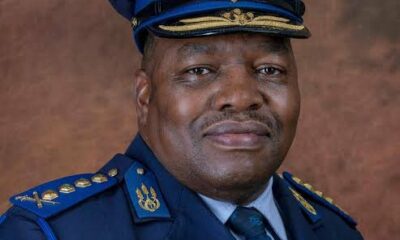
Ramaphosa faces high-stakes decision as SAPS scandal engulfs Police Commissioner Masemola
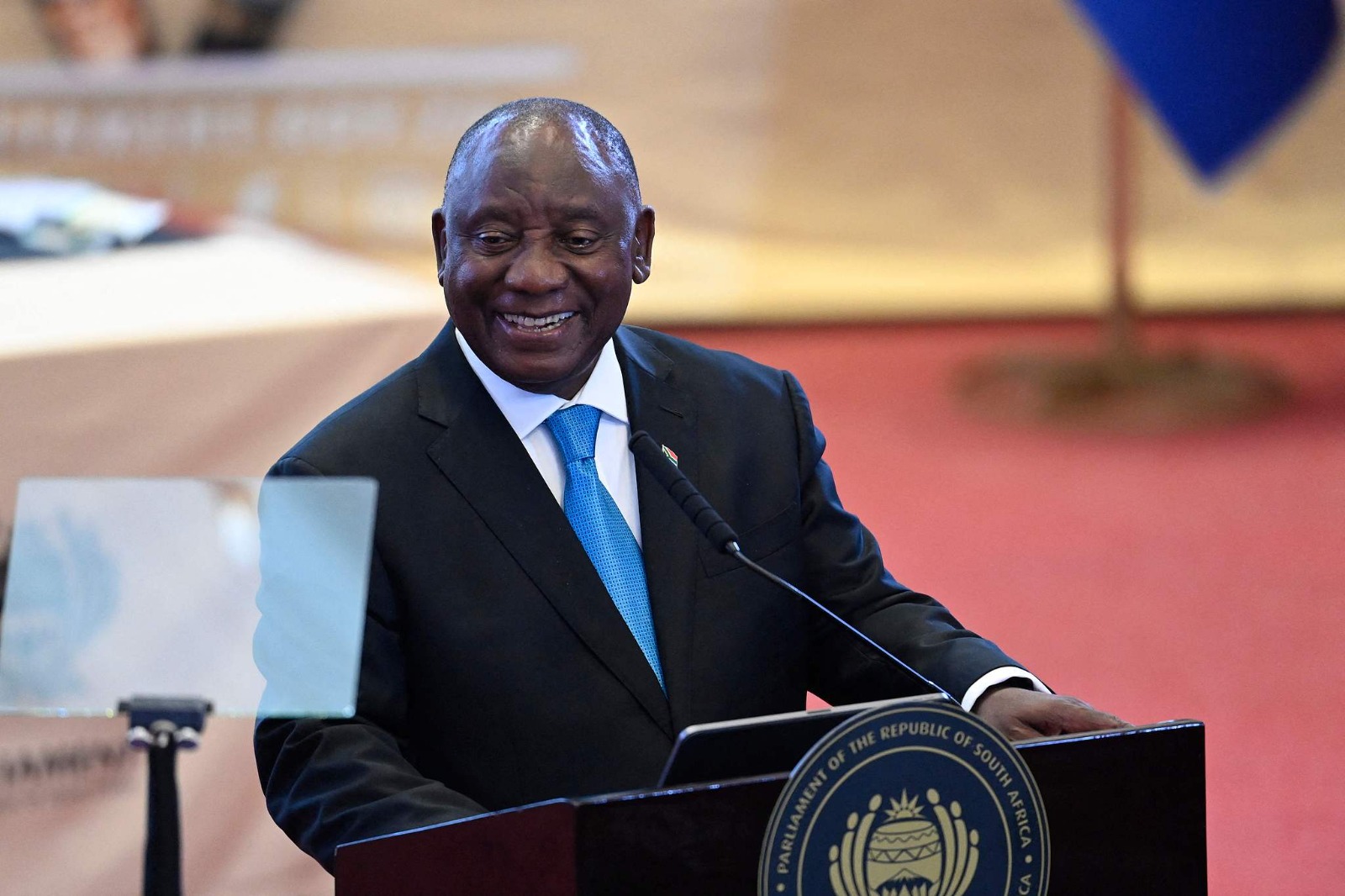
South Africa’s policing leadership is once again under the national spotlight, and this time the pressure sits directly on President Cyril Ramaphosa.
At the centre of the storm is National Police Commissioner Fannie Masemola, who is now facing criminal charges tied to a controversial SAPS tender deal. The case has shaken confidence in the country’s policing structures and forced the Presidency into a familiar but difficult position: decide whether the top cop can remain in office while under investigation.
A presidency under pressure
Ramaphosa is expected to announce a decision soon on Masemola’s future, according to the Presidency. While no timeline has been confirmed, officials say the announcement will come once deliberations are complete.
The decision could lead to Masemola being placed on leave or suspended, with an acting commissioner stepping in. If that happens, South Africa could temporarily find itself with both an acting police commissioner and an acting police minister already in place.
That possibility alone highlights how fragile the leadership structure of the South African Police Service (SAPS) has become.
Court appearance deepens the crisis
Masemola made his first appearance at the Pretoria Magistrates’ Court on 21 April 2026. He faces four charges linked to alleged violations of the Public Finance Management Act.
The charges relate to a R360 million SAPS tender awarded to Medicare 24 Tshwane District, a company linked to businessman Vusimuzi “Cat” Matlala. The contract was reportedly awarded for R228 million under disputed circumstances involving alleged collusion with senior police officials.
Matlala, along with several associates and at least a dozen senior SAPS officers, is already facing charges connected to the same matter.
Masemola is expected back in court on 13 May alongside the other accused.
He has denied wrongdoing, telling journalists outside court: “I did what I was supposed to do. I don’t know why I should be here.”
A police service split in two
The case is unfolding against a backdrop of deep internal division inside SAPS, fuelled by explosive claims from KwaZulu-Natal police commissioner Nhlanhla Mkhwanazi.
Mkhwanazi has alleged that organised criminal networks have infiltrated parts of the justice system, private security, and political structures. His claims have split SAPS into two broad camps:
- Those who support his warnings about cartel infiltration
- Those who believe his claims are politically motivated distractions
Masemola is seen as aligned with Mkhwanazi, having recently approved an extension of his contract.
Political reaction builds pressure
Opposition parties have already weighed in.
Democratic Alliance leader Geordin Hill-Lewis has called for Masemola to be placed on precautionary suspension, arguing that SAPS leadership must be beyond reproach.
His comments reflect growing concern that repeated controversies at the top of SAPS are eroding public trust in law enforcement.
A familiar dilemma for Ramaphosa
This is not the first time Ramaphosa has had to decide the fate of a national police commissioner.
In 2022, former commissioner Khehla Sitole exited the post after tensions with the Presidency, following his own controversy involving cooperation failures in a high-profile investigation.
Masemola was appointed after Sitole’s departure, a move once intended to stabilise SAPS leadership.
Now, just a few years later, the same office is again under a cloud of criminal allegations.
What happens next matters beyond one man
Whatever decision Ramaphosa makes will be more than just about Masemola’s future. It will signal how the state handles senior officials accused of wrongdoing while still in office.
For a country already wrestling with crime, corruption allegations, and weakened trust in policing, the outcome will carry political and public consequences far beyond the courtroom.
At the heart of it all is a simple but difficult question: can the head of the police remain in command while standing in the dock himself?