South Africa’s floods reveal a deeper crisis of neglect, weak planning and climate pressure
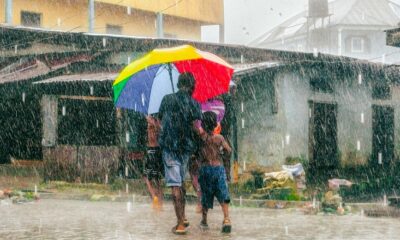
When the rain falls hard in South Africa, it often reveals more than weather damage.
It exposes blocked drains, collapsing roads, poorly planned housing, delayed maintenance and communities left vulnerable long before the first storm cloud arrives.
The latest flooding crisis, which has spread across multiple provinces since late 2025, has once again shown that South Africa is not only battling heavy rain, it is battling years of neglect.
A disaster stretching across provinces
Flood damage linked to La Niña weather patterns has hit wide parts of the country, prompting a national disaster declaration earlier this year.
From Limpopo and Mpumalanga to KwaZulu-Natal, Eastern Cape, North West and now Western Cape, communities have faced washed-out roads, damaged homes and emergency evacuations.
Reports indicated at least 37 lives had been lost by late January, while thousands of households were affected.
That number tells one story. The disruption to everyday life tells another.
For families unable to reach work, children missing school, and residents cleaning mud from homes for the second or third time, flooding is not a headline it is a recurring reality.
Cape Town’s April floods reignite frustration
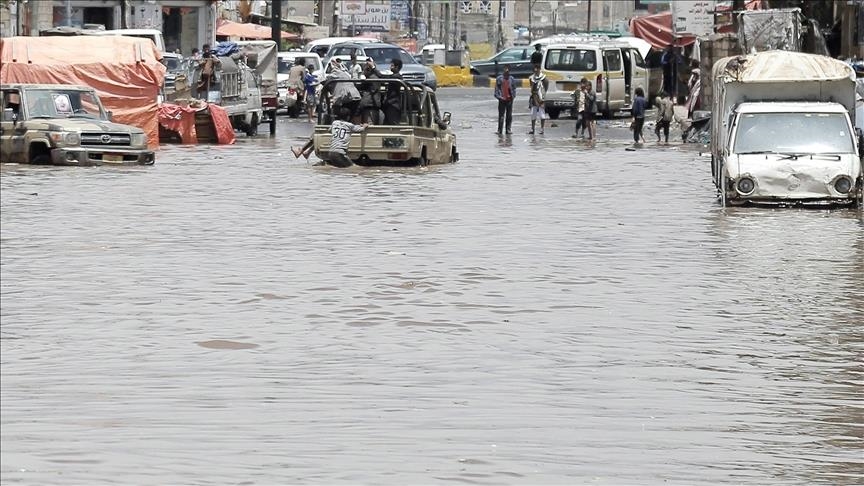
Recent cold fronts between 18 and 20 April left parts of Cape Town under water, with areas including Nyanga, Brown’s Farm, Bellville and Table View heavily affected.
Images shared online showed submerged streets, stranded vehicles and residents wading through dirty water.
Many South Africans responded with a familiar mix of sympathy and anger. Sympathy for affected families. Anger that the same places flood again and again.
In many townships and lower-income areas, people say storms do not create the crisis they expose one already there.
The real issue may be infrastructure, not rain
Xolani Hadebe of Thamsanqa Career Pathways argued that the floods highlight systemic weaknesses in infrastructure and housing systems.
That assessment mirrors what many engineers and urban planners have warned for years: stormwater systems fail when they are not maintained, roads break when repairs are delayed, and informal settlements remain at high risk when safer housing options are too slow to materialise.
South Africans know this pattern well.
Every rainy season brings emergency statements. What communities want is long-term prevention.
Rescue efforts matter, but so does prevention
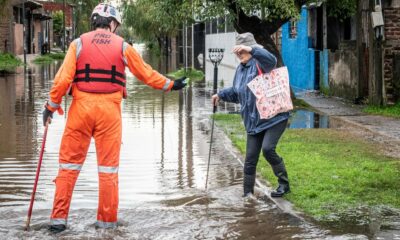
During the January crisis, the South African National Defence Force and South African Police Service reportedly carried out hundreds of rescues.
Emergency response saves lives and deserves recognition.
But disaster specialists often note that rescue boats and relief parcels cannot replace functioning drainage, protected wetlands, stable housing and proper municipal maintenance.
Prevention is quieter than rescue work, but usually far more effective.
Why climate change changes everything
These floods are unfolding in a world where extreme weather is becoming more common.
Climate variability means heavier downpours, sudden storms and more pressure on infrastructure that was already aging.
For South Africa, this creates a double burden:
- Older infrastructure not built for extreme rainfall
- Rapid urban growth placing pressure on land and services
- Poor households often living in flood-prone areas
- Municipal budgets stretched thin
That combination makes each storm more damaging than the last.
A youth jobs solution with long-term value
One proposed response comes from training future building inspectors and technical workers.
Thamsanqa Career Pathways says it is rolling out programmes through 11 universities led by University of Johannesburg, aimed at helping unemployed youth enter infrastructure oversight and compliance roles.
If successful, that could address two national challenges at once: unemployment and poor infrastructure governance.
It is a reminder that flood resilience is not only about concrete and pipes it is also about skills.
What communities are asking for now
Across flood-hit areas, residents are calling for practical solutions:
- Drain clearing before winter storms
- Better emergency warnings
- Upgraded roads and bridges
- Safer housing away from flood plains
- Faster municipal repairs
- Accountability when failures repeat
These are not luxury demands. They are the basics of functioning local government.
South Africa cannot keep reacting
President Cyril Ramaphosa has outlined humanitarian relief and recovery plans, including rehousing and restoring services.
Those steps are necessary.
But South Africa’s flood story will keep repeating unless prevention becomes as urgent as disaster response.
Because the country is not drowning only in rainfall.
It is drowning in delayed maintenance, weak planning and years of problems everyone could already see coming.