News
From personal loss to national fight: Stanley Maphosa leads Gun Free South Africa
Stanley Maphosa, who lost a nephew in the 2020 Diepkloof tavern shooting, became CEO of Gun Free South Africa to tackle firearm violence grounded in community evidence.
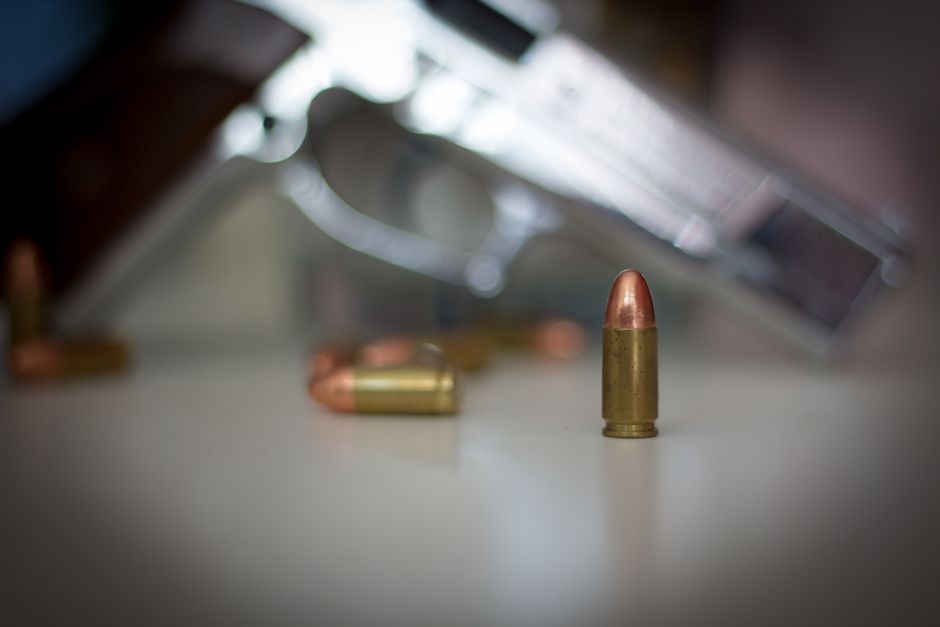
Stanley Maphosa says personal loss and a long career in humanitarian work brought him to the helm of Gun Free South Africa (GFSA). His nephew was killed in the Diepkloof tavern shooting in Soweto in 2020, an experience he says gives him a personal connection to efforts to prevent firearm violence.
Why he took the role
Maphosa joined GFSA in January last year and became its CEO. He describes the organisation’s work as “grounded in evidence and in the experiences of communities across South Africa.” As a part-time pastor and development professional, he said he wanted to bring his experience to an organisation that has spent more than three decades working to prevent gun violence and save lives.
Framing gun violence as a broad social problem
Maphosa frames gun violence as a public safety issue with wide-ranging consequences. He says it intersects with public health, youth development, gender-based violence and community well-being. He has warned of a gap between public outrage and the appetite for the difficult measures he believes are needed to prevent shootings.
He has said:
“South Africa cannot accept preventable shootings as an ordinary part of life.”
He has also described gun violence as a “wicked problem” that cuts across organised crime, extortion, taxi violence, political killings, kidnapping, trafficking and everyday interpersonal conflict.
Prevention priorities
According to Maphosa, preventing fatal incidents tied to firearms requires multiple measures, including effective licensing and renewals, safe storage, tracing and recovery of illegal firearms, prevention of loss and theft, and accountability when systems fail. He has also pointed to funding as a challenge for organisations working to reduce firearm deaths.
Life and career across three countries
Maphosa’s background spans South Africa, Zambia and Zimbabwe. He was born in Pimville, Soweto, to a South African mother from KwaZulu-Natal and a Zimbabwean father who came to South Africa in the 1950s. He grew up in Zimbabwe, began schooling there and later went into exile in Zambia in the late 1970s as part of the Zapu liberation movement, serving as a political commissar while still at school.
After Zimbabwe’s independence he completed a teaching diploma and worked as a primary and high school teacher. He holds a master’s degree in development studies from the University of South Africa and a PhD in social sciences from Fort Hare University. He has studied humanitarian assistance and project management at the Liverpool School of Tropical Medicine, Stellenbosch University and the University of Cape Town.
In 2005 he returned to South Africa and took up South African citizenship by descent.
Humanitarian and academic work
Maphosa spent decades with World Vision International in development programming, monitoring and evaluation, humanitarian response and regional work in southern Africa. He has served as chief programmes officer and interim CEO at the Nelson Mandela Children’s Fund. Before joining GFSA he lectured at the University of Zululand, was a senior research fellow at the University of Johannesburg’s Institute for Pan‑African Thought and Conversation, and worked at the Academy of Science of South Africa on science diplomacy and cooperation across Africa.
Faith, family and spare time
Following his father’s example, Maphosa has been involved in church leadership since age 22. He said,
“I am more than a churchgoer; I am a Christian and faith is central to my life.”
He is married and a father, though he was reluctant to provide further personal details. In his spare time he enjoys reading, writing, family and community activities, and engaging with people from all backgrounds.
Follow Joburg ETC on Facebook, Twitter, TikTok and Instagram
For more News in Johannesburg, visit joburgetc.com
Source: citizen.co.za