Business
Woolworths expands into cafés, restaurants, and school tuck shops in South Africa
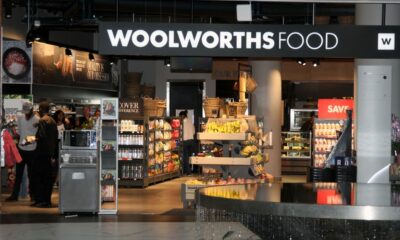
Woolworths has long been the place where South Africans pop in for quality ready meals, fresh produce and the occasional indulgent dessert. Now the retailer is planning to take that experience even further by expanding into cafés, takeaway restaurants and even school tuck shops across the country.
The move signals a bigger shift inside the company. Rather than simply selling food on shelves, Woolworths wants to bring its products closer to where people actually eat them.
A bigger focus on food
According to the retailer, food already makes up the majority of its business. Around 64 percent of Woolworths’ total revenue comes from its food division, making it the clear backbone of the brand in South Africa.
To support this growth, the company has recently expanded capacity at its Midrand food distribution centre. The upgrade is part of a broader strategy to strengthen the supply chain while preparing for new food service ventures.
Chief executive Roy Bagattini says the company sees strong potential in this space. Woolworths is exploring a range of new formats, including cafés, coffee shops, takeaway restaurants and school tuck shops.
For many South Africans, the idea does not feel like a stretch. Woolworths already sells ready-to-eat meals, baked goods and barista-style coffee in some stores. Turning those offerings into dedicated cafés or quick service food spots could feel like a natural next step.
Pressure on profits, but long-term ambition
The expansion is happening during a period of mixed financial performance.
The investment in the new Midrand food distribution centre, combined with higher discounting and price cuts on children’s clothing, has put pressure on the company’s margins. Woolworths reported that net income fell by 33 percent to R1.48 billion.
Despite that drop, the retailer says some of its strategic changes are already paying off.
One of the biggest wins so far has been in kids’ and baby clothing. Woolworths recently lowered prices in that category, and the latest winter range has performed strongly, with sales up 28 percent.
Bagattini says the company deliberately targeted the category because it offers major market share potential. There is also a crossover benefit: parents shopping for children’s clothing often buy food at the same time.
Challenges in Australia
While Woolworths sees opportunities in South Africa, its Australian apparel business has had a tougher period.
Trading slowed sharply toward the end of the first half of the financial year. According to Bagattini, the Australian retail market has become extremely promotion-driven, with heavy discounting across many categories.
Retailers there are holding large amounts of unsold stock, particularly in discretionary items, which has forced companies to rely on frequent sales to move inventory.
What the café strategy could mean for shoppers
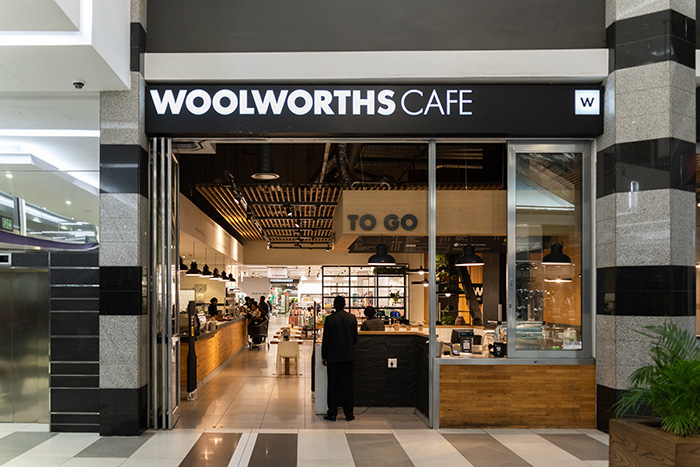
If Woolworths follows through on the café and restaurant plan, shoppers could soon see the brand appearing in new spaces beyond traditional stores.
Think a quick Woolworths coffee stop inside a shopping centre, a takeaway lunch option built around the retailer’s ready-made meals, or even a school tuck shop offering the brand’s well-known snacks and sandwiches.
For South Africans who already associate Woolworths with convenient, premium food, the concept could feel like a logical extension of the brand.
Online, the idea has already sparked curiosity among shoppers who often joke that Woolworths salads, wraps and pastries feel “café quality” anyway.
If the retailer executes the strategy successfully, it could reshape how the brand fits into everyday life. Instead of just being a place where people buy food, Woolworths could increasingly become a place where people sit down and eat it too.
Follow Joburg ETC on Facebook, Twitter, TikT
For more News in Johannesburg, visit joburgetc.com
Source: Daily Investor
Featured Image: Menlyn Park