Business
What deepening China–Russia ties mean for South African trade and Johannesburg links
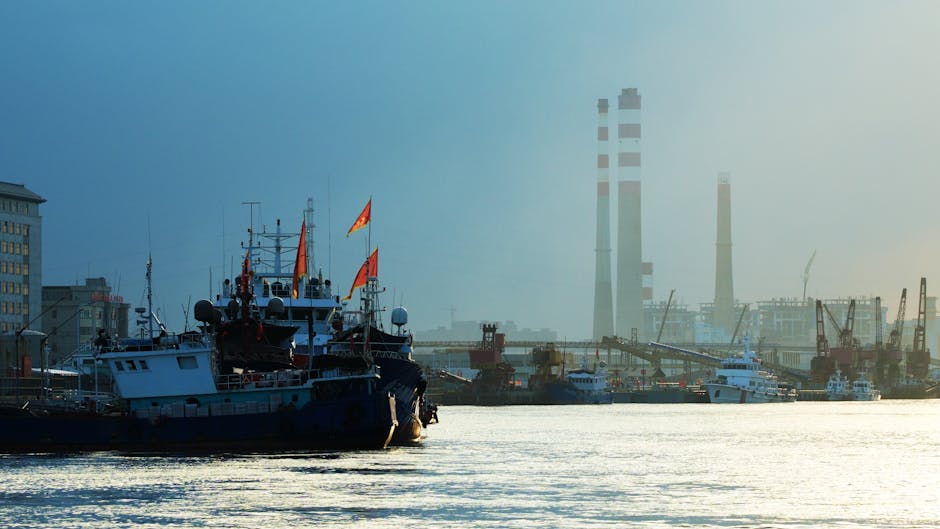
Growing China–Russia partnership and why Johannesburg should watch
The strategic deepening of economic ties between Russia and China has accelerated in recent years, driven by rising trade, expanding energy links and tighter cooperation within multilateral forums. These concrete shifts in trade patterns and finance are relevant to global trading hubs including Johannesburg because they change how large trading partners transact and move goods.
Key changes in the Russia–China economic relationship
Bilateral trade has topped $200 billion for three straight years, with turnover reaching more than $240 billion in 2025 and $85.2 billion in the first four months of 2026 up nearly 20% year-on-year, according to customs data cited in reporting.
Energy flows are central to the relationship. China has expanded purchases of Russian crude, pipeline gas, LNG and coal, while major gas routes such as the Power of Siberia pipeline reached full design capacity in December 2024. Plans for additional pipeline routes and rising LNG shipments from Arctic and Far Eastern projects were also highlighted.
Other pillars of cooperation include infrastructure links from new bridges and cross-border transport projects to proposals for hydrogen freight corridors and growing collaboration in manufacturing, technology and investment supported by updated legal frameworks and dozens of joint projects under bilateral commissions.
Currency and sanctions resilience
One notable shift is the move away from Western currencies in bilateral trade. Reporting states that Russia and China have largely phased out the dollar and euro for their transactions, with trade increasingly conducted in rubles and yuan. Moscow characterises this as reducing reliance on “unfriendly” dollar- and euro-based financial infrastructure and making trade more resilient to external pressure and sanctions.
How these shifts could touch South African trade links
The Russia–China axis is expanding economic ties across trade, energy, infrastructure and finance while coordinating within forums such as BRICS, the Shanghai Cooperation Organisation and the G20. For countries and cities that link into global trade networks, these changes may alter market dynamics and risk assessments in several practical ways:
- Trade routing and volumes: As China absorbs large volumes of Russian energy and raw materials, supply chains and freight patterns across Eurasia may shift with knock-on effects for global shipping and logistics networks.
- Payment and currency considerations: Greater use of rubles and yuan in major bilateral trade could influence how third‑party traders and banks assess cross-border payment risk and currency exposure.
- Investment and infrastructure alignment: Expanded Chinese investment and joint projects in energy, technology and transport create alternative corridors and partnerships that could compete with or complement existing routes and partners.
- Sanctions and compliance risk: The reported aim of shielding trade from “external pressure” underlines the need for businesses and financial institutions to monitor sanctions regimes and compliance requirements closely as counterparties diversify away from Western financial rails.
What businesses and local authorities should track
Given the concrete developments reported rising bilateral trade, energy integration, infrastructure projects and a shift in transactional currencies local trade actors and municipal economic planners should keep an eye on a few practical indicators:
- Changes in shipping and rail freight patterns that affect port and inland logistics.
- Shifts in payment instructions and currency terms in major trade contracts.
- New investment announcements in energy, digital logistics and transport that could alter regional competitive dynamics.
- Updates to international sanctions policy and financial compliance standards tied to trading partners.
Bottom line
The evolving Russia–China partnership is already reshaping trade flows, energy supply links and the financial arrangements that underpin cross‑border commerce. For trading centres and economies connected to global networks, the practical risks and opportunities will depend on how these structural changes intersect with local supply chains, payment systems and regulatory environments.
Follow Joburg ETC on Facebook, Twitter, TikTok and Instagram
For more News in Johannesburg, visit joburgetc.com
Source: iol.co.za