Business
South Africa’s NHI could face up to 20 years of court battles, health minister warns
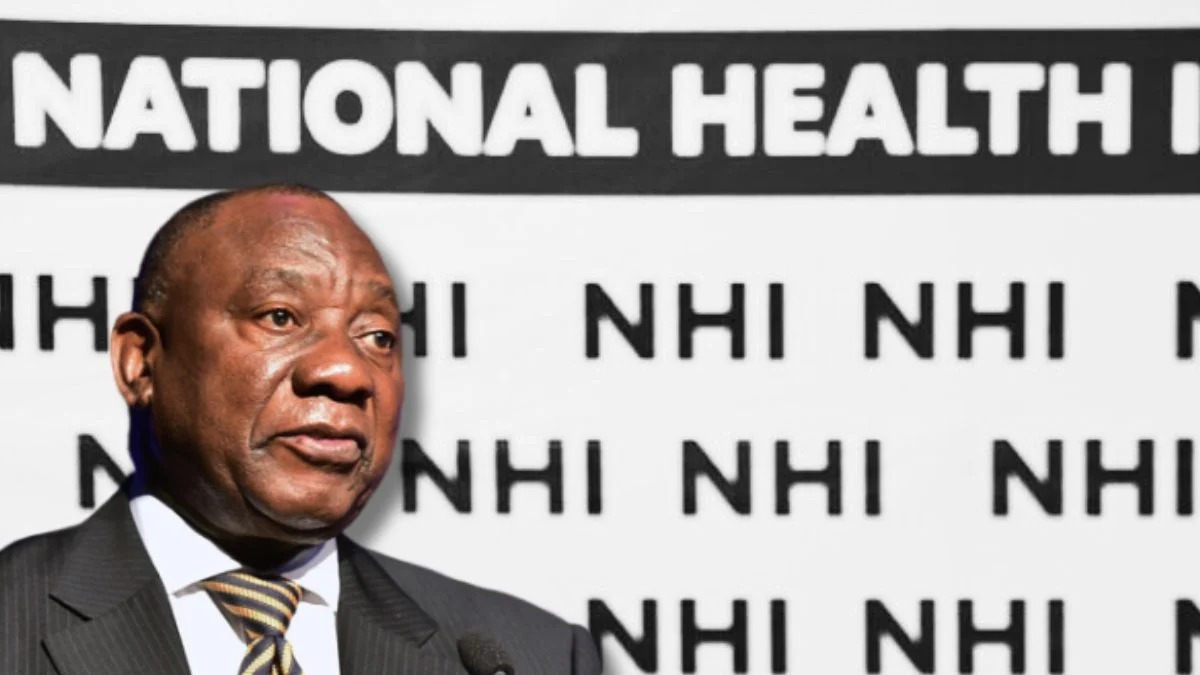
When South Africa’s National Health Insurance was signed into law in 2024, it was billed as one of the biggest healthcare reforms in the country’s history. But less than two years later, the plan is facing a reality many analysts predicted from the start: a long road through the courts.
Health Minister Aaron Motsoaledi has now acknowledged that the legal fight around the NHI could stretch for many years, possibly even decades.
Speaking to Parliament’s Portfolio Committee on Health this week, Motsoaledi revealed that the legislation is already facing 14 legal challenges, with another case expected to be added to the list.
For supporters of the reform, it signals a slow and complicated path ahead. For critics, it confirms fears that the ambitious healthcare overhaul may remain tied up in litigation for years before anything substantial reaches patients.
A key court battle coming in 2026
One of the first major legal tests for the NHI is scheduled for May 2026.
The case will examine whether the National Assembly and the National Council of Provinces followed the correct procedures when passing the NHI Bill before it was sent to President Cyril Ramaphosa for approval.
If the court finds that the legislative process was flawed, the consequences could be significant. The law could be set aside entirely, forcing the government to start parts of the process again. That would likely mean redrafting sections of the legislation and sending it back through Parliament, a process that could take years.
Even if the ruling goes in favour of the government, the legal battles will not disappear. Several other cases have already been paused until this matter is resolved, meaning they could proceed afterwards.
Any unfavourable ruling against challengers could also lead to appeals, potentially extending the litigation even further.
According to Motsoaledi, the entire process could keep the NHI tied up in court for as long as 15 to 20 years.
Predictions that are now becoming reality
The possibility of prolonged legal disputes is not new.
Before the NHI was signed into law, healthcare groups, business organisations, and political parties warned that the legislation would almost certainly face a wave of constitutional challenges.
Even within government, the risk was acknowledged. Former health minister Joe Phaahla warned in 2022 that the policy would likely face what he described as an onslaught of legal challenges.
Those warnings appear to be materialising now.
Political shifts have complicated the picture
The timing of the NHI’s approval has also become part of the wider debate.
President Cyril Ramaphosa signed the bill into law in May 2024, shortly before the national elections. At the time, the African National Congress still held a parliamentary majority.
After the election, however, South Africa moved into a Government of National Unity, with several coalition partners openly opposing the NHI framework.
Although the Act remains law, it has not yet been promulgated or implemented.
Ramaphosa has agreed that no sections of the law will be activated until certain legal challenges are resolved, effectively putting the operational rollout on hold.
Work behind the scenes continues
Despite the pause on implementation, the Department of Health says preparation for the system is still moving ahead.
Motsoaledi confirmed that the government will continue building the foundations needed for a future NHI system. This includes expanding public academic hospitals, developing medical training capacity, and rolling out digital systems to modernise healthcare administration.
Another major focus is the regulation of pricing within the private healthcare sector, a long-standing issue in South Africa’s health landscape.
Funding for these preparations has also been set aside in the latest national budget.
Billions still allocated to NHI groundwork
The 2026 budget allocates roughly R9.3 billion linked to NHI-related work over the next few years.
Around R1.5 billion will go directly to NHI grants for provinces over the next three years. These grants are aimed at preparing provincial health systems for potential implementation.
The funding increases each year slightly, rising from about R475 million in 2026 to over R500 million by 2028.
A larger portion of the budget is classified as indirect NHI funding. More than R7.8 billion will be directed towards broader public healthcare improvements linked to the long-term vision of the scheme.
This includes upgrading health infrastructure, improving primary healthcare services, and modernising systems, particularly through digital healthcare technology.
While these investments support the goals of the NHI, they are not tied to the day-to-day operation of the scheme itself.
A long road ahead for healthcare reform
For many South Africans, the NHI debate has become one of the most polarising policy discussions in recent years.
Supporters believe the reform could eventually create a more equal healthcare system, giving millions of people access to services that are currently out of reach.
Critics argue the country should first fix the existing public healthcare system before attempting such a large overhaul.
On social media and talk radio, the debate remains lively. Some users see the legal challenges as necessary oversight for a massive policy shift. Others worry the endless court battles will simply delay urgently needed improvements in healthcare access.
What now seems increasingly clear is that the NHI’s journey is far from over.
Even in the most optimistic scenario, the country’s biggest healthcare reform may still spend years moving through courtrooms before it fully reaches hospitals and clinics.
Follow Joburg ETC on Facebook, Twitter, TikT
For more News in Johannesburg, visit joburgetc.com
Source: Business Tech
Featured Image: Daily Investor