The numbers tell a story of two Africas. On one side, a continent grappling with rising debt, climbing borrowing costs, and the relentless pressure of maturing obligations. On the other, one country quietly moving in the opposite directionborrowing less, stabilizing its finances, and positioning itself as the exception to a troubling regional trend.
A new report by S&P Global Ratings, released on Thursday, forecasts that African governments will collectively increase commercial borrowing from $140 billion in 2025 to $155 billion in 2026. The rise is driven by a familiar combination: debts coming due and persistent fiscal financing needs that show no sign of easing.
Yet within that broader picture, South Africa stands out. The report projects that the country will record the largest decline in borrowing among African sovereigns in 2026, supported by a narrowing fiscal deficit and increased access to concessional funding. In a continent where debt pressures are mounting, South Africa is quietly charting a different course.
The Numbers Behind the Trend
South Africa’s projected borrowing decline doesn’t mean the country is out of the woods. It remains one of Africa’s three largest sovereign borrowers, alongside Egypt and Morocco, largely due to its relatively advanced financial system and long-standing access to capital markets. But the direction of travel matters.
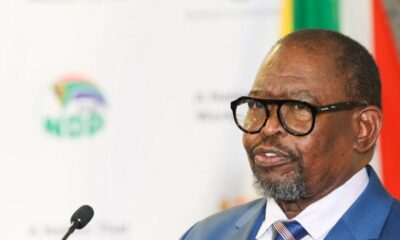
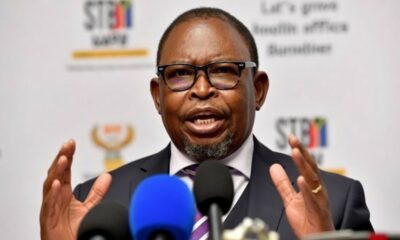
Finance Minister Enoch Godongwana last month offered a significant forecast: South Africa’s debt is expected to peak this year for the first time in 17 years and then enter a sustained downward trajectory. This isn’t wishful thinking. It’s grounded in a disciplined fiscal strategy and structural reforms that have begun to show results.
The country’s maturity profile is also expected to remain stable, with debt repayments sitting just under $6 billion. That suggests a more manageable refinancing burden compared to many of its peers, who face looming repayment walls with fewer options.
What Sets South Africa Apart
According to the S&P report, South Africa benefits from structural advantages that many of its continental neighbours lack. A deep domestic financial sector provides reliable access to funding. An actively traded currency offers flexibility. A well-developed yield curve gives the government sophisticated tools for managing debt.
These strengths provide greater fiscal flexibility and more reliable access to both domestic and international funding. When global conditions tighten, South Africa can still borrow. When conditions ease, it can borrow more cheaply. That’s not true for many smaller African economies, which face tighter borrowing conditions due to limited domestic savings, shallow banking systems, and higher reliance on foreign currency debt.
The contrast is stark. The median annual borrowing per African sovereign is just $1.5 billionfar smaller than global peers. That reflects both the size of these economies and the structural constraints they face in accessing capital markets. South Africa, by comparison, operates in a different league entirely.
The Broader African Picture
Across the continent, total commercial sovereign debt is expected to exceed $1.2 trillion by the end of 2026, equivalent to about 45% of GDP. By global standards, that’s moderate. But the cost of servicing that debt is significantly higher for African countries due to elevated interest rates and a narrower investor base.
While South Africa reduces borrowing, other major economies are moving in the opposite direction. Egypt is expected to lead the increase, with borrowing projected to reach around $50 billion in 2026, driven by a widening fiscal deficit and high refinancing needs. The country faces enormous pressure from its currency, its external debt, and the expectations of international lenders.
Countries such as Senegal and Ghana are expected to rely more heavily on domestic and short-term debt, reflecting tighter access to concessional funding and ongoing fiscal pressures. Ghana is still recovering from its debt restructuring, working to rebuild investor confidence while managing the expectations of its population.
The divergence underscores a broader theme: Africa’s sovereign debt landscape is becoming increasingly uneven. Countries with stronger institutions, deeper financial markets, and credible fiscal frameworks are better positioned to navigate rising global uncertainty. Those without those advantages face a much harder road.
The Global Context
External factors will play a critical role in shaping borrowing conditions in 2026. The ongoing conflict in the Middle East poses a key risk, particularly if it disrupts oil supply routes and drives up fuel prices. S&P warned that this could strain fiscal balances across Africa, especially in countries heavily reliant on fuel imports. Higher oil prices mean higher import bills, wider current account deficits, and greater financing needs.
But there are also supportive dynamics. Improved global liquidity, lower borrowing costs, and a weaker US dollar are expected to ease financing pressures. The report said these conditions could help African governments refinance debt more cheaply and attract foreign investment into local bond markets. For countries that can access international markets, the window may be opening.
For South Africa, these global tailwindscombined with domestic fiscal consolidationcould further strengthen its relative position among emerging markets. The combination of internal discipline and external support creates an opportunity to lock in lower borrowing costs and extend the country’s debt maturity profile.
The Policy Challenge
None of this is guaranteed. Sustaining the projected decline in borrowing requires continued fiscal discipline. That means holding the line on spending, implementing structural reforms, and managing the expectations of a population that has heard promises before.
It also means navigating political pressures. Godongwana’s fiscal strategy has enjoyed support from markets and multilateral institutions, but it faces constant testing from within the governing alliance. Every budget is a negotiation. Every reform is a battle.
The S&P report acknowledges these challenges but notes that South Africa’s institutional strengths provide a buffer. The National Treasury remains one of the most capable economic policy institutions on the continent. The South African Reserve Bank maintains its independence and credibility. These are assets that cannot be easily replicated and should not be taken for granted.
The Regional Implications
South Africa’s relative strength has implications beyond its borders. As the continent’s most industrialized economy and a gateway to regional markets, its stability matters for neighbors who depend on trade, investment, and remittances. A South Africa that borrows less and manages its debt successfully creates space for others to follow.
But the opposite is also true. If South Africa stumbles, if fiscal discipline slips or structural reforms stall, the spillovers would be felt across the region. Investors who lose confidence in South Africa tend to reassess their exposure to the entire continent. The country’s borrowing decline is a positive signal, but it must be sustained to have lasting impact.
The Cautious Optimism
While South Africa’s projected decline in borrowing offers a positive signal, the broader regional picture remains complex. High debt costs, exposure to external shocks, and structural financing constraints continue to weigh on many African economies. The continent’s ability to service its debts depends on growth, and growth depends on investment, and investment depends on confidence.
Even so, the continent’s ability to maintain steady access to fundingsupported by improving global conditionssuggests cautious optimism for 2026. African governments have learned hard lessons from previous debt crises. Many are managing their borrowing more carefully, extending maturities, and diversifying funding sources.
For South Africa, the challenge will be to sustain fiscal discipline and leverage its financial strengths to support growth, while avoiding the debt vulnerabilities that continue to trouble much of the region. The country has the tools, the institutions, and the credibility to do so. The question is whether it has the political will to see it through.
The Road Ahead
As the global economic landscape shifts, South Africa’s position as the continent’s outlier on borrowing offers both opportunity and responsibility. Opportunity to lock in lower costs, extend maturities, and build fiscal space. Responsibility to demonstrate that disciplined management pays off, not just for markets, but for people.
Luthando Kolisi, the former Goodyear worker in Nelson Mandela Bay, doesn’t think about S&P ratings or fiscal deficits. He thinks about work, about hope, about whether his city will survive the loss of its factories. Macroeconomic stability matters because it creates the conditions for investment, for jobs, for the kind of growth that reaches people like him.
South Africa’s declining borrowing is a positive sign. But it’s only meaningful if it translates into something realinto factories that stay open, into jobs that provide dignity, into a future that offers more than just statistical improvement. The numbers matter. But so does the story behind them.